
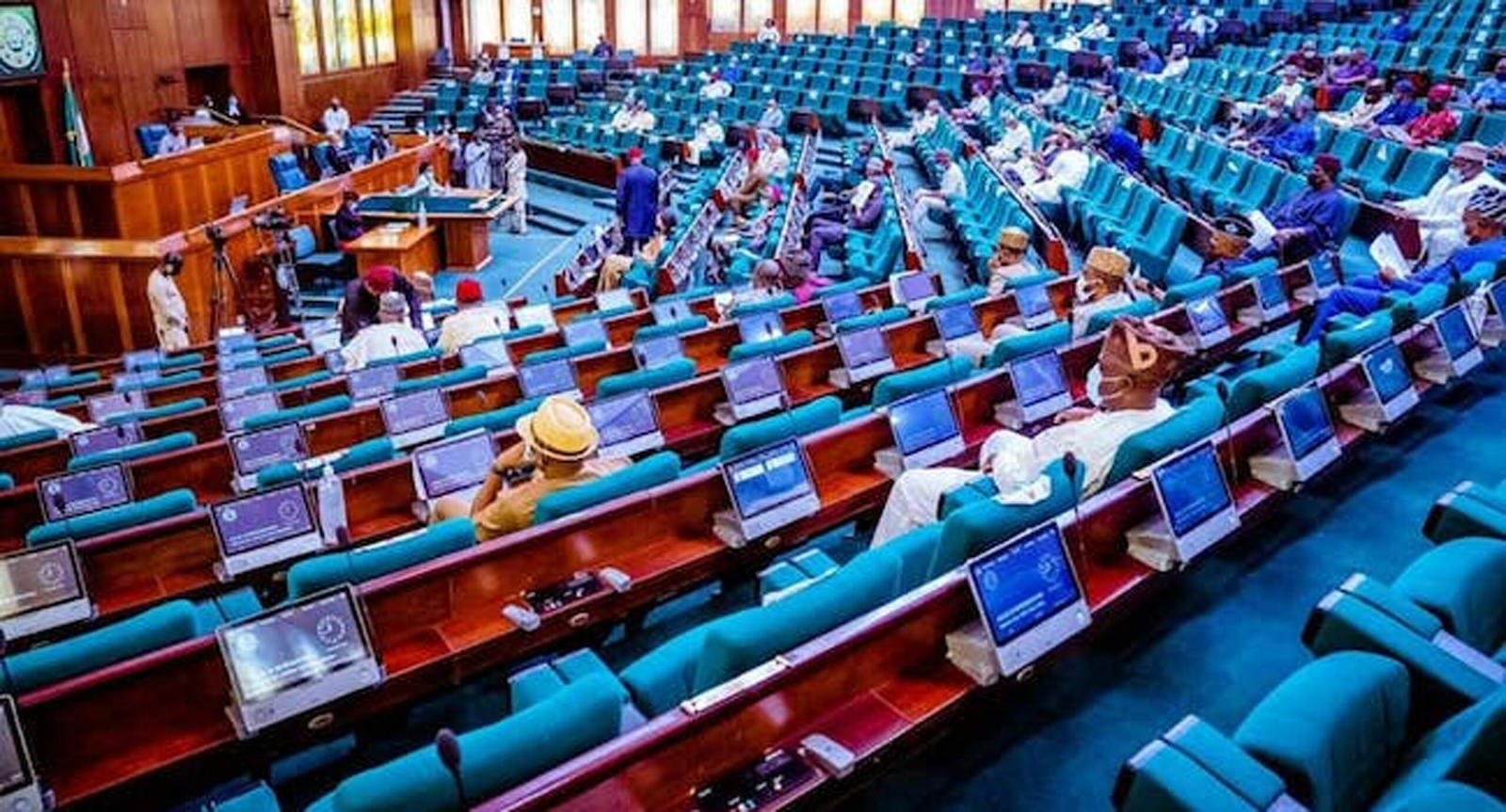
National Assembly
By Gabriel Ewepu
ABUJA – AS the National Assembly resumes legislative activities for the 2026 session, the Civil Society Legislative Advocacy Centre, CISLAC, has urged the 10th National Assembly to refocus on governance, accountability, and critical reforms, warning against the risks of premature electioneering ahead of the 2027 General Elections.
In a statement issued on Monday, CISLAC’s Executive Director, Auwal Rafsanjani, described 2026 as a pivotal year for both the Tinubu-led administration and the current legislature, noting that Nigerians now expect concrete outcomes from policies and programmes introduced since 2023.
Rafsanjani said that while citizens had shown patience in the early phase of the administration—often attributing socio-economic and democratic challenges to the transition period of a new government—2026 represents a stage of maturity when policies should begin to deliver measurable benefits.
He said: “While citizens have shown patience in the early phase of this administration, often attributing prevailing socio-economic and democratic challenges to teething problems of a new government, 2026 naturally marks a period of maturity.
“This is the stage at which policies must begin to deliver visible and measurable benefits to Nigerians, and the role of the National Assembly in achieving this cannot be overstated.”
He also stressed that the role of the National Assembly in ensuring such outcomes is critical.
CISLAC expressed concern that the approach of the 2027 elections could once again lead to declining legislative productivity, a trend historically associated with heightened political activities. The organisation warned that public anxiety could worsen if plans to conduct the general elections as early as November 2026 are pursued.
“Nigerians are worried and rightly so that governance may once again be sacrificed on the altar of politicking and electioneering.
“At a time when the country is grappling with economic hardship, worsening insecurity, rising public debt, governance deficits, and declining public trust in institutions, Nigeria cannot afford a distracted or compromised legislature”, he said.
According to Rafsanjani, Nigerians fear that governance may be sacrificed to politicking at a time when the country is facing severe economic hardship, worsening insecurity, rising public debt, governance deficits, and declining public trust in public institutions.
CISLAC noted that these challenges require a fully functional, responsive, and accountable National Assembly, rather than one perceived as politically distracted, frequently absent, or merely endorsing executive actions.
“Nigerians elected lawmakers to legislate and provide oversight, not to abandon governance long before the official campaign period.
“The legislature is the backbone of any democratic system, and in 2026, the National Assembly must rise to this responsibility with integrity, discipline, and a clear commitment to the public interest”, he added.
Meanwhile, the organisation outlined several priority areas for lawmakers in the 2026 legislative year. It called on members to demonstrate commitment to plenary sittings, committee work, and oversight functions, cautioning against frequent absences and prolonged recesses driven by political ambitions.
CISLAC also urged the National Assembly to fast-track critical legislative reforms, particularly in the areas of electoral, economic, security, and governance legislation. Drawing lessons from the 2023 general elections, the group identified electoral reform as a core public demand that should not be delayed.
In addition, CISLAC emphasised the need to strengthen legislative oversight to enhance transparency and accountability, especially in budget implementation, public procurement, and the management of public funds. Rafsanjani warned that failure in this regard would further reinforce public perception of the legislature as a rubber-stamp institution.
The organisation further cautioned the National Assembly against becoming an early casualty of the 2027 election cycle, stressing that lawmakers were elected to legislate and provide oversight, not to abandon governance long before the official campaign period.
Rafsanjani described the legislature as the backbone of any democratic system and said that in 2026, the National Assembly must demonstrate integrity, discipline, and a clear commitment to the public interest.
CISLAC reaffirmed its readiness to engage constructively with the National Assembly and other stakeholders to advance reforms aimed at strengthening democracy, accountability, and good governance in Nigeria.
Disclaimer
Comments expressed here do not reflect the opinions of Vanguard newspapers or any employee thereof.