
By Chioma Obinna
Global efforts to eliminate malaria will fail unless Nigeria succeeds in controlling the disease within its borders, scientists at the Nigerian Institute of Medical Research, NIMR, have warned.
The researchers warned that Nigeria’s overwhelming share of the global malaria burden compounded by emerging drug and insecticide resistance and weakening disease surveillance makes the country central to the success or failure of worldwide elimination efforts.
Nigeria carries the largest absolute malaria burden in the world, accounting for about 39 per cent of cases among children under five and between 25 and 31 per cent of cases and deaths in other age groups. Up to 97 per cent of Nigerians are exposed to malaria, making the country the single most important determinant of whether global eradication targets can be achieved.
The Director of Research and Head of NIMR’s Malaria Research Group, Dr Adeola Olukosi while addressing journalists during the December Media Chat in Lagos, said: “Malaria is the most ubiquitous public health problem in Nigeria. If you do not address malaria in Nigeria, you cannot complete the global malaria elimination agenda.”
Olukosi described malaria in Nigeria as unusually lethal and persistent, driven by intense transmission, favourable environmental conditions and biological adaptation.
“This is the most fulminant form of malaria in sub-Saharan Africa, and it kills very fast, especially among children and other vulnerable groups,” she said.
She said malaria transmission in Nigeria is highly heterogeneous, with year-round, high-intensity transmission in the south and forest zones and seasonal epidemics in the Sahelian north, a complexity that makes control and elimination particularly difficult.
‘It has been with us for so long that we have normalised the deaths. But if malaria were an aircraft crash, it would be crashing every second.”
Central to Nigeria’s role in global malaria control is drug resistance surveillance.
Olukosi warned that the world has very few effective malaria medicines left. “There are very few drugs in the arsenal. Once efficacy drops below 95 per cent, national policy has to change.”
She explained that Nigeria currently relies on artemisinin-based combination therapies, monitored every two years across 14 sentinel sites nationwide in collaboration with the National Malaria Elimination Programme (NMEP).
These therapeutic efficacy studies determine which drugs remain effective and guide national treatment policy.
Olukosi said recent results show the drugs are still working, but resistance already detected in East Asia poses a serious threat.
“Resistance usually moves from East Asia into Africa. We must stay ahead of it,” she said.
She said beyond drugs, Nigeria is also confronting rising insecticide resistance among malaria vectors. Olukosi said long-lasting insecticide-treated nets are no longer produced with pyrethroids alone because resistance is widespread and complex.
She disclosed that NIMR confirmed the presence of Anopheles stephensi, an invasive mosquito species originating from Southeast Asia, in Nigeria through molecular surveillance.
The species, she said, thrives in urban environments, survives extreme heat and resists multiple insecticides.
“Wherever Anopheles stephensi is found, malaria control becomes much more difficult,” she said.
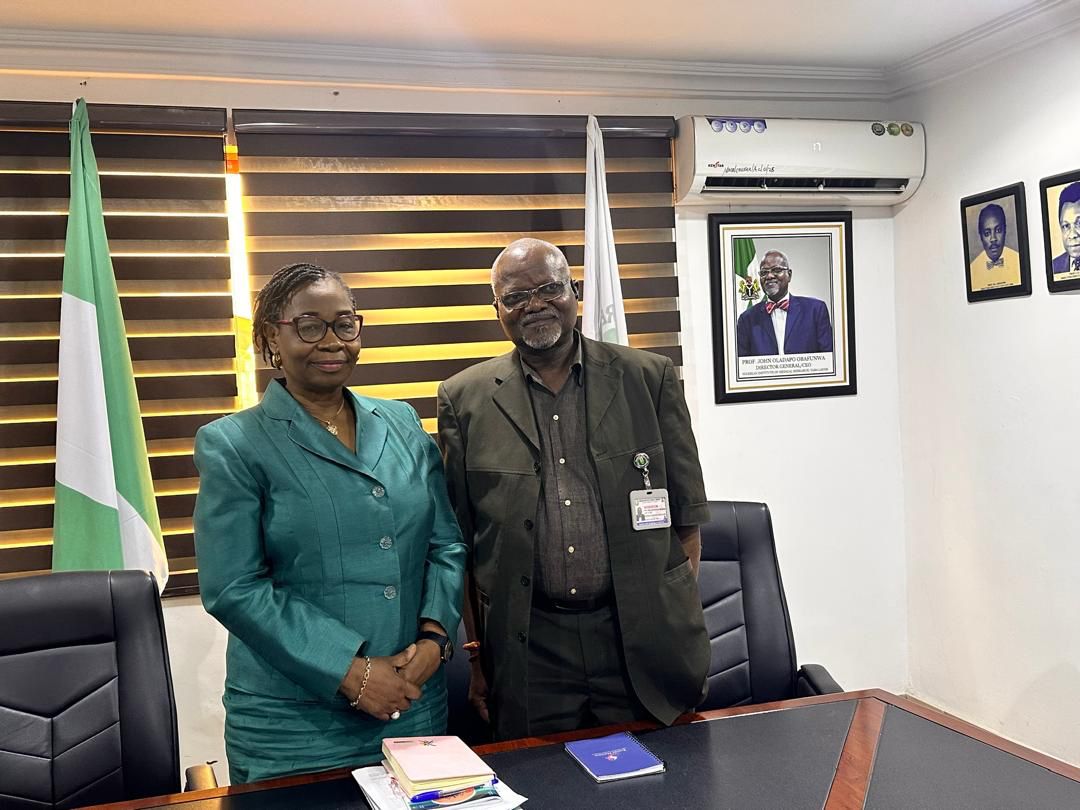
Speaking, the Director General of NIMR, Prof John Obafunwa, said Nigeria’s population size partly explains its dominant share of Africa’s malaria cases but stressed that the implications go far beyond statistics.
“There is no doubt that we have a big problem on our hands,” he said. “When Nigeria struggles with malaria, it affects the entire continent.”
Obafunwa cautioned against overconfidence in reported progress in some states, including Lagos, noting that malaria prevalence varies widely even within the same state due to differences in environment, housing and access to healthcare. “Malaria does not recognise boundaries. People move, vectors move, parasites move.”
The researchers warned that dwindling funding threatens the surveillance systems that underpin malaria control. Reduced resources have forced a shift from monthly to quarterly field monitoring at sentinel sites, increasing the risk that resistance and new vectors could spread undetected.
They argued that Nigeria must take ownership of the malaria response through sustained domestic investment, stronger political commitment and closer collaboration with communities and the media. “Whoever funds the response shapes the solution. We need to own the problem if we want to solve it.”
The NIMR scientists said eliminating malaria worldwide is inseparable from eliminating it in Nigeria.
“Malaria is everybody’s problem. And if Nigeria gets it right, the global picture changes.”
Disclaimer
Comments expressed here do not reflect the opinions of Vanguard newspapers or any employee thereof.