
By Chioma Obinna
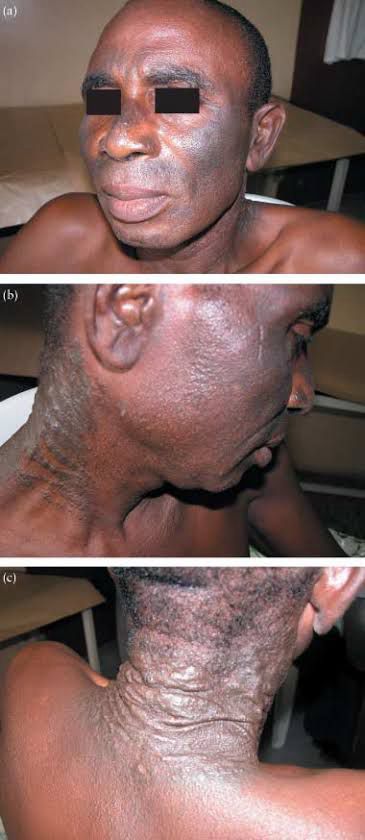
With skin-bleaching rates in Nigeria reaching some of the highest levels globally, dermatologists are warning that dangerous creams, homemade mixtures and so-called “organic” products are fueling a silent health crisis that is now affecting even infants.
According to them, there is no safe bleaching cream. Dermatologists warned that products marketed as toning, glowing, organic, or herbal often contain hidden steroids, hydroquinone, mercury, or other harmful agents. If a cream lightens your skin quickly, it is damaging it.
Bleaching damages the skin’s natural defence system
The skin protects the body from infections, sunlight, toxins, and water loss. Bleaching thins and weakens this barrier, making people prone to wounds, burns, dark patches, and chronic infections.
Fast results mean dangerous chemicals
Any product that changes your complexion in days or weeks is likely unsafe. Dermatologists say real skin treatment takes time; quick lightening is a red flag.
Children should never use lightening products
Doctors are seeing infants with adult-like skin changes because steroid creams are mixed into baby lotions. This can cause organ damage, hormone imbalance, and lifelong skin problems.
Bleaching increases the risk of skin cancer
Melanin protects the skin from ultraviolet radiation. When bleaching reduces melanin, the DNA becomes vulnerable, raising the risk of skin cancer and severe sunburn.
“Organic” labels are often misleading
Many so-called organic creams are mixed in unregulated home labs. The ingredients are unknown, untested, and often harmful. True organic skincare does not lighten the skin.
Bleaching accelerates aging
Nigeria’s natural skin ages slower than Caucasian skin. But once you start bleaching, wrinkles, sagging, and skin fragility appear much earlier.
Check your products — or stop entirely
Avoid creams that contain:Clobetasol, Betamethasone, Hydroquinone, Mercury or “Hg”, and
triple-action mixtures.
If the label is vague or handwritten, avoid it completely.
Healthy skincare is simple
Dermatologists recommend sunscreen, gentle moisturizers, hydration, good sleep, and balanced diets. These maintain your natural complexion safely.
See a dermatologist for skin concerns
Acne, pigmentation, eczema, and rashes should be treated professionally not with bleaching mixtures or over-the-counter steroids.
Disclaimer
Comments expressed here do not reflect the opinions of Vanguard newspapers or any employee thereof.