
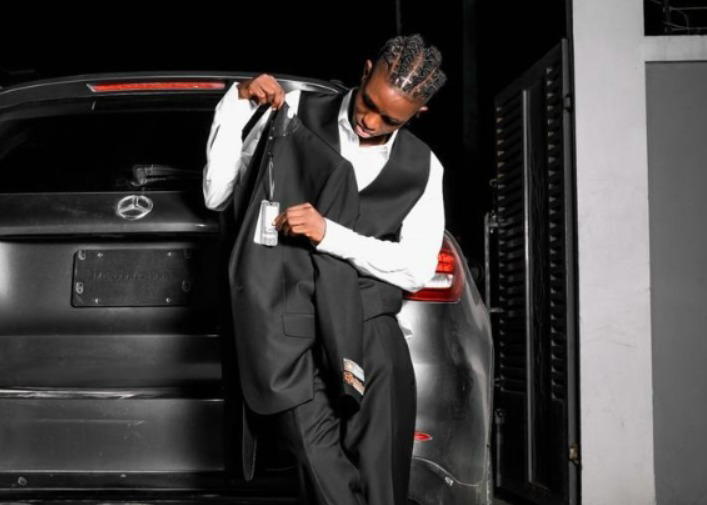
Nigerian TikTok influencer Smart BM, known off platform as Aina Precious Ayomide, has become the centre of a growing online debate after comments made during a joint livestream with fellow TikTok star and model Sandra Benede.
Smart BM, who began his TikTok journey in 2024 and has built an audience through entertainment and lifestyle content, told viewers that he “does not repeat clothes,” a statement that quickly circulated across social media and prompted sharp divisions among followers and other creators.
Viewers began revisiting his previous videos, with some concluding that he indeed appeared in different outfits throughout his content, while others accused him of flaunting a lifestyle that could alienate audiences during a period of economic strain in Nigeria.
Reactions to the livestream varied widely. One viewer posting under the username @LexMediaReview criticised the comment, saying, “Nobody is asking creators to hide their lives, but speaking like this can provoke people who are struggling right now.”
Another TikTok user, @Tosin_Views, defended him, adding, “It’s not that deep — some influencers invest heavily in their appearance, and that’s part of their brand.” Among creators, responses also reflected broader concerns about how personal remarks can shape public perception. Lagos-based fashion analyst Kenny Adedeji noted, “The sensitivity isn’t about wardrobe choices; it’s about how statements of class or lifestyle trigger debates in online communities.” Content creator Mariam Kazeem echoed this sentiment, saying, “This is a reminder of how quickly casual comments can escalate into online conflict.”
The controversy comes in the wake of other difficulties Smart BM has faced within the digital creator space, including multiple account bans — claiming he had been banned nine times — which he has previously described as one of the major obstacles in his journey. His experience reflects a wider pattern among Nigerian influencers, many of whom report challenges related to platform moderation, online scrutiny and the pressure to maintain a consistent public image.
Analysts say the incident highlights the fragile balance creators navigate between personal expression and audience expectations, especially in a country where social media has become a prominent career pathway for young people.
Despite the backlash, discussions continue across TikTok and other platforms, with users debating the broader implications of lifestyle presentation and authenticity in influencer culture. While the issue may appear minor on the surface, it has opened wider conversations about the realities of content creation, the pressures faced by emerging influencers and the growing sensitivity around public display of wealth online. For Smart BM, the episode underscores both the influence and the vulnerability that come with rising visibility in Nigeria’s rapidly evolving digital landscape.
Disclaimer
Comments expressed here do not reflect the opinions of Vanguard newspapers or any employee thereof.