
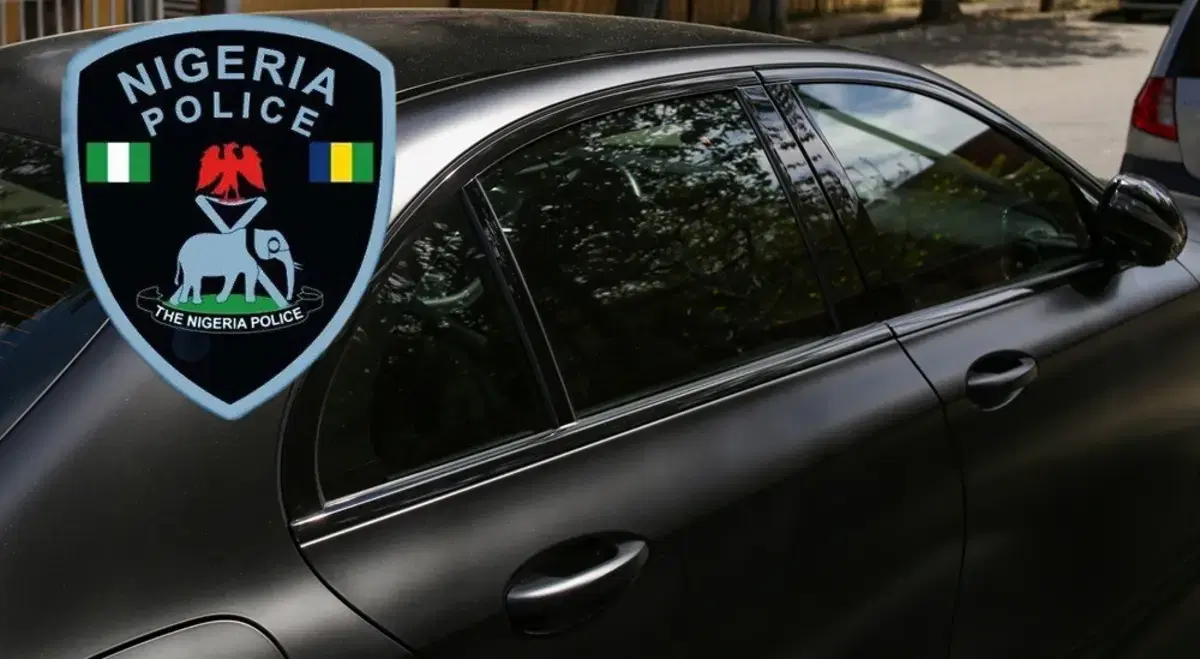
File image.
The revelation recently by the Nigeria Police Force Public Relations Officer, CSP Benjamin Hundeyin, that motorists would be required from January 2, 2026, to obtain official permits before using tinted window glass has once again ignited public controversy. The announcement followed the police’s earlier suspension of the policy in October.
According to Hundeyin, the decision was informed by a disturbing rise in criminal activities allegedly perpetrated with the aid of vehicles fitted with unauthorised tinted glass. That the police justify their decision on the grounds of rising crime is not, in itself, objectionable. Public safety is a legitimate concern. However, what is unacceptable is the unilateral enforcement of a policy that is already the subject of active litigation.
The Nigerian Bar Association, NBA, has rightly described the decision as an affront to the authority of the courts. With two pending suits before the Federal High Court, one of which explicitly directs parties to maintain the status quo, the police should know better than to act as both accuser and judge in their own cause. Law enforcement agencies are expected to be the foremost defenders of legality, not its most convenient violators. When the police appear willing to sidestep the courts, they weaken the very foundation of constitutional democracy they are sworn to protect.
For many Nigerians already battered by the current economic hardship, the enforcement of the Motor Vehicles (Prohibition of Tinted Glass) Act of 1991, an archaic law enacted during military rule, appears less like a security measure and more like an avenue for exploitation. Nigerians are already stretched thin by inflation, fuel price hikes, and collapsing purchasing power. To impose a yearly renewable permit regime, without empirical evidence that tinted vehicles are a major driver of crime, smacks less of security reform and more of institutionalised exploitation.
The perception that this policy will become another tool for harassment and extortion is not unfounded. Nigeria’s roads are already littered with checkpoints where citizens are routinely intimidated. Turning the police into a de facto revenue-generating agency, especially through a permit system of questionable constitutional backing, only deepens public cynicism. The unanswered question of who controls the expected revenue, and how it aligns with the Treasury Single Account framework, further fuels suspicion.
If tinted glass genuinely poses a significant security risk, the appropriate path is clear: legislative reform through the National Assembly, supported by data, debate, and democratic legitimacy. Anything short of this is policy by fiat. This dispute is bigger than tinted windows. It is a litmus test for Nigeria’s commitment to due process, judicial supremacy, and accountable governance.
The police must pause, respect the courts, and resist the temptation of short-term enforcement gains that could cause long-term damage to institutional credibility. Nigeria does not need more coercion disguised as regulation. It needs clarity, consistency, and a renewed respect for the rule of law. Public safety and civil liberties are not mutually exclusive-but achieving both requires restraint, transparency, and democratic discipline.
Disclaimer
Comments expressed here do not reflect the opinions of Vanguard newspapers or any employee thereof.