
From last week continues the narrative on the various suggestions made by LinkedIn on resolving community conflicts with reference to the lingering crisis in Benue-Plateau.
The fourth step to resolving a community conflict is to negotiate and agree on a solution or a plan of action. You need to evaluate and compare the options generated in the previous step, and select the ones that are most feasible, acceptable, and beneficial for all parties. You should also negotiate and compromise on the details, roles, responsibilities, and resources involved in implementing the solution or plan. You can use strategies such as ranking, rating, or voting to choose and prioritize options.
The fifth step to resolving a community conflict is to implement and monitor the solution or plan agreed upon in the previous step. You need to execute the actions, tasks, and activities required to achieve the desired outcomes, and monitor the progress, results, and impacts of the solution or plan. You should also communicate and coordinate with the parties involved, and provide feedback, support, and recognition. You can use tools such as action plans, timelines, or indicators to implement and monitor the solution or plan.
The sixth and final step to resolving a community conflict is to evaluate and learn from the experience. You need to assess the effectiveness, efficiency, and sustainability of the solution or plan implemented in the previous step, and identify the strengths, weaknesses, opportunities, and challenges encountered along the way. You should also reflect on the lessons learned, best practices, and areas for improvement for future conflicts.
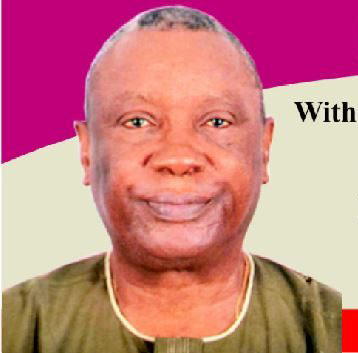
On June 17, this year, the Tor Tiv V, Professor James Ortese Iorzua Ayatse (69), from Kwande Local Government Area of Benue State, the Paramount Ruler/King of Tiv Nation, told President Bola Tinubu that the killings in Benue State are not clashes between herders and farmers, but a planned attack aimed at taking over their land.
Speaking at a meeting with President Tinubu and stakeholders in Makurdi, the traditional ruler said many people had misunderstood the crisis and wrongly advised Benue citizens to stay calm and live peacefully with their neighbours.
Professor Ayatse said: “We do have grave concerns about the misinformation and misrepresentation of the security crisis in Benue State. Your Excellency, it’s not herders-farmers clashes, it’s not communal clashes, it’s not reprisal attacks or skirmishes.”
He described the violence as a “calculated, well-planned, full-scale genocidal invasion and land-grabbing campaign” by herder terrorists and bandits that has lasted for decades.
He added: “Wrong diagnosis will always lead to wrong treatment… We are dealing with something far more sinister than we think. It’s not about learning to live with your neighbours; it is dealing with a war.”
The view of the Tor Tiv was echoed by another group who claimed that they are not Northerners. According to Tivzualumun, the misconception that the Tiv people and other minority tribes of the Middle Belt belong to “the North” was deliberately created by the British colonial government in conspiracy with Northern elites. This was done after the Tiv and other tribes of the Middle Belt united against the Europeans during slavery and also brought an end to the Islamic Jihad.
The Europeans never succeeded in forcefully entering the region now called the Middle Belt (or Central Nigeria). Instead, they wrongly tagged it as “North Central”, against the will of the people who inhabited the area. The Tiv people arrived in present-day Cameroon and Nigeria (Karagbe) around 6,000 BC, settling on both sides of Ifi i Karagbe (the Benue and Niger Rivers).
*Eric Teniola, a former director at the Presidency, wrote from Lagos.
Disclaimer
Comments expressed here do not reflect the opinions of Vanguard newspapers or any employee thereof.