
Integration Toolkit and Strategy
By Nnasom David
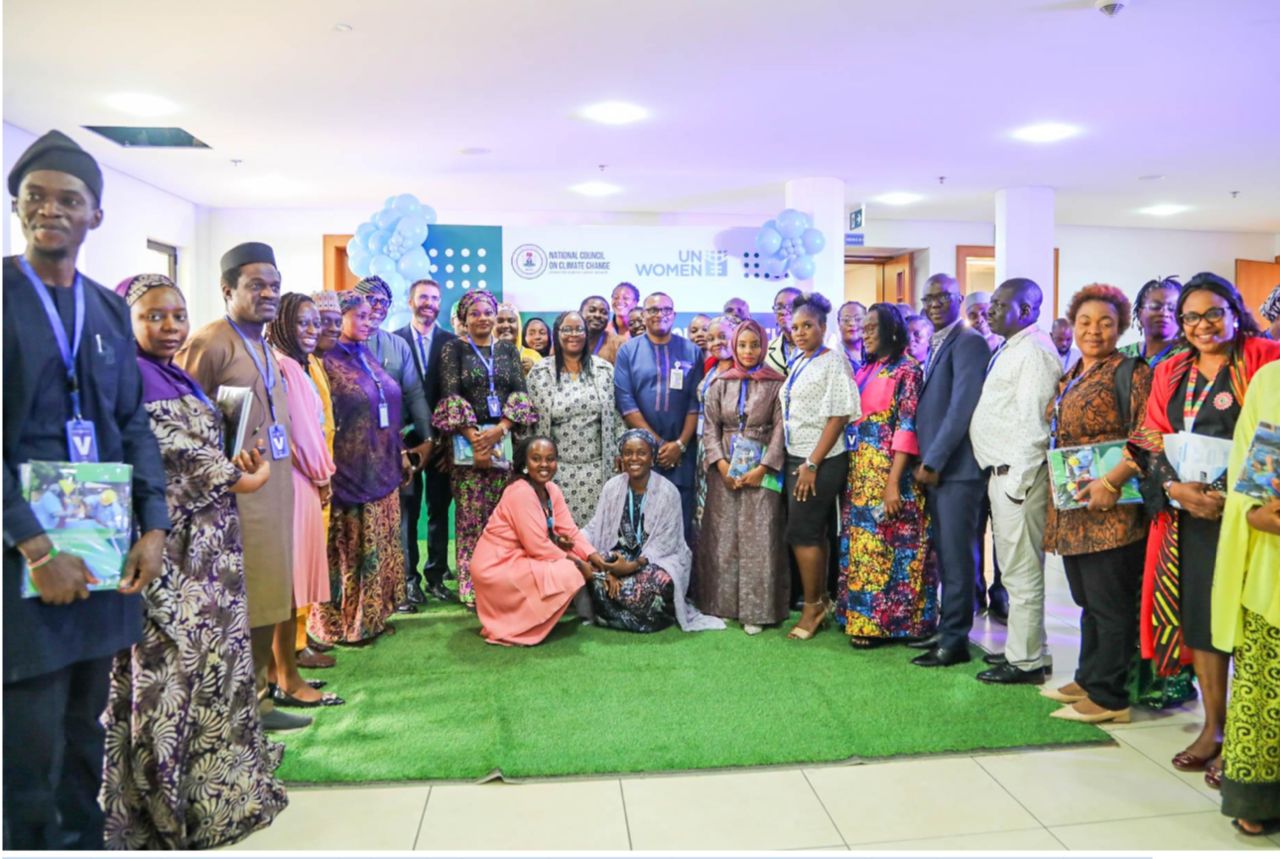
In a landmark step toward strengthening gender equality in Nigeria’s climate governance, UN Women, in partnership with the National Council on Climate Change (NCCC), has launched Nigeria’s Nationally Determined Contribution (NDC) Gender Integration Toolkit and Strategy at the United Nations House, Abuja.
The initiative introduces eight sectoral toolkits and a cross-sectoral Monitoring, Reporting, and Verification (MRV) and Climate Finance Toolkit, providing ministries and agencies with practical tools to translate gender commitments into measurable climate actions across sectors such as energy, agriculture, water, waste, transport, industry, oil and gas, and health.
Speaking at the event, UN Women Country Representative to Nigeria and ECOWAS, Ms. Beatrice Eyong, described the launch as a milestone in aligning gender equality with Nigeria’s climate ambitions.
“Today is not just the unveiling of a technical resource; it is the reaffirmation of our collective commitment to ensure Nigeria’s climate response is inclusive, equitable, and effective,” said Ms. Eyong.
“Gender equality is not an add-on but a critical driver of resilience, innovation, and sustainable development. We cannot achieve our climate targets without putting women at the centre of climate action.”
She announced that sectoral training sessions will take place from 7–17 October 2025 to strengthen the technical capacity of federal and state actors to apply the toolkits effectively.
Delivering the keynote address, Director General of the NCCC, Barrister Omotenioye Majekodunmi, emphasized that integrating gender equality is central to building climate resilience.
“Climate change affects everyone, but women and children bear the greatest burden. The launch of this toolkit signals a shift from commitment to institutionalization,” she said. “Nigeria must move from policy promises to measurable, gender-responsive action in every sector.”
Representatives from the Federal Ministries of Environment and Budget and Economic Planning commended the initiative, noting that it would strengthen national planning and ensure gender-responsive budgeting in climate programs.
UN Women and NCCC also announced plans to roll out a Trainer-of-Trainers (ToT) model, implement a monitoring and evaluation framework, and publish the toolkits in digital and print formats for wide accessibility.
“The time to act is now,” Ms. Eyong concluded. “With strong political will and collaboration, Nigeria can lead Africa in showing that climate action and gender equality are two sides of the same coin.”
Disclaimer
Comments expressed here do not reflect the opinions of Vanguard newspapers or any employee thereof.