
By Gabriel Ewepu
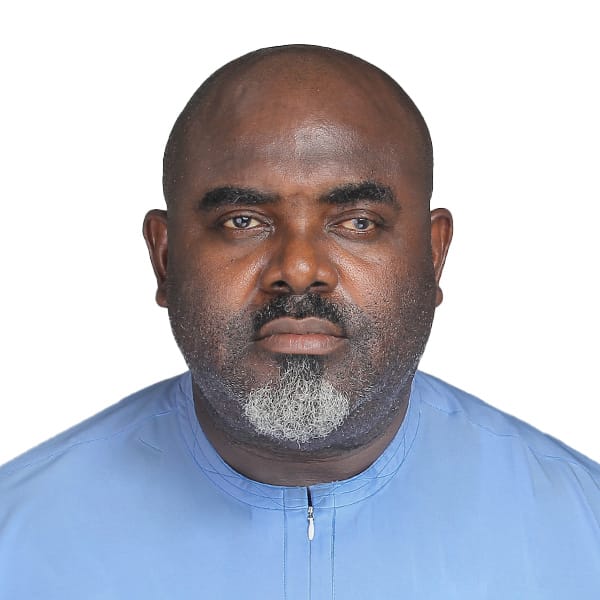
ABUJA – AS the floods ravage parts of the country causing huge losses including lives, an environment expert, Engr Charles Deigh, yesterday, lamented poor waste and drainage policies to mitigate the impact.
Deigh who expressed pain said when rain falls in Nigerian cities, its consequences reveal a critical issue pointing to Nigeria’s inadequate drainage systems as streets are transformed into rivers, homes are flooded, and daily life is disrupted.
He said: “While climate change and heavy rainfall draw attention, it is our failure to design, build, and maintain effective urban drainage that consistently causes this recurring disaster, bringing severe environmental, health, and economic impacts.
Lagos exemplifies Nigeria’s deepening flood crisis.
“Torrential rains recently submerged Lekki, the 3rd Mainland Bridge, Ago Palace Way, Ayobo-Ipaja, Fola Osibo, and Sangotedo, destroying multi-billion-naira worth of property and leaving families homeless.
“These disasters, driven not just by natural vulnerabilities but also by clogged drains, poor urban planning, and weak enforcement of environmental laws, will persist without urgent investment in modern drainage systems and consistent desilting.
“This recurring nightmare is not unique to Lagos—states such as Bayelsa, Benue, Anambra, Imo, Rivers, and Niger face the same urgent threat.
“An environmental Crisis:
Blocked or poorly built drains leave storm-water with nowhere to go. Instead of draining into rivers and canals, water stagnates, damaging infrastructure, polluting the environment, and magnifying even moderate rainfall into floods. Cities like Lagos, Port Harcourt, and Abuja face soil erosion, polluted water bodies, and degraded green spaces as direct outcomes.
“Health hazards in every flood:
Floodwaters mix with waste and sewage, creating breeding grounds for mosquitoes and spreading waterborne diseases like cholera, typhoid, and dysentery. Children are particularly at risk, and recurring outbreaks strain already weak health systems. Seasonal rainfall, instead of nourishing, fuels these public health emergencies.
Meanwhile, on the huge economic losses flood had caused over the years and negatively impacting the nation’s Gross Domestic Product, GDP, he (Deigh) highlighted some salient issues of urgent attention.
“The economic toll: Beyond health and environmental concerns, flooding inflicts a significant economic toll as roads, markets, homes, and businesses suffer billions of naira in damage annually. Commerce stalls due to destroyed goods, disrupted transport, and diverted government resources from long-term infrastructure. In effect, poor drainage doesn’t just wash away soil—it washes away economic growth.”
However, according to him, basically, from neglect to action, the solution lies in prevention, not reaction.
“Urban planners must enforce building codes and ensure drains are wide, deep, and strategically located to serve growing populations and increased rainfall. Regular clearing of silt and refuse is non-negotiable. Citizens, too, must stop treating gutters as dumping grounds, while the government must provide functional waste management systems.
Drainage can’t be an afterthought. Sustainable infrastructure is essential. Countries in similar situations use permeable pavement, rainwater harvesting, and green infrastructure to ease stormwater pressure. Nigerian cities must embrace these solutions to become resilient and liveable.
Meanwhile, in his conclusion, he said it is important to note that, “flooding in Nigeria is not just an act of nature; it is the predictable outcome of weak governance and neglected infrastructure. Poor drainage is a silent but deadly driver of environmental degradation, disease, and economic loss.
“Unless many cities and towns take urgent steps to upgrade and maintain their drainage systems, each rainy season will continue to be a season of fear. The time for excuses is over.
“Policymakers, city officials, and community leaders must now commit to deliberate investment, enforce accountability, and demonstrate political will to build cities that can withstand the menace”, he stated.
Disclaimer
Comments expressed here do not reflect the opinions of Vanguard newspapers or any employee thereof.