
By Gabriel Ewepu
ABUJA – The Minister of Water Resources and Sanitation, Engr Joseph Utsev, Wednesday, reassured of Nigeria’s commitment to achieving objectives of the World Bank-supported Sustainable Urban and Rural Water Supply, Sanitation and Hygiene, SURWASH, Programme.
Utsev gave the assurance in his keynote while delivering his keynote address at the 4th Federal Steering Committee, FSC, Meeting of the SURWASH Programme held in Abuja.
He also emphasized the importance of timely coordination, adequate funding, and strengthened stakeholders engagement, while highlighting major milestones achieved under the Programme; provision of water supply, improvement of sanitation facilities, and installation of complete WASH facilities in health centres and schools.
Meanwhile, the Minister, said as the Programme continues to impact and expand, greater results are anticipated following the completion of the Year 4 Independent Verification Agent (IVA) Report and the upcoming second verification cycle, which will boost state-level disbursements.
He further stated that the essence of the meeting was basically to have a robust review on the progress made so far in the seven implementing states: Delta, Ekiti, Gombe, Imo, Kaduna, Katsina, and Plateau in order to have approval for their revised work plans.
He also made it known that the Federal Government is working with the World Bank to to ensure 10 more States are brought onboard to make 17 participating states.
Meanwhile, the Minister also provided updates on the ongoing Mid-Term Review, MTR, and Programme Restructuring, noting that the first phase was completed in February 2025, with significant alignment of Disbursement Linked Indicators, DLIs, to enhance results and improve fund flow to states.
The Minister emphasized the need for states to finalize budgets and work plans promptly to prevent delays in implementation and committee meetings, pledging that all necessary efforts will be made to strengthen coordination through upgraded Programme Coordination Units (PCUs) at both federal and state levels.
He urged participating states to prioritize funding for their SURWASH activities and accelerate the rollout of communication strategies to enhance transparency and stakeholder engagement.
He said: “Let us continue to collaborate and push forward the implementation of SURWASH. With effective coordination and commitment, we will achieve the Programme’s objectives and deliver on the Renewed Hope Agenda.
“We must all show stronger ownership and commitment at both the federal and state levels if we are to achieve the desired impact of this programme.
”The first phase of the SURWASH restructuring completed earlier this year has improved disbursements to states through the achievement of key results under the Disbursement Linked Indicators.
”We are now in the second phase of restructuring, which aims to strengthen programme institutions, improve accountability, and onboard new states into the SURWASH initiative.
”Our vision is for all 36 states and the FCT to eventually benefit from SURWASH interventions, in line with President Bola Ahmed Tinubu’s Renewed Hope Agenda for universal access to water and sanitation.”
In a remark, the Director, Water Supply, Federal Ministry of Water Resources and Sanitation, Mukaila Segun Babarinde, urged participating states’ commissioners to sensitize their colleagues about the SURWASH Programme and encourage their participation.
Meanwhile, the National Coordinator, SURWASH, Engr Abdulhamid Gwaram, described its performance as strong in institutional strengthening and moderate in service delivery, while giving an update on performance.
Gwaram also noted that the Programme-for-Results, PforR, model is new and comes with initial challenges. He also commended the states for embracing the Programme and growing understanding and commitment, emphasizing that the better they perform, the more support they will receive to expand services. He encouraged sustained dedication to ensure the Programme’s continued success.
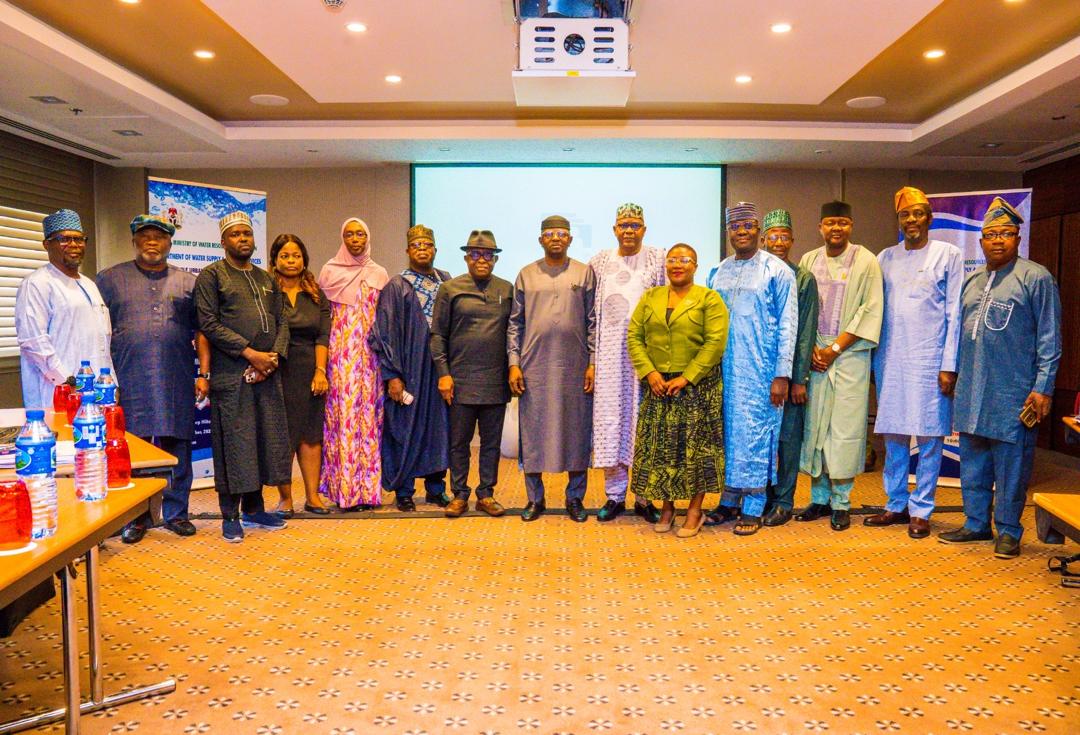
Present at the Review Meeting were state commissioners, representatives of line ministries, World Bank officials, and other water resources stakeholders. The initial participating states are Delta, Gombe, Imo, Ekiti, Kaduna, Katsina, and Plateau.
Disclaimer
Comments expressed here do not reflect the opinions of Vanguard newspapers or any employee thereof.