
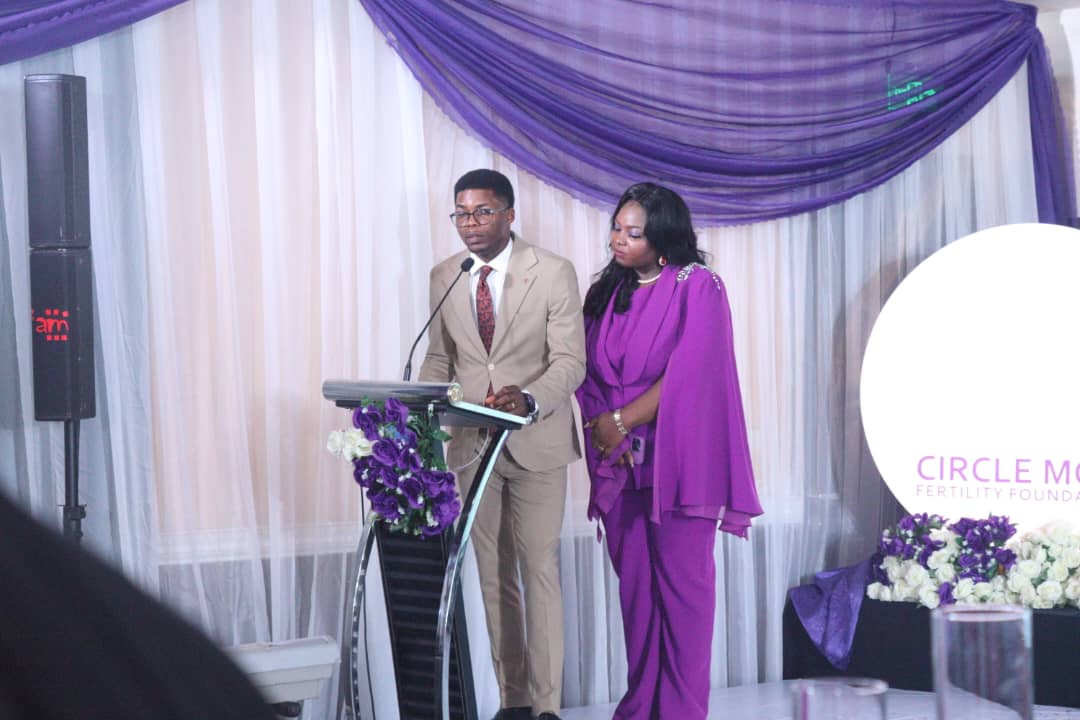
…as Circle Mom Fertility Foundation is launched in Abuja
By Joseph Erunke, Abuja
A medical expert, Dr. Charles Ojeabuo, has shed light on both the scientific and biblical perspectives of third-party human reproduction, describing it as a divinely inspired solution to infertility and a vital advancement in modern medicine.
Delivering a lecture at the launch of the Circle Mom Fertility Foundation in Abuja on Saturday, Dr. Ojeabuo explained that third-party reproduction involves the use of donor eggs, sperm, embryos, or surrogates to help couples conceive when natural methods fail.
Speaking at the event themed “Third-Party Human Reproduction,” Dr. Ojeabuo, who is also the founder of the Foundation, noted that infertility remains a major global challenge, adding that assisted conception provides renewed hope consistent with divine promises of fruitfulness.
“In Genesis 1:28, God commanded humanity to be fruitful and multiply. I believe the knowledge of assisted conception is part of that divine wisdom — knowledge that has helped eliminate barrenness,” he said.
Tracing the scientific development of assisted reproduction, Dr. Ojeabuo recalled that the first in-vitro fertilization (IVF) was conducted in 1977 by Dr. Robert Edwards and Dr. Patrick Steptoe, resulting in the birth of Louise Brown, the world’s first IVF baby, in 1978. Since then, millions of couples worldwide have achieved parenthood through IVF and related technologies.
He explained that conditions such as male infertility (azoospermia), low ovarian reserve, absence of a uterus, or genetic disorders often make natural conception impossible, making donor gametes or surrogates necessary.
“Some women are born without a uterus or have lost theirs to surgery. Others have health conditions that make pregnancy unsafe. Surrogacy provides a lifeline for them,” he said.
Dr. Ojeabuo further outlined the strict medical, genetic, and psychological screening processes donors undergo to ensure safety and ethical compliance, emphasizing the importance of legal and medical consent in all third-party arrangements, especially in embryo and surrogacy programs.
He also described embryo donation as an altruistic option that allows couples with unused embryos from previous IVF cycles to help others achieve parenthood, though he cautioned that such arrangements must remain anonymous to avoid ethical or legal complications.
On surrogacy, he distinguished between traditional surrogacy—where the surrogate’s egg is used—and gestational surrogacy, where the embryo originates from the intended parents or donors. He referenced the biblical story of Hagar and Sarah as an early example of traditional surrogacy.
“Infertility should not be seen as hopeless. The word of God says none shall be barren. With faith and the right medical approach, every couple can become parents,” he declared.
Also speaking, Babayemi Olaniyan, Lead Partner at Lehi Attorneys, examined the legal and ethical dimensions of third-party reproduction in Nigeria.
He noted that surrogacy and donor conception are becoming increasingly common due to rising infertility rates, with estimates suggesting that 10–30% of Nigerian couples face fertility challenges. He stressed that while Assisted Reproductive Technology (ART) provides viable solutions, it must be pursued within ethical and legal frameworks.
Olaniyan explained the difference between traditional and gestational surrogacy, noting that traditional surrogacy—where the surrogate shares a biological link with the child—can lead to legal disputes over parental rights. Gestational surrogacy, by contrast, offers clearer legal standing since the surrogate has no genetic connection to the child.
He pointed out that Nigeria currently lacks specific legislation regulating ART or third-party reproduction, creating a “legal grey area.” However, he clarified that ART is not illegal, as several existing laws indirectly support its practice.
On her part, Barrister Victoria Ojeabuo, a legal practitioner and fertility counsellor, emphasized the emotional and psychological aspects of fertility treatment in her lecture titled “The Role of Counselling and Support Systems in Fertility Treatment.”
She explained that fertility counselling plays a vital role in improving treatment adherence and emotional resilience during procedures such as IVF.
“Fertility counselling helps patients follow instructions, take medications correctly, and understand treatment expectations. Even when IVF results are negative, counselling helps couples manage disappointment and remain hopeful,” she said.
Barrister Ojeabuo identified the high cost of IVF as one of the biggest barriers to fertility care in Nigeria and called for grants, partnerships, and subsidized treatment packages to make services more affordable. She also urged policymakers to establish comprehensive legislation on mental health and assisted reproductive technology to protect couples’ interests and ensure ethical standards.
Highlighting the role of digital healthcare, she encouraged the adoption of telemedicine and telecounselling to make professional guidance more accessible, while stressing the importance of emotional support within marriages.
The Patron of the Foundation and Chief Host, Dr. (Mrs) Rose Anthony, delivered a deeply emotional address centered on hope, compassion, and collective responsibility in addressing infertility challenges.
“Only those who wear the shoe know where it pinches,” she said, describing infertility as a journey filled with shattered hopes and silent tears.
She praised the vision behind the Circle Mom Fertility Foundation for “bringing hope to the hopeless” and supporting families struggling with childlessness, noting that the initiative represents a mission rooted in empathy and faith.
Dr. Anthony recounted encounters with families who turned to unorthodox means out of desperation, stressing that “hope is risen” through interventions like the Circle Mom Fertility Foundation.
“Sometimes, all a family needs is a little push—a helping hand, a comforting word, or a show of understanding,” she said. “This foundation exists to offer that push, to restore hope, and to help families rediscover their faith and strength.”
The event formed part of a broader awareness campaign by the Circle Mom Fertility Foundation to address infertility, promote access to fertility treatment, and encourage the responsible use of reproductive technologies in Nigeria.
Disclaimer
Comments expressed here do not reflect the opinions of Vanguard newspapers or any employee thereof.