
By Obas Esiedesa, Abuja
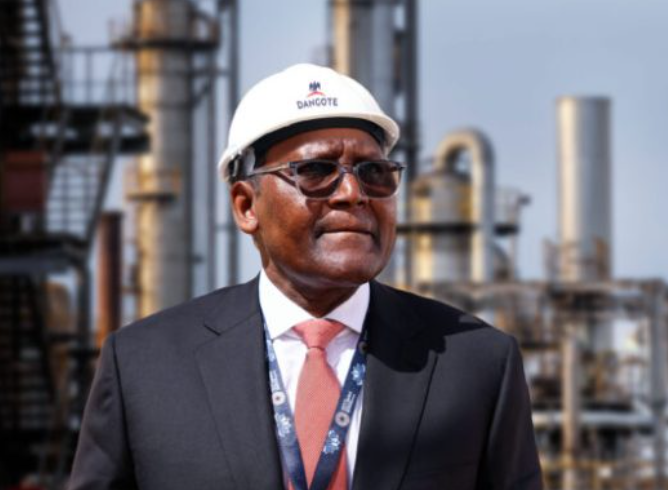
Energy experts have described the emergence of the Dangote Refinery as a bold demonstration of how import substitution and local capacity development can drive Africa’s energy independence and economic transformation.
Speaking at the 18th Nigerian Association for Energy Economics (NAEE) Annual International Conference held on Monday in Abuja, the Chairman of the Energy Institute, Osen Olorunshola, said Africa must build on such models to overcome decades of dependence on imported fuels, technologies, and expertise.
Olorunshola, who was represented by the Managing Partner/CEO of TENO Energy Resources Limited, Dr. Tim Okon, noted that the success of the Dangote Refinery proves that African nations have the capacity to meet domestic energy needs through deliberate policies promoting local manufacturing and technology transfer.
“In Nigeria, we have a refinery that can meet our own domestic needs. Import substitution is a key part of energy sustainability and security,” he said.
“If Africa does not do that, then whether it is renewable or fossil energy, we will continue to be trapped in dependency economics.”
He explained that while Africa is richly endowed with both renewable and non-renewable resources, overreliance on imports has undermined energy security and competitiveness.
“Whatever global shifts we face, we must clearly understand their implications for our economy. Import substitution holds the key — only then can we achieve inclusive and sustainable growth,” he added.
Olorunshola urged African governments to adopt policy frameworks that prioritize industrialization, local content, and value-chain development.
“For us here in Africa to sustainably manage what we know how to do very well, we must demonstrate that capacity to do so,” he said. “When you adopt this framework, you will survive new opportunities and challenges ahead, regardless of the dominant energy mode.”
Earlier, NAEE President, Dr. Hassan Mahmud, said the global energy landscape is being reshaped by rapid technological advances, climate transitions, and shifting geopolitical alignments that are redefining investment flows and energy security priorities.
He said developing economies like Nigeria stand at a “delicate crossroads” — trying to harness abundant natural resources for growth and inclusion while adapting to new global energy governance frameworks often shaped externally.
“For Africa and indeed for Nigeria, the stakes are exceptionally high,” Mahmud stated.
“The continent must move from being a passive participant to an active architect of its energy future. This requires strategic investment in knowledge, innovation, and collaboration.”
He explained that the conference — themed “Emerging Geopolitics of Energy: Navigating Global Shifts and Impact on Developing Economies” — was designed to assess the impact of global policy changes on African energy systems and develop homegrown strategies for resilience and competitiveness.
Mahmud emphasized that an African-led energy transition must be guided by realistic goals, regional cooperation, and the growth of indigenous industries capable of supporting renewable energy deployment, refining, and manufacturing.
Other speakers included the Executive Secretary of the Petroleum Technology Development Fund (PTDF), Aminu Galadima, who stressed human capital development as central to energy stability, and the Kenyan High Commissioner to Nigeria, Isaac Parashina, who said Africa’s collective policies and partnerships will determine whether the continent remains a supplier of raw materials or becomes a producer of innovation and prosperity.
Disclaimer
Comments expressed here do not reflect the opinions of Vanguard newspapers or any employee thereof.