
FILE IMAGE
The Abuja-Kaduna rail corridor, a vital 187-kilometre lifeline connecting Nigeria’s capital to the North-West, has become synonymous with peril rather than progress. Inaugurated on July 26, 2016, as Nigeria’s first standard-gauge railway, it promised efficient, safe travel compared to the treacherous Abuja-Kaduna highway plagued by bandits and poor maintenance.
Yet, nearly a decade later, recurring incidents underscore systemic failures in Nigeria’s rail infrastructure, demanding urgent reforms to restore public trust and prevent further tragedies. Since its launch, the corridor has recorded at least a dozen notable incidents, including derailments, technical failures and security breaches.
Nationwide, train incidents and accidents surged to 523 in 2018 alone, with many linked to poor maintenance and human error, though specific tallies for this line highlight insecurity as a dominant factor. These included detachments, derailments, collisions, broken rails and vandalised tracks.
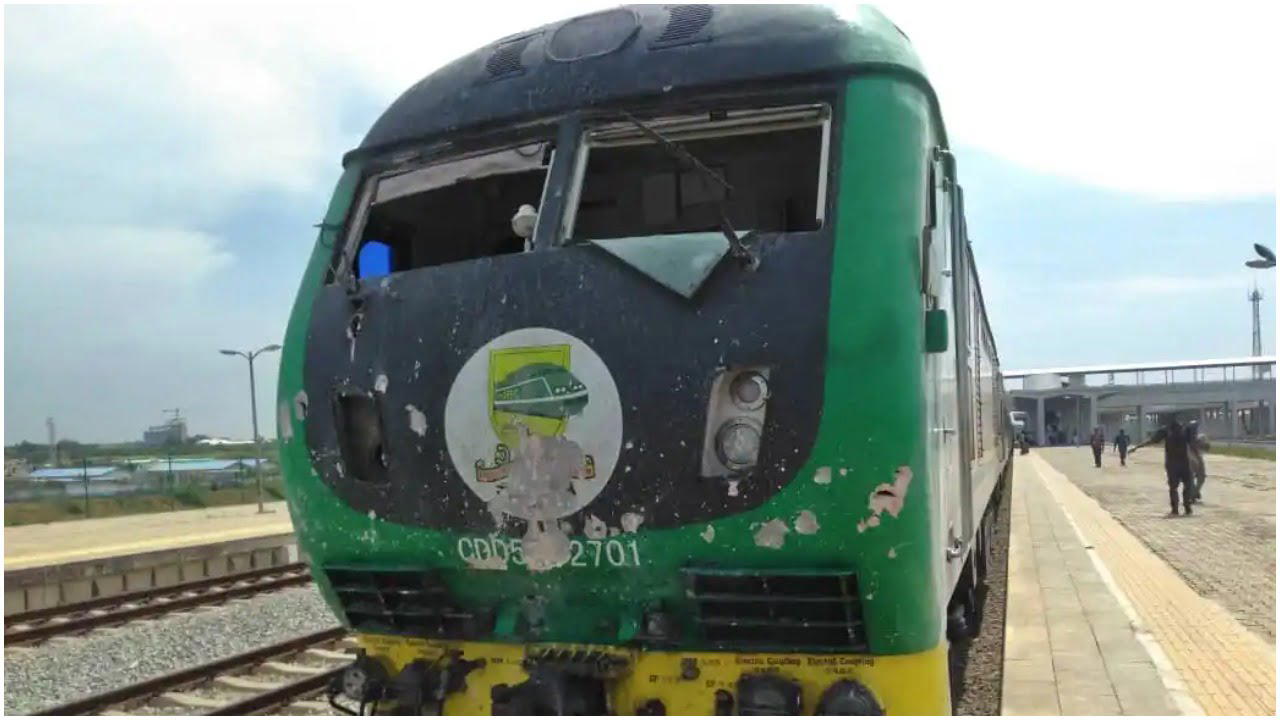
The most serious accident occurred on March 28, 2022, when jihadist terrorists bombed the track near Katari, Kaduna State, derailing the train, shooting passengers, and kidnapping over 60. Ten people died, including crew members, in this brazen attack that halted services for eight months, exposing the vulnerability of rail to insurgency. What makes the Abuja-Kaduna network more accident-prone than others, like the Lagos-Ibadan line?
Primarily, its route traverses bandit-infested regions, amplifying risks from sabotage and attacks, unlike more urban corridors. Chronic underfunding leads to neglected tracks, while environmental factors like excessive heat cause mechanical issues, such as hot axles.
In contrast, other lines benefit from better surveillance and less exposure to insecurity. The latest derailment on August 26, 2025, near Asham station – where a Kaduna-bound train with 618 passengers overturned due to a suspected hot axle fault – prompted swift action.
Authorities suspended operations indefinitely, evacuated all aboard (with six injuries and one fatality reported), and launched recovery efforts. The Nigerian Railway Corporation, NRC’s, MD, Kayode Opeifa, took full responsibility, while the Minister of Transportation, Said Ahmed Alkali, formed an 11-member probe panel. The Nigerian Safety Investigation Bureau, NSIB, initiated inquiries, and agencies like NEMA coordinated responses.
Apart from the Lagos State rails service and the NRC’s Aba-Port Harcourt narrow gauge shuttles with archaic trains, our renascent railways system also includes the Iddo (Lagos) to Ibadan standard gauge. The rest of the country’s railway system remains comatose.
To minimise accidents, three critical steps must be taken. NRC must bolster security with armed escorts, fencing and drone surveillance to deter threats. It should implement rigorous maintenance protocols, including regular track audits and heat-resistant upgrades. It must invest in technology, like real-time monitoring systems and automated braking to address human and mechanical errors.
These measures, backed by transparent funding, could transform this corridor from a death trap into a model of safe, reliable transport, safeguarding lives and boosting Nigeria’s economy.
The time for excuses is over. Action must follow investigations.
Disclaimer
Comments expressed here do not reflect the opinions of Vanguard newspapers or any employee thereof.