
By BUNMI TEJUMOLA
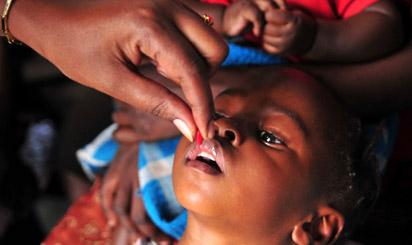
Misinformation enslaves the people, makes caregivers, parents, hesitant about immunisation uptake and right information saves children, especially under fives. Out of every five children that are under five years, one has zero dose. That is to say one of the five has not gotten immunised at all in Nigeria… Therefore, it is important to save children under fives from dying by letting them get immunised, promoting campaigns for more uptake in Lagos State, South- West Nigeria.
Vaccination prevents diseases and reduces the money one uses to treat sickness when it arises because the immunity is there to sustain the child even when attacked by diseases. It is important to mention that immunisation is free in Lagos, and that there are plans for accessibility in hard to reach areas. Immunisation is one of the most powerful and effective tools in modern medicine, especially in protecting children from a wide range of infectious diseases. From an early age, children are vulnerable to numerous diseases like measles, polio, whooping cough, and more. These illnesses, if not prevented, can lead to severe complications, long-term health problems, or even death.
Immunisation works by strengthening the immune system, allowing the body to recognise and fight specific germs before they cause harm. This preventative measure not only shields children from immediate health threats but also reduces the risk of future complications. When a large portion of the population is vaccinated, it helps protect those who cannot be vaccinated due to medical reasons. This shows that immunisation is not just a personal choice, but a collective responsibility that supports community health.
The long-term benefits of childhood immunisation are undeniable. It reduces the need for hospital visits, minimises healthcare costs, and ensures that children can grow up, attend school, and engage in life without the burden of preventable diseases. It also supports public health goals by helping to control or even eradicate deadly illnesses globally. Immunisation is a cornerstone of lifelong health. By vaccinating children, we are not only protecting their present but investing in their future, ensuring they have the strength and immunity to thrive. The main issue faced is low uptake of Immunisation of children under fives caused by various factors most especially through misinformation, myth, religious beliefs, economic reasons.
Correct information should be shared with the people, parents, guidance and the caregivers by the local authorities, civil society organisations, CSOs, and community leaders during the ongoing immunisation campaigns. Joint efforts are required by the different stakeholders such as the CSOs, the authorities (Lagos State Primary Health Care Board) to be done to ensure effective coordination and colllaboration where right information is discussed and shared openly to the public, especially to vulnerable people who lack access to information.
There is a call to action now to stakeholders such as the local authorities primary health care board, Ministry of Health, CSOs and community leaders, including traditional leaders, religious leaders, youth leaders and market women to join the 33 days campaign. Digital Campaign Sensitisation by CEPI and radio talk shows to be listened to between now and 33 days Campaign.
The Lagos State Government, in collaboration with UNICEF, has initiated mass immunisation campaigns targeting over 21 million residents. These campaigns aim to reduce vaccine-preventable diseases and address the challenges posed by misinformation.
Media outlets play a crucial role in these efforts by amplifying accurate information, dispelling myths, and encouraging vaccination. The media’s influence is vital in building public trust and ensuring the success of immunisation campaigns.
Conclusion
In Lagos, the battle against misinformation is as critical as the fight against disease itself. By providing accurate, accessible and culturally relevant information, communities can overcome vaccine hesitancy and protect their children from preventable diseases. Through the existing mobile immunisation centres in under-served communities of Lagos State, outreaches and collaborative efforts between government, media, and community leaders, Lagos can ensure a healthier future for its youngest residents.
•Tejumola, Executive Director of Community Empowerment for Peace and Health Initiative, CEPI, wrote from Lagos
Disclaimer
Comments expressed here do not reflect the opinions of Vanguard newspapers or any employee thereof.