
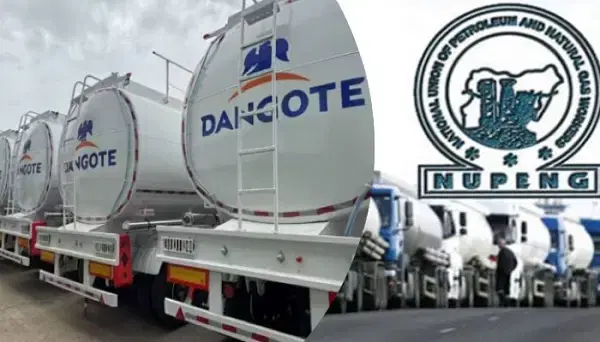
The nation dodged the proverbial bullet recently following the quick and amicable resolution of the battle of wits between Dangote Refinery and the National Union of Petroleum and Natural Gas workers, NUPENG, over the former’s alleged anti-union activities.
The refinery planned to deploy 4,000 to 10,000 Compressed Natural Gas, CNG, trucks for nationwide fuel distribution but reportedly prohibited its drivers from joining unions, thus violating their constitutional rights and international labour laws. NUPENG also accused Dangote of fostering precarious employment and undermining collective bargaining. They threatened a nationwide strike from Monday, September 8, 2025. This raised fears of fuel shortages.
Alarmed, the Federal Government immediately summoned a meeting with the disputing parties. The unusual venue of the meeting – headquarters of the Directorate of State Security Service, DSS, in Abuja – underlined the seriousness with which the President Tinubu administration viewed a possible oil union workers’ strike.
Happily, both sides met each other halfway, and an agreement to drop the strike was signed. An important element of Dangote Refinery’s concession was the disbandment of the Direct Trucking Company Drivers Association, DTCDA, which it formed for its truckers. The company later denied allegations that it was violating the agreement, insisting it believes in “voluntary unionism”.
Though the Dangote business empire is often accused by its critics of “monopolistic tendencies”, the company’s concern over its staff’s NUPENG membership could be linked to the Union’s past track records of ability to disrupt economic activities during its mass actions. Because of the nature of our energy sector, whenever oil workers sneeze, the entire nation catches cold.
There is a need to always strike a balance between the corporate interests of strategic business entities like Dangote Refinery and the welfare of their workforces as championed by unions like NUPENG. Without independent unionism, workers become vulnerable to the excesses of their employers which does not augur well for both sides in the end.
While we stand firmly behind workers’ constitutional right to belong to registered trade unions and pursue their interests with them, we also call for responsible unionism, especially in the downstream sector of our oil industry. For more than 30 years, Nigerians suffered greatly as a result of fuel scarcity which was due to our dependence on imported fuel. That is the reason Dangote refinery coming into operation should be applauded. It has saved the country the frequency fuel scarcity issues that usually put the country on edge.
Disclaimer
Comments expressed here do not reflect the opinions of Vanguard newspapers or any employee thereof.