
By Tunde Oso
Stakeholders in the education sector have called for inclusive, innovation-driven learning for the brightest minds, who are mostly in children, youths and young age bracket of African and Nigerian population.
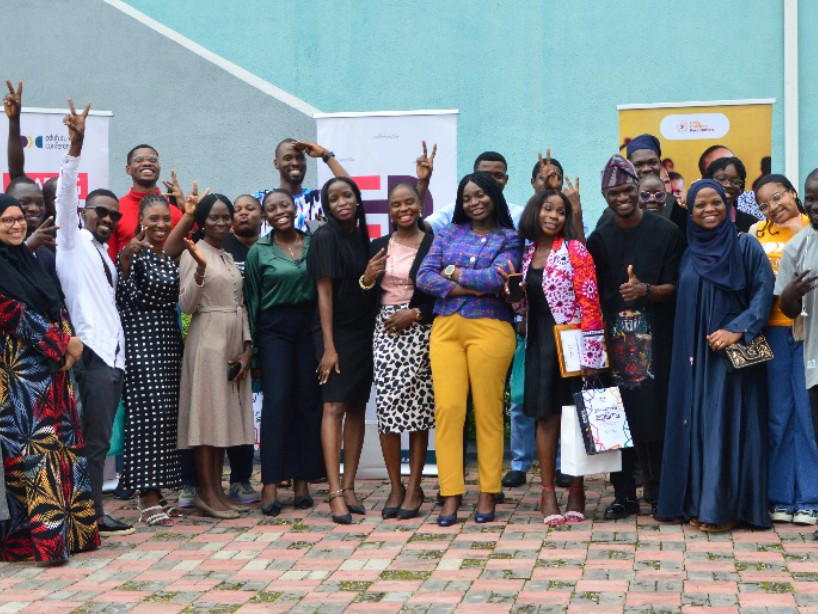
They made this known in a communique after the EduFuture Conference 2025, which took place on July 10 at the American Corner Ikeja, Lagos, and which brought together some of Africa’s brightest minds in education, innovation, and social impact.
Organized by the Dolly Children Foundation, the conference was convened by Adedolapo Osuntuyi, a passionate education advocate, founder of the Foundation, with nearly two decades of experience, transforming learning opportunities for underserved communities.
Osuntuyi explained that the event was “a rallying point for those committed to not just talking about change, but driving it.”
“We can’t afford to remain passive. The time for actionable reform is now,” she said in her address. “EduFuture is about commitment—about meeting children where they are and building systems that work for them.”
One of the most powerful moments came during the opening keynote by Dr. Adétọ́lá Aríyìíkẹ́ Salau, Special Adviser to the Executive Governor of Kwara State on Education, Policy Formulation and Human Capital Development. Her remarks challenged the audience to abandon outdated models in favor of forward-thinking approaches that place children at the center.
“The world has changed but has education changed with it?” she asked. “Old keys won’t open new doors. If we want to build future-ready learners, we must reimagine how we educate—especially across gender, ability, and access.”
The conference delved into structural issues such as poor infrastructure, rising dropout rates, and widening equity gaps, while spotlighting grassroots innovation and policy-driven solutions. Attendees explored how collective responsibility, from government and civil society to private sector and local communities, must fuel progress.
A standout moment of the day came from a spoken word performance by Perpetual Eghonghon Adenuga, whose heartfelt piece on inclusion, equity, and education’s power to uplift earned warm applause from the audience.
Throughout the sessions, moderators and panelists steered dynamic conversations around designing inclusive curriculums, training educators to meet diverse learner needs, and leveraging partnerships to drive impact. While the issues were complex, the consensus was clear: real transformation begins with shared action.
Participants were also given a first look at StratED Futures, a forthcoming social enterprise focused on driving education reform through research, policy innovation, and data-driven consulting—a bold initiative poised to influence Africa’s education narrative in the years ahead.
“EduFuture 2025 wasn’t just another gathering—it was a call to act,” said one attendee. “If we want to see Africa rise, we must get education right—and it starts with all of us.”
Dolly Children Foundation is a non-profit organization committed to advancing access to quality education for African children through advocacy, innovation, and grassroots collaboration. The foundation supports inclusive education policies, youth empowerment, and sustainable learning systems across the continent.
Disclaimer
Comments expressed here do not reflect the opinions of Vanguard newspapers or any employee thereof.