
By Nnasom David
In a significant step toward building a climate-resilient agricultural sector in West Africa, the ECOWAS Regional Fund for Agriculture and Food (RFAF), under the ECOWAS Bank for Investment and Development (EBID), has launched a five-day training program for financial institutions as part of the pilot phase of the West African Initiative for Climate-Smart Agriculture (WAICSA).
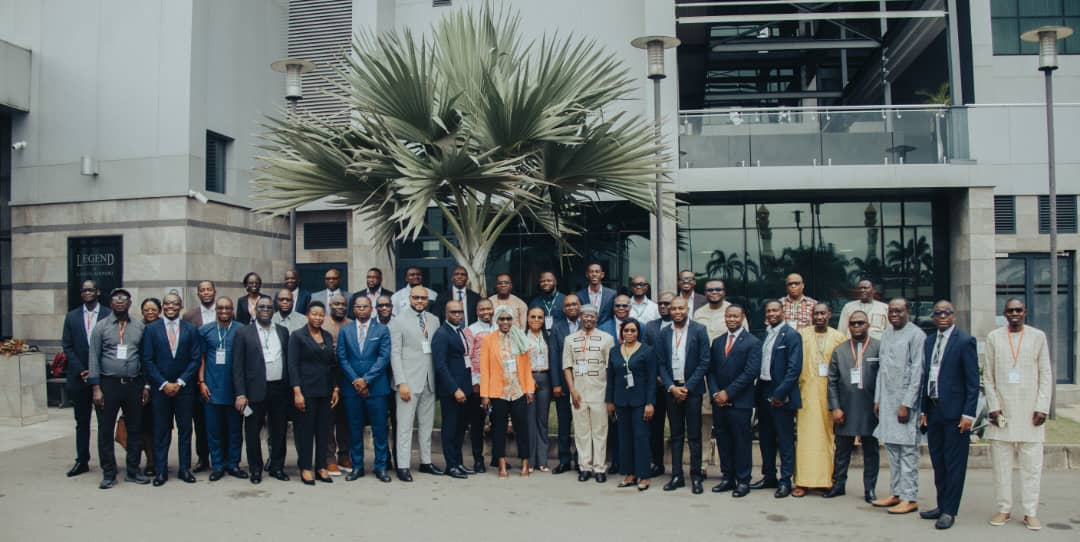
The training, held at the Legend Hotel Airport in Ikeja, Lagos, from July 21 to 25, 2025, aims to strengthen the capacity of banks and microfinance institutions to provide tailored credit to agricultural small and medium-sized enterprises (Agri-SMEs) working within the climate-smart agriculture (CSA) value chain.
Amid growing concerns about food insecurity and climate change across the region, WAICSA aligns with ECOWAS agricultural policies (ECOWAP) to promote sustainable farming and enhance climate resilience. Participating institutions from Nigeria, Ghana, Senegal, Côte d’Ivoire, Togo, and Benin are receiving hands-on training on assessing, financing, and supporting CSA-aligned projects.
“Through this initiative, the Regional Fund is not only enhancing access to finance but also championing a transition toward sustainable and resilient agriculture,” said Mr. Alaine Traoré, speaking on behalf of Mrs. Massandjé Touré-Litsé, ECOWAS Commissioner for Economic Affairs and Agriculture. “By training financial intermediaries, we aim to build a robust ecosystem where Agri-SMEs can thrive and contribute meaningfully to food security in West Africa.”
WAICSA is the region’s first blended finance facility focused exclusively on climate-smart agriculture. It offers concessional loans under \$1 million at subsidized interest rates, targeting underserved smallholder farmers and Agri-SMEs. In this pilot phase, an initial \$10 million has been earmarked for on-lending. Over the next five years, total funding is expected to hit \$130 million, with \$104 million allocated to finance and \$26 million to technical support.
The pilot will initially cover six ECOWAS member states, with the potential to scale across the region. At full implementation, WAICSA aims to benefit 90,000 smallholder farming households and transition over 185,000 hectares of farmland to climate-smart practices. The initiative is also expected to reduce up to 2 million tons of CO₂ emissions annually—comparable to eliminating more than 4 billion miles of vehicle travel.
Participants in the training include Wema Bank (Nigeria), VisionFund Ghana Micro Credit, Agricultural Development Bank (Ghana), CAURIE Microfinance (Senegal), ORABANK (Togo), and CORIS Bank International (Benin), among others.
Development partners such as the German Government through GIZ’s EAT Programme and the Global Green Growth Institute (GGGI) are supporting the initiative.
Mrs. Léonie Awa Welly Diagwe, Director of Marketing at Crédit Mutuel Bank, Senegal, praised the program: “We are grateful to the ECOWAS Regional Fund for Agriculture and Food for this training. It will help us uphold the highest standards of professionalism in implementing this initiative.”
WAICSA represents a bold move to close financing gaps in agriculture while promoting sustainable development across West Africa. As the training gets underway, stakeholders are optimistic that the initiative will pave the way for more inclusive, climate-resilient, and productive agricultural systems in the region.
Disclaimer
Comments expressed here do not reflect the opinions of Vanguard newspapers or any employee thereof.