
An independent charity organisation established to support Nigeria’s Universal Basic Education goal, Oando Foundation, has strengthened its commitment to environmental education and promoting recyclable waste management practices in targeted schools and host communities by launching Phase V of its Clean Our World, COW, project.
The new phase would scale the initiative to 50 additional schools, with expansion into Abuja and Delta states, while strengthening implementation in Lagos and Plateau to deepen impact and drive long-term sustainability.
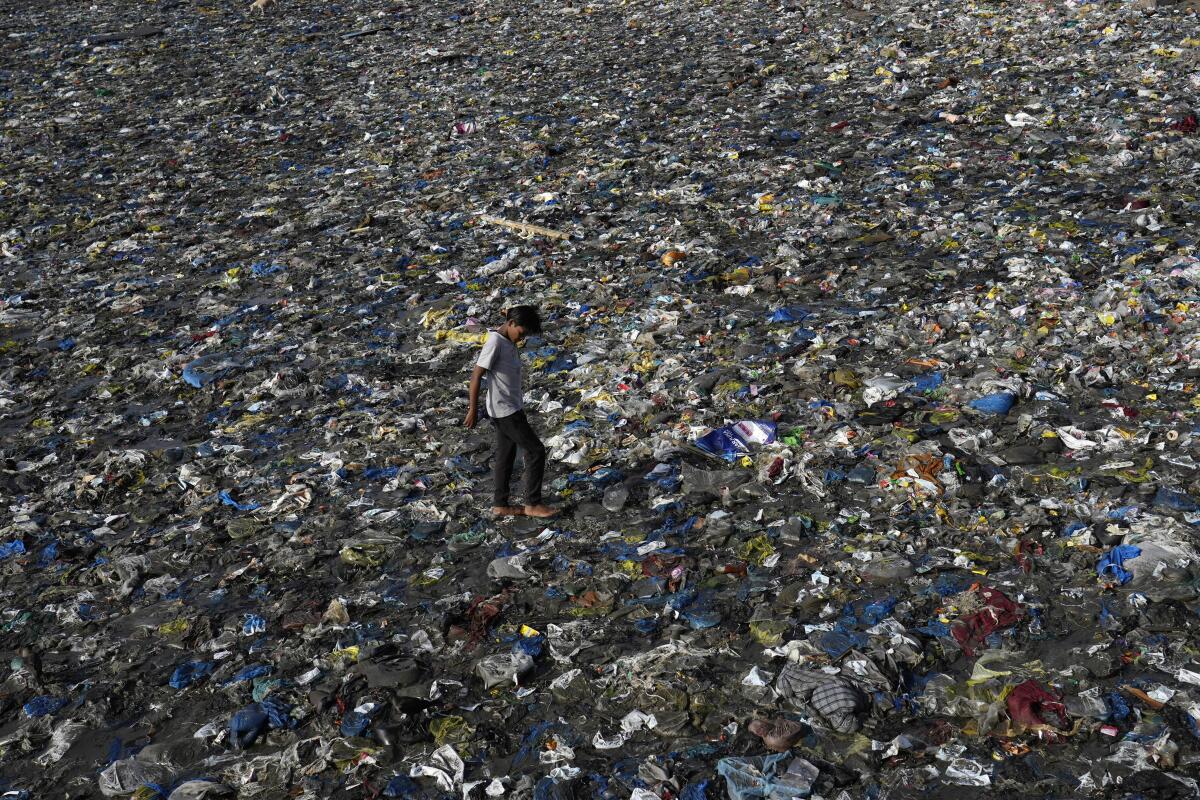
This move was in view of a recent report by the United Nations Industrial Development Organisation, UNIDO, that an estimated 2.5 million tons of plastic waste is generated annually in Nigeria, with only 12 per cent of that being recycled.
Commenting on the development, Head of Oando Foundation, Tonia Uduimoh, said: “Implementation of the fifth phase of the COW initiative, in collaboration with our co-sponsor Sumitomo Chemical, and government partners marks a significant milestone in our journey towards embedding sustainability in education. By expanding into two new states, we are not only broadening our geographical reach but also deepening our impact in legacy states like Lagos and Plateau. Our goal is to instill a culture of sustainability from an early age, fostering responsible behaviors that extend beyond the classroom into the wider community.
Through strategic partnerships and active government involvement, we aim to create a scalable model that can be replicated across the nation. This initiative is more than just an educational program; it’s a movement towards a sustainable future. We believe that by equipping the younger generation with the necessary knowledge and skills, we are laying the groundwork for a cleaner, greener Nigeria”.
Also commenting, Executive Chairman of Delta State Universal Basic Education Board, SUBEB, Samuel Mariere, said: “Oando Foundation’s COW V is a commendable programme that is broadening the knowledge and changing the attitudes of pupils, teachers, and stakeholders in our state towards understanding environmental education for a better healthier living.”
Disclaimer
Comments expressed here do not reflect the opinions of Vanguard newspapers or any employee thereof.