
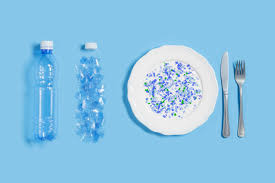
The problem of plastic pollution has taken a new turn with the discovery of microplastics in food. Microplastics, which are small plastic particles less than 5 millimeters in size, have been detected in a variety of food products, including bottled water and processed snacks.
In Bauchi State, where plastic pollution is already a significant concern, the discovery of this new health challenge has triggered additional worry for consumers of foods in microplastics. Experts say that microplastics can contaminate food through several means, including packaging materials, polluted soil and water, and airborne particles.
According to Dr. Aisha Abdulaziz, a public health expert, microplastics are a serious concern because they can cause a range of health problems.
Dr. Aisha told Arewa Voice: “From increased inflammation to impaired fasting glucose, insulin resistance, type 2 diabetes, and heart disease, the risks associated with microplastics are very real.
“So, how do microplastics end up in our food? One of the main ways is through plastic packaging. Plastic packaging is used to wrap, bottle and containerise a wide range of food products, from snacks and beverages to fresh produce and meats. When plastic packaging is used, microplastics can leach into the food, particularly when the packaging is heated or exposed to sunlight.
“Another way that microplastics enter our food supply is through contaminated soil and water. Microplastics have been found in soil and water. When crops are grown in contaminated soil or irrigated with contaminated water, microplastics can enter the food chain”.
A survey across Bauchi metropolis showed multiple sites where plastic wastes were dumped along water ways which could lead to potential contamination of potable water and crop production.
Dr. Habib Ahmad, a medical doctor with Alhikma Medicare Centre, said that microplastics can cause harm to the body, warning that caution must be taken when consuming packaged foods.
“When microplastics are ingested, they can cause inflammation and damage to the digestive system,” he said. “They can also enter the bloodstream and cause harm to other organs in the body.
“Some studies have suggested that microplastics may have carcinogenic potential, as they can contain chemicals that are known to cause cancer, such as: Bisphenol A (BPA) has been linked to various types of cancer. Phthalates, used for plastic production, can cause cancer. Polycyclic are aromatic hydrocarbons known for carcinogens that can be present in microplastics.”
Dr. Ahmad also noted that microplastics can cause harm to the reproductive system. “Exposure to microplastics has been linked to changes in the reproductive system, including reduced fertility and increased risk of pregnancy complications,” he added.
But to be able to reduce exposure to microplastics, experts recommend choosing whole foods over processed foods, avoiding plastic packaging, and using eco-friendly packaging options. They also recommend using glass or stainless steel water bottles instead of plastic water bottles.
Disclaimer
Comments expressed here do not reflect the opinions of Vanguard newspapers or any employee thereof.