
By Chioma Obinna
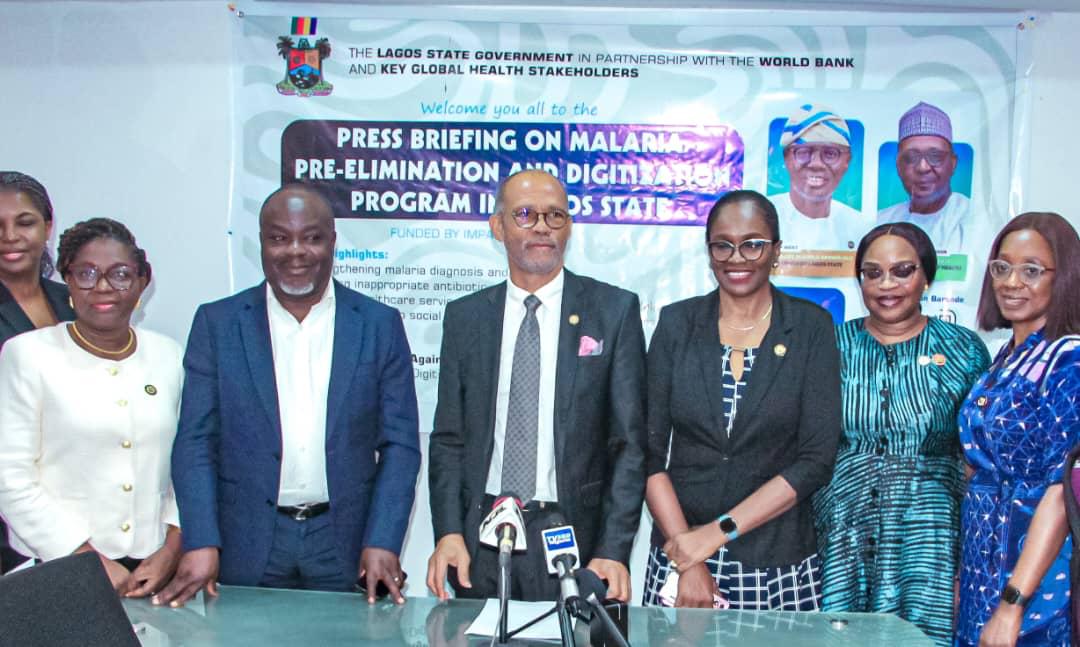
With a 900,000 malaria cases per year in Lagos, the State Government will tomorrow launch the “Pathway to Malaria Pre-Elimination & Digitisation Programme”, an impact project designed to improve child survival and human capital development.
To this end, the state government had urged Lagosians to reject malaria treatment without testing.
The impact programme which aligns with national and global malaria control objectives would drastically reduce under-five mortality rates and significantly improve malaria diagnosis and treatment in the state.
Addressing a press conference in Lagos, the Lagos state Commissioner for Health, Professor Akin Abayomi said the programme presents a unique opportunity to further drive down the state’s malaria prevalence from 3 to less than 1 percent.
According to him: “This programme presents a unique opportunity to drive our prevalence to less than 1 percent, achieving malaria pre-elimination and setting a precedent for the rest of Nigeria.”
He said the 900,000 cases annually still place a substantial burden on the state’s healthcare system.
Abayomi explained that the IMPACT project, which is part of Nigeria’s Improved Child Survival Programme, seeks to cut the under-five mortality rate in the country from 107 to 79 per 1,000 live births by 2030.
“Lagos State, which currently has an under-five mortality rate of 59 per 1,000 births, is targeting a 25 percent reduction in this figure. The launch of the malaria pre-elimination initiative is central to achieving this goal.
“Malaria continues to be a major public health issue in Lagos, despite the state’s relatively low prevalence compared to other parts of Nigeria. The state sees an average of 900,000 malaria cases annually, with febrile illnesses presumed to be malaria still accounting for over 50 percent of outpatient visits at public health facilities.”
He said the new programme aims to take Lagos to the next level of malaria control by pushing the state’s malaria prevalence below 1 percent, a milestone that would position Lagos as a leader in malaria pre-elimination in Africa.
Noting that the World Health Organisation (WHO) classifies Lagos as a “low transmission” area, he said malaria remains a burden on the state’s healthcare resources and its most vulnerable populations, including children under five and pregnant women.
He further explained that the Pathway to Malaria Pre-Elimination & Digitization Programme is a multi-faceted initiative designed to accelerate malaria control in Lagos through the integration of digital health technologies, improved diagnostics, and robust public-private partnerships.
Abayomi urged Lagosians to reject malaria treatment without medical tests.
He explained that the programme will be rolled out under the IMPACT project, with several key strategies:
The Commissioner said the strategies would include enhancing rapid diagnostic testing and ensuring that all malaria cases, regardless of where they are treated, receive prompt and effective care.
Continuing, he said a major component of the programme is the digitisation of malaria case reporting and coordination across the state. Using a partnership with Maisha Meds, a digital health platform, hundreds of community pharmacies and clinics will be connected in real time to track malaria cases.
“The programme will implement extensive public education campaigns to promote malaria prevention and early treatment, including advocating for the use of insecticide-treated nets and eliminating mosquito breeding grounds.
“The initiative includes a major push for accurate malaria diagnosis through enhanced testing protocols and reducing misdiagnoses, which currently result in over-treatment and unnecessary antibiotic use.
“The programme will actively integrate Lagos residents into health insurance schemes, making malaria treatment more accessible and affordable.”
He further explained that the Pathway to Malaria Pre-Elimination & Digitisation Programme is a joint effort involving several key health organisations, including the WHO, the National Malaria Elimination Programme (NMEP), and the Pharmacy Council of Nigeria (PCN). Together, these partners will help ensure the successful implementation of the programme’s strategies.
He called on all stakeholders, policymakers, healthcare professionals, community leaders, and citizens to support the programme.
“We urge all stakeholders to support this bold initiative. Together, we can drive malaria to zero in Lagos State and create a healthier future for generations to come.”
The government invites the media, development partners, and the public to attend the launch event and follow the programme’s progress.
He emphasised the importance of community involvement, from the use of insecticide-treated nets to ensuring that every fever is properly diagnosed and treated.
“The programme aims not only to combat malaria but also to foster a healthier, more productive society by reducing the economic impact of the disease. The public is invited to join in the launch of this transformative initiative on March 4, 2025, and to follow its progress as Lagos leads the way in malaria pre-elimination and digital health innovation.”
The launch event will be hosted by the Executive Governor of Lagos State, Mr. Babajide Sanwo-Olu, and will feature several prominent health officials, including Prof. Muhammad Ali Pate, Honorable Minister of Health, Federal Republic of Nigeria, and Dr. Ndiame Diop, Country Director for Nigeria, World Bank.
Disclaimer
Comments expressed here do not reflect the opinions of Vanguard newspapers or any employee thereof.