
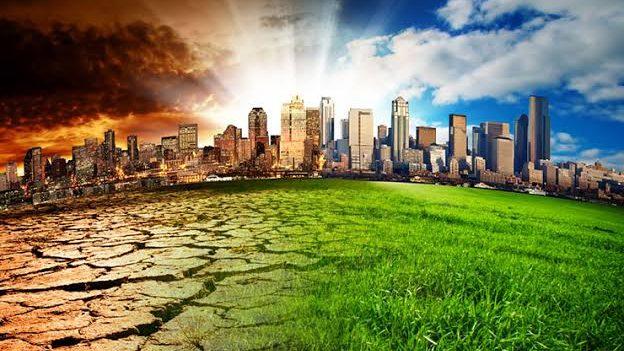
File image
By Femi Bolaji
Jalingo — Experts on climate change and environmental sustainability have sounded the alarm over the dangers of neglecting urgent action against global warming and its devastating effects on biodiversity.
Speaking at the maiden Daniel Buba Colloquium on Sustainable Development Amid the Climate Crisis in Jalingo, Taraba State, specialists emphasized that aggressive tree planting remains one of the most effective strategies to combat desertification, which is rapidly advancing in Nigeria’s North-East region.
Dr. Daniel Buba, convener of the forum, highlighted the growing vulnerability of arid and semi-arid states like Taraba, calling for immediate and sustained efforts from the government and stakeholders to address the crisis.
“Our world is facing an unprecedented crisis. Climate change is having a devastating impact on our planet, especially in arid and semi-arid regions,” he said. “Rising temperatures, changing rainfall patterns, and increased extreme weather events threaten the survival of these ecosystems. The consequences range from food and water scarcity to biodiversity loss and the destruction of livelihoods.
“This reminds us of the importance of collective action. Tree planting serves as a powerful symbol of our shared responsibility to protect the planet,” he added.
The Vice-Chancellor of Taraba State University (TSU), Prof. Sunday Bako, warned that ignorance of the consequences of climate change is not an excuse. He urged experts to mobilize stakeholders to protect the environment and ecosystems.
Aishat Barde, Taraba State Commissioner for Environment and Climate Change, represented by Director of Climate Change Lazarus Ahmadu, stated that the state government has been actively promoting tree planting while cracking down on illegal logging. He urged stakeholders and residents to complement government efforts by adopting eco-friendly practices.
Dr. Clement Giwa, Project Coordinator of the Agro-Climatic Resilience in Semi-Arid Landscapes (ACReSAL) Project, noted that Taraba is highly vulnerable to desertification. He emphasized that their project is aimed at mitigating the threat, which could disrupt the livelihoods of both farmers and herders in the region.
Disclaimer
Comments expressed here do not reflect the opinions of Vanguard newspapers or any employee thereof.