
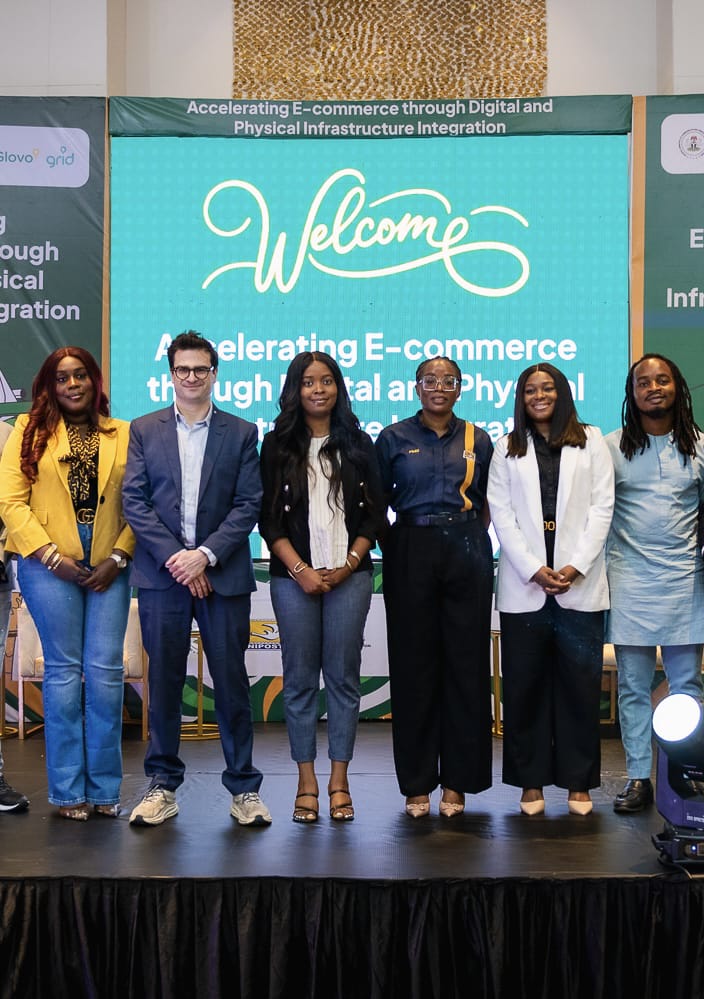
…As Stakeholders champion rapid digitalization, stronger collaboration, logistics infrastructure
By Juliet Umeh
Despite projections that the Nigerian e-commerce industry will reach $33 billion (approximately N49.63 trillion) by 2026, the sector continues to face significant challenges.
Issues such as inadequate infrastructure, unreliable logistics and delivery systems, payment and trust concerns, regulatory complexities, poor internet penetration in certain areas, and weak customer support systems have hindered its full potential.
To address these challenges, stakeholders, including logistic app Glovo, the Nigerian Ministry of Communications, Innovation & Digital Economy, and its agency, the Nigerian Postal Service, NIPOST, are seeking solutions to strengthen the sector.
They are shopping for policymakers, technology leaders, and private sector players, who will deliver insightful prescriptions capable of engendering a robust e-commerce ecosystem.
At a recent stakeholders meeting in Lagos, industry players x-rayed the industry and expressed the need for a stronger logistics infrastructure to support digital commerce and industry collaboration.
Postmaster General of NIPOST, Tola Odeyemi, while delivering a keynote address at the meeting, stressed the importance of logistics and nationwide accessibility in building a thriving digital economy.
Odeyemi who also represented the Minister of Communications, Innovation & Digital Economy, Dr. Bosun Tijani, said; “NIPOST recognizes critical issues such as infrastructure decay, licensing violations, and harassment of riders within the courier and logistics sector. To tackle these challenges, the agency is leveraging its extensive infrastructure and collaborating with stakeholders to build a more efficient ecosystem.
She said; “By aligning our vast network with digital platforms, we can create an efficient logistics framework that benefits businesses, especially Small and midsize enterprises, SMEs, and ensures that e-commerce reaches every corner of Nigeria.”
Global Director of Government Relations at Glovo, William Benthall, presented Glovo’s Yellow Effect Report, which provides an in-depth analysis of Africa’s digital commerce landscape and Glovo’s five-year journey, with a focus on Nigeria.
The report highlighted how innovative logistics solutions and digital integration can empower local businesses, drive economic growth, and enhance supply chain efficiency.
“We chose to launch this report in Lagos because of Nigeria’s critical role in Africa’s digital commerce ecosystem and its vast market potential. Our findings highlight key opportunities in leveraging technology and strategic partnerships to drive sustainable growth,” Benthall said.
He added, “Over the past five years, Glovo has supported 45,000 businesses—95 percent of them SMEs—generating over €1 billion for partners and aiding 4,000 at-risk businesses. With a 20-percentage-point drop in cash orders, we are also driving financial inclusion.
By collaborating with policymakers, industry leaders, and local businesses, we aim to power the digital economy, enhance logistics efficiency, and create a more resilient and inclusive marketplace for all.”
During a fireside chat session, General Manager of Glovo Nigeria, Lamide Akinola, discussed how Glovo is leveraging artificial intelligence, AI to optimize e-commerce operations.
She explained that AI plays a crucial role in enhancing efficiency across the value chain—from streamlining delivery logistics and predicting demand patterns to improving the overall user experience.
“With AI-driven insights, we can help SMEs scale faster, reduce inefficiencies in last-mile delivery, and ensure that customers get the best possible service,” Akinola noted.
She also introduced Glovo Local, an initiative designed to equip SMEs with digital tools, training, and financial resources to help them thrive in an increasingly tech-driven economy.
Regional Head of Government and Public Relations, Sub-Saharan Africa at Glovo, Chidera Akwuba, emphasized the importance of industry collaboration.
Akwuba said; “Bringing together stakeholders from across the industry is essential to driving meaningful change in Nigeria’s e-commerce sector.”This forum was a crucial step in fostering strategic partnerships that will help address logistical barriers and unlock new growth opportunities.”
The discussions extended beyond logistics to broader issues affecting Nigeria’s e-commerce ecosystem.
Panelists explored regulatory, technological, and operational challenges that must be addressed to unlock the sector’s full potential while emphasizing the importance of cross-sector collaboration, ensuring that policies, infrastructure, and technology work together to create a seamless digital marketplace.
Disclaimer
Comments expressed here do not reflect the opinions of Vanguard newspapers or any employee thereof.