
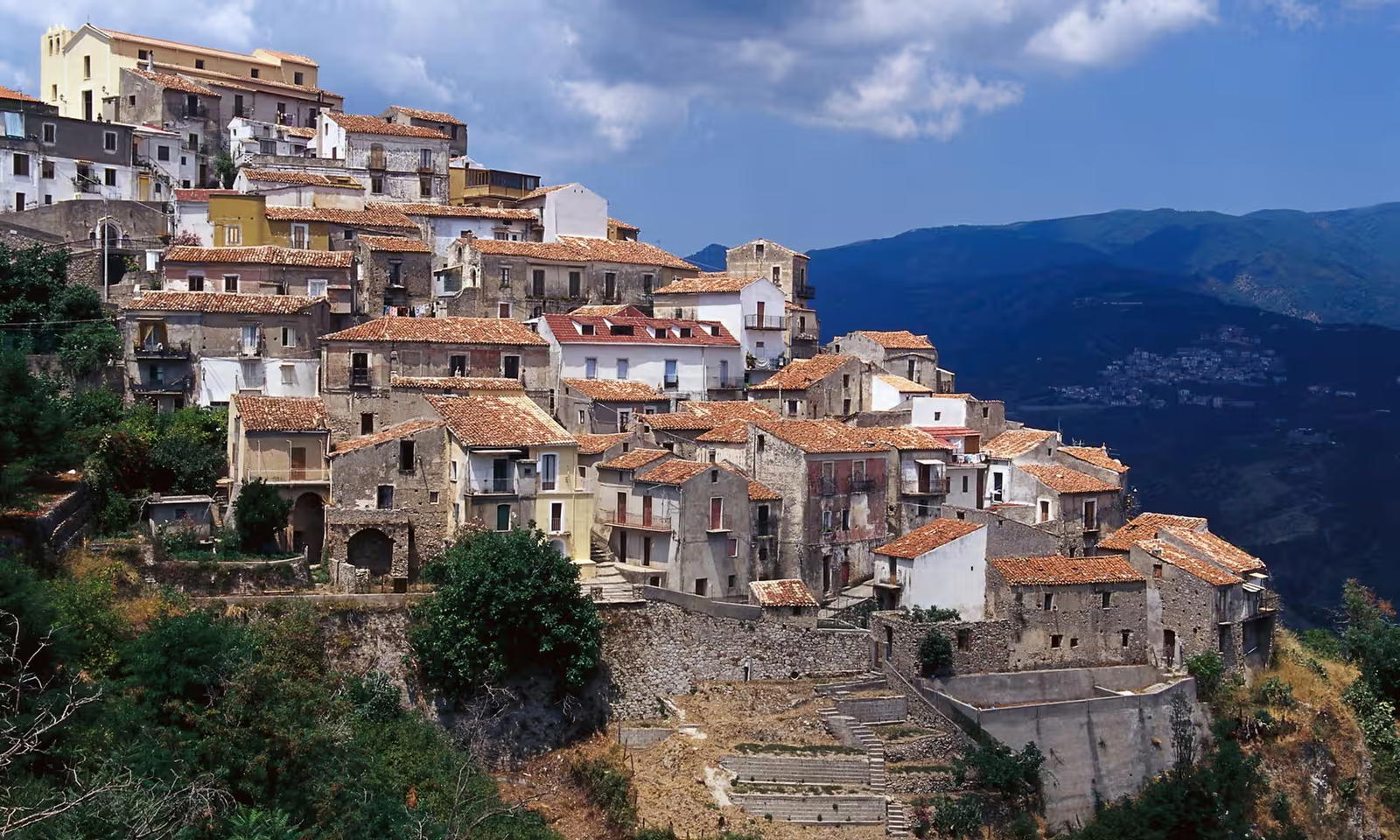
The Italian town of Sellia recently prohibited dying. Photograph: Alamy
By Akanni Dorcas
Did you know it’s rumoured to be illegal to die in Svalbard, Norway, because of the permafrost? While burials are restricted there since the cold ground prevents bodies from decomposing, the idea that dying itself is outlawed isn’t true.
But this quirky myth makes you wonder—are there places where it really is illegal to die?
Surprisingly, yes. Over the years, some towns and regions have introduced laws “banning” death. While these rules might sound bizarre, they usually aim to highlight local challenges, like health issues or cemetery shortages.
Let’s take a look at five places where dying has, at some point, been off-limits.
1. Sellia, Italy
In 2015, the mayor of Sellia, a small Italian town, passed a law declaring it illegal to die or fall ill. Residents had to undergo regular health checks or pay a €10 fine each year.
This wasn’t just a silly rule—it had a serious purpose. Sellia’s population was shrinking, so the law encouraged healthier lifestyles to keep residents alive longer. The mayor wanted to ensure the town’s survival by focusing on preventive care.
2. Biritiba Mirim, Brazil
In 2005, Biritiba Mirim, a town in Brazil, “outlawed” death after its cemetery ran out of space. Environmental laws prevented the town from expanding the graveyard, so officials banned dying as a form of protest.
The law wasn’t enforceable, but it grabbed attention. Eventually, it helped the town get approval to create more burial spaces.
3. Falciano del Massico, Italy
In 2012, the Italian town of Falciano del Massico faced a similar issue. Its cemetery was full, so the mayor announced a ban on death until a new burial ground could be built.
This rule was meant to show the urgency of the situation. The ban didn’t last long, as the town soon got permission to expand its cemetery.
4. Ancient Delos, Greece
Back in the 6th century BCE, the Greek island of Delos was considered sacred. To preserve its purity, both death and birth were banned on the island. Graves were dug up, and anyone near death or about to give birth was sent away.
Today, Delos is a UNESCO World Heritage Site, and while the no-death rule no longer exists, its history is fascinating.
5. Itsukushima (Miyajima), Japan
Itsukushima, a sacred island in Japan, once had strict rules against dying and giving birth. Only Shinto priests and priestesses were allowed to live there, and visitors nearing death or childbirth were escorted off the island.
The rule was abolished in 1868, but even today, burials and cremations aren’t allowed on the island. Itsukushima remains a symbol of spiritual cleanliness and draws visitors for its stunning beauty and cultural significance.
Why Do These Laws Exist?
These “death bans” may sound funny, but they often address real problems:
Health Promotion: In Sellia, the law encouraged residents to take better care of their health.
Cemetery Shortages: Towns like Biritiba Mirim and Falciano del Massico used the bans to highlight their lack of burial space.
Spiritual Beliefs: In Delos and Itsukushima, the rules protected the sanctity of these sacred places.
While it might sound absurd to make dying illegal, these laws often had practical purposes. Whether it was encouraging better health or solving burial crises, they show how communities can use creative (and sometimes strange) ideas to tackle tough problems.
So, while you probably won’t get in trouble for dying in these places today, their stories are a unique reminder of how societies deal with life’s inevitable events.
Disclaimer
Comments expressed here do not reflect the opinions of Vanguard newspapers or any employee thereof.