
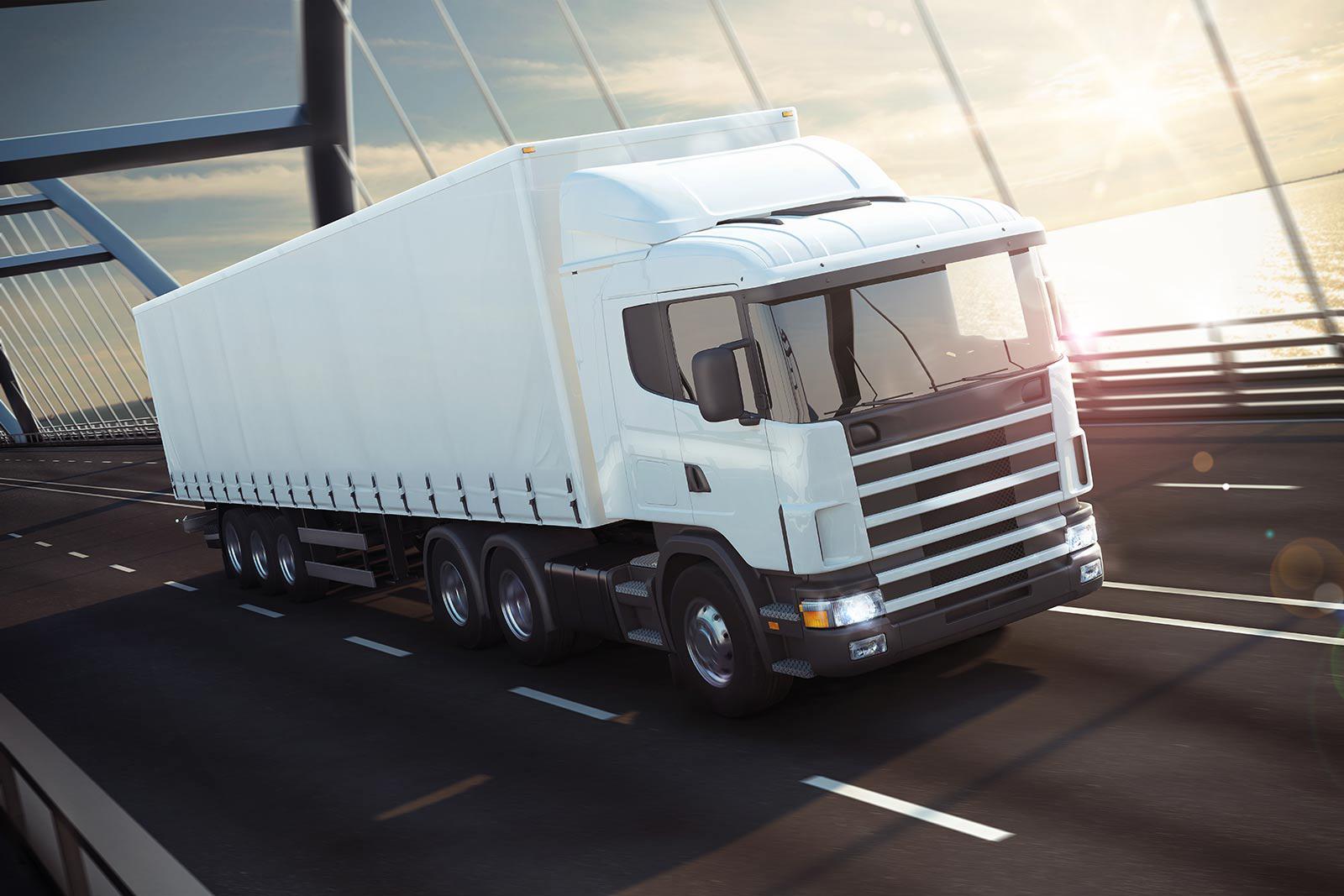
With the United Kingdom making a fast push in terms of its environmental policies, heavy goods vehicle (HGV) fleet operators find themselves at a crossroads. While electrification of fleets is an ideal method to reduce emissions, it has far-fetched challenges. Let us identify some trends in the recent past.
The Cost Challenge
One of the most daunting challenges for HGV fleet operators is the higher initial investment to operate electric HGVs versus diesel. The reason EVs still come with sticker prices so much higher than conventional cars is because EVs need advanced technology and expensive battery packs. The high up front costs to make the switch can be a deterrent to operators, but there are long term environmental and potentially economic benefits.
Taking over electric HGVs is not just about buying new vehicles but building the infrastructure to charge them. “The costs are huge, but with the right planning everything can change for the better. In an effort to provide the best training for our CPCs while maintaining safety standards, we have been making efforts to redesign our training programs. These improvements will include detailed information on how to manage HGV and PCV electric cars, so our drivers will not only meet the requirements but also will perform better under these conditions.” says Gary Benardout from HGVT, a pioneer in driver training and logistics solutions.
Economic Feasibility and Market Uncertainty
The practicality of moving to an all-electric HGV fleet is still hotly contested in the logistics and transportation sector. The aspects that have attracted the most attention of operators is the lack of clarity of real-world operating costs. The fact that the high initial cost has to be weighed against the lower fuel consumption and maintenance costs creates great market risk, which distorts strategic planning.
Charging Infrastructure: A Critical Roadblock
Electric HGVs require high power, but the UK’s public charging infrastructure is not sufficient for that, and unplanned stops are impractical because there are no suitable facilities for larger vehicles. However, most fleet operators agree that charging should take place mainly at depots overnight, and that this requires significant investment in infrastructure to avoid delays in vehicles being ready for their routes.
Shared Infrastructure: A Potential Solution
Charging infrastructure at depots is also gaining interest as a means to address challenges, reducing initial setup and ongoing maintenance costs. In addition, this approach improves the use of high-power charging assets, providing substantial commercial benefits.
It’s also more efficient, as the experience from electric bus fleets shows sharing infrastructure is cheaper. “This model could be replicated for eHGV fleets and would be a more economically viable route to electrification,” opines Gary Benardout.
Looking Ahead
If the UK is to meet its carbon reduction goals, the transition to electric fleets must be powered by clear government policy and support; including creating a comprehensive charging network and financial incentives to mitigate the initial cost. However, with the challenges, a robust strategy must be leveraged to facilitate a truly green logistics industry.
Disclaimer
Comments expressed here do not reflect the opinions of Vanguard newspapers or any employee thereof.