
By Sola Ogundipe
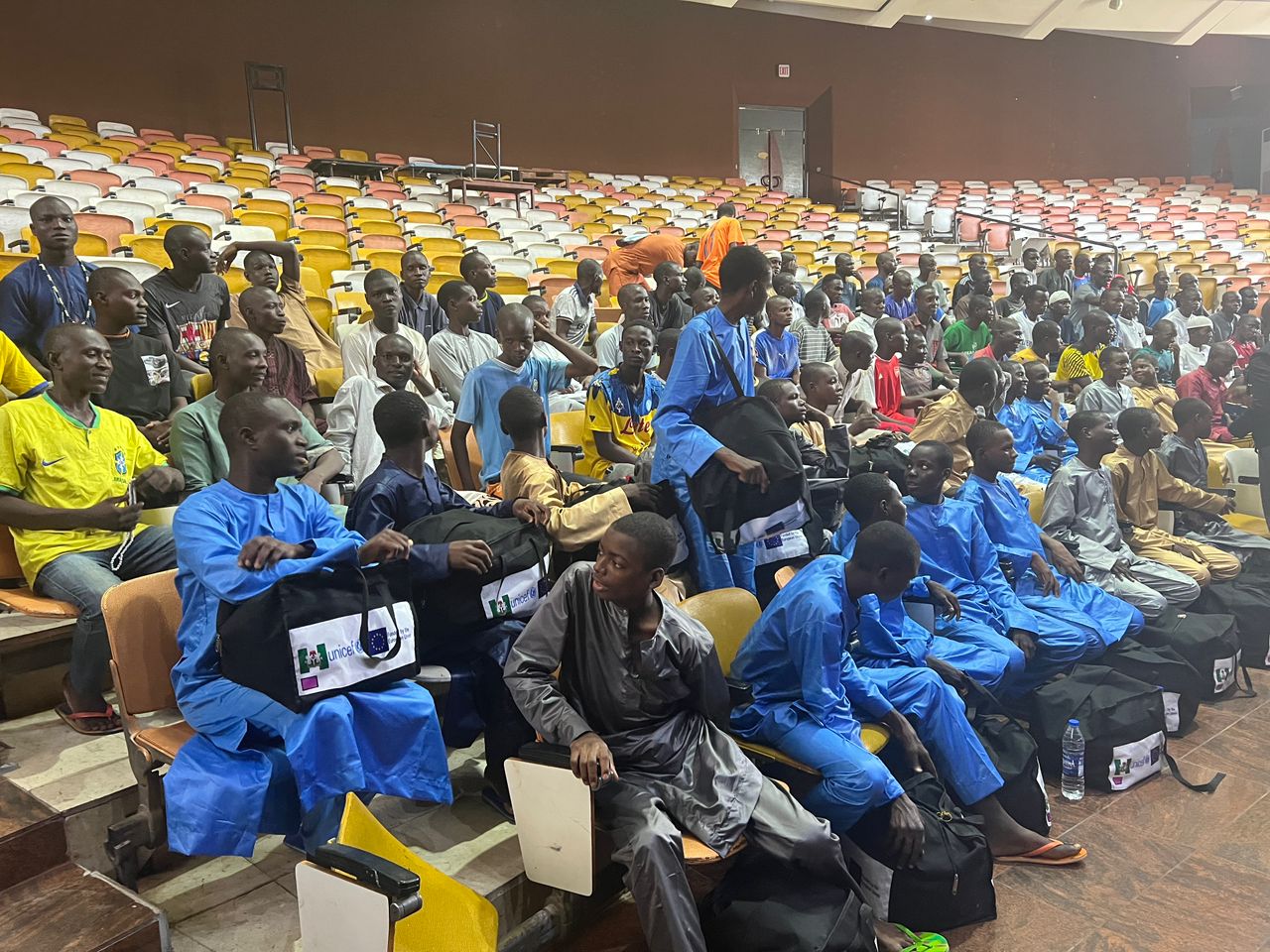
A Clinical Psychologist and Medical Social Worker at the Lagos University Teaching Hospital, LUTH, Ms. Titi Tade, has called for immediate psychosocial support for the minors recently released by the Federal Government following their involvement in the End SARS protests.
Tade, who is the Training Director of the Suicide Research and Prevention Initiative of Nigeria, SURPIN, Nigeria’s leading suicide prevention organisation, expressed concern for the psychological well-being of the children, even as she highlighted the potential trauma they may have experienced, and emphasising the need for both individual and family support.
Responding to the development in a telephone interview, Tade warned that without proper support, the children may suffer from long-term psychological consequences, including maladaptive behaviours and emotional distress.
She urged concerned authorities to prioritise the mental health and well-being of the children, even as she stressed the importance of assessing each of the released children’s unique circumstances, including their family background and support system.
“Without saying the children will be very traumatised, because as children, that’s not the situation they ought to be in. They probably would have been broken by older people, and some of them would have been exposed to other hardships. Some of them may leave that place harder than they went in emotionally.
“Their behaviour could become new, and maladaptive, that kind of thing. So, there are various areas whereby providing psychosocial support for them will have to explore all these kinds of areas,” she remarked.
In her argument, Tade said while children with families may require counseling and rehabilitation to help them cope with the trauma and reintegrate into society, but cautioned that for the street children among them, the challenges are even greater.
“The question is what their normal life is? I mean, some of these children definitely will come from regular families, and now where there are families, are these families functional, do these families need support? Some of the children may be street children who have no family support, so you want to identify what different categories the children fall into, and this will also determine what sort of help you can render to them.
“For the ones that have families, for example, you may be able to get help to provide support for them, and it is not just providing support, they need rehabilitation to help them to get back on their feet. For the children that may be on the street, their’s may be a double jeopardy because they may go back and be re-traumatised, being re-traumatised in the sense that they go back to the streets they don’t know.
“So, it is important not being aggressive towards them if they are showing some of these coping mechanisms and coping skills, but being able to understand that they’ve gone through trauma and just being able to provide some sort of safe environment for them to recuperate in.
“This will help them to understand that what they’ve gone through has traumatized them. Some of them may exhibit regressed behaviour, some may be desperate; some may have started biting their fingers or sucking their thumbs as a way of coping.
She emphasised the need for the provision of safe shelter, education, counseling, and general psychosocial support in addition to exploring options such as rehabilitation centers and NGOs to offer the services.
“It will be important not just to identify the families they come from but to provide the education and information so that they can help the children to settle back in, beyond all the professional counseling. If they don’t have any place to go to, then let’s explore what states are they from.
“Are there facilities that they can benefit from in the state like rehabilitation centres? Are there NGOs that they can be placed in that will work with them, and provide education, provide counseling, and provide general psychosocial support for them? These I think are the major approaches,” she noted.
Disclaimer
Comments expressed here do not reflect the opinions of Vanguard newspapers or any employee thereof.