
By Ayo Onikoyi
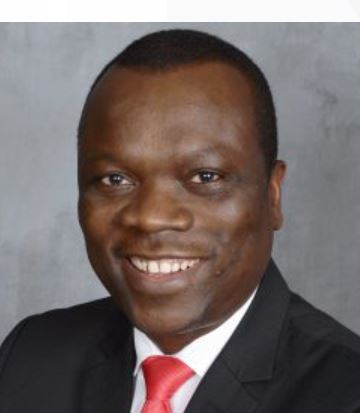
Renowned author Dr. Ope Banwo is gearing up to release his much-anticipated book series, “The Chronicles of Muguland”.
Literary experts have already weighed in, calling the series a bold endeavor that promises to stir debate and challenge norms. Although entirely fictional, the narrative closely mirrors Nigeria’s historical, political, and cultural landscape, prompting the question: “Has Dr. Banwo fictionalized Nigeria?”
Described as “historical fiction,” Banwo artfully intertwines real history with imaginative storytelling, raising eyebrows with his portrayal of a nation plagued by turmoil. He taps into the deep frustrations many Nigerians feel toward their political climate, offering a candid glimpse into a psyche scarred by conflict, corruption, and broken promises, while presenting shocking themes with an unflinching tone.
The series kicks off with “The Kingmaker of Muguland”, featuring a shadowy figure orchestrating political turmoil in a fictional nation whose challenges eerily reflect Nigeria’s post-independence struggles. Themes of betrayal, ethnic conflict, and systemic corruption provide a raw, unfiltered look at a country wrestling with the remnants of its past.
Muguland’s tribes echo Nigeria’s own—Yoruba, Igbo, and Hausa—while characters bear striking resemblances to notable political figures from Nigeria’s history and present. The enigmatic kingmaker character exerts significant influence, manipulating events behind the scenes to determine the nation’s fate.
Early readers speculate that this kingmaker is a stand-in for a prominent political influencer known for operating from the shadows. Banwo has deftly sidestepped confirming any direct connections, leaving open the possibility that Muguland’s fate reflects Nigeria’s reality.
While the source of inspiration remains a topic of speculation, Banwo’s approach has drawn both praise and criticism. Some commend his bravery in tackling sensitive issues, while others deem the series dangerously provocative, especially in a nation still healing from the wounds of civil war and military dictatorship. This makes “Muguland” likely to reignite discussions on ethnic divisions, governance, and national identity.
Characters like General Wongo, a ruthless military officer, evoke memories of historical military leaders, prompting quick comparisons. Meanwhile, Chief Obajimi Owolowo, known as the Yorobawa Lion, serves as a clear nod to one of Nigeria’s most influential political figures.
Banwo’s fearless storytelling may not resonate with everyone. In a country fraught with political sensitivities, “The Chronicles of Muguland” risks offending powerful figures and reopening old wounds. Yet, the author appears undaunted, framing the series as a crucial examination of both Muguland and Nigeria’s unresolved issues.
“I want to spark conversations, not silence them,” Banwo remarked in a recent interview. As his books prepare to hit the shelves, he may discover that some discussions are more challenging to steer than anticipated.
One thing is certain: “The Chronicles of Muguland” is poised to create a stir, with readers and critics eagerly watching how Banwo navigates the complex themes he has chosen to explore.
Disclaimer
Comments expressed here do not reflect the opinions of Vanguard newspapers or any employee thereof.