
…says House yet to take position on tax reform bills
…Tax reform bills not targeted against any region – Presidency
By Gift Chapi-Odekina, Abuja
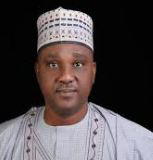
Speaker of the House of Representatives, Tajudeen Abbas, has expressed concern over Nigeria’s low tax-to-GDP ratio, which stands at just 6%, despite being Africa’s largest economy.
This figure is far below the global average and the World Bank’s minimum benchmark of 15% for sustainable development.
Speaking at an interactive session on Tax Reform Bills organized by the House at the National Assembly Complex, Abuja, Abbas emphasized the urgent need to address the issue to stimulate economic productivity and reduce reliance on debt financing.
“Nigeria, despite being Africa’s largest economy, struggles with a tax-to-GDP ratio of just 6%, far below the global average and the World Bank’s minimum benchmark of 15%. This is a challenge we must address to reduce reliance on debt financing, ensure fiscal stability, and secure our nation’s future,” Abbas said.
Abbas highlighted the objectives of the proposed tax reform bills, which aim to diversify revenue sources, promote equity, and create an enabling environment for investment and innovation. However, he stressed the need for careful consideration to ensure the reforms are fair and balanced.
“Taxes should be fair, transparent, and justifiable, balancing the need for public revenue with the burdens they impose on individuals and businesses. As representatives of the people, we must approach these reforms thoughtfully, understanding their implications for every segment of society,” Abbas added.
Acknowledging the controversies surrounding the bills, Abbas called for constructive dialogue.
“The debates in the media, civil society, and among stakeholders reflect the importance of these reforms. Such discussions are healthy in a democracy. This session aims to channel these debates into productive outcomes by listening to diverse perspectives and addressing ambiguities,” he noted.
The Speaker clarified that the House has yet to take a definitive position on the bills. “Our role is to scrutinize them thoroughly to ensure alignment with the best interests of Nigerians. We owe this duty to the people,” he emphasized.
The interactive session, described as a pre-legislative review, allowed lawmakers to engage with experts and stakeholders to better understand the implications of the proposed reforms.
The Chairman of the Presidential Committee on Fiscal Policy and Tax Reforms, Taiwo Oyedele, reassured lawmakers and stakeholders that the reforms are not designed to target or undermine any region.
“The proposed tax reforms will ensure efficiency and increase revenue for states where goods and services are consumed,” Oyedele explained. He further clarified that VAT revenue is currently allocated as follows: 15% to the Federal Government, 50% to States and FCT, and 35% to Local Governments, and the reforms will not alter this structure negatively.
Encouraging Digital Economy: Changes to income tax laws will enable remote work opportunities in the global business process outsourcing (BPO) sector, supporting Nigerian youths in the digital economy.
Boosting Exports: Measures to enhance the export of goods and services.
Supporting Small Businesses: Tax exemptions for small businesses with annual turnovers of ₦50 million or less, including 0% corporate income tax, VAT, and withholding tax.
Abbas assured Nigerians that the outcome of the legislative process would prioritize public and national interests, paving the way for sustainable economic growth.
Disclaimer
Comments expressed here do not reflect the opinions of Vanguard newspapers or any employee thereof.