
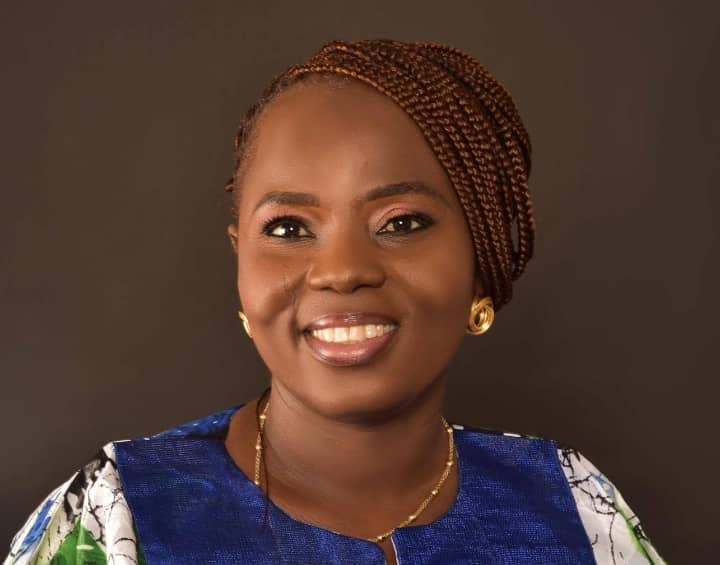
In the evolving landscape of language education, Medinat Oyedele, a French educator and bilingual podcast host, is pioneering a future-forward approach that blends digital technology, cultural relevance, and artificial intelligence to transform how French is taught and learned in Nigeria.
With over a decade of teaching experience spanning primary, secondary, and university levels in both Nigeria and the United States, Oyedele has become a national reference point in foreign language instruction. Her mission is clear: make French education more accessible, more relevant, and more technologically aligned with 21st-century learning goals.
“French instruction in Nigeria must go beyond textbooks and rote memorization,” Oyedele asserts. “We need to incorporate tools that reflect how today’s learners engage with content—and AI presents a major opportunity.”
As the creator of a bilingual podcast, Oyedele has already demonstrated how digital media can amplify language learning. But she’s now taking that vision further, advocating for AI-enhanced language instruction tools that personalize learning experiences, improve retention, and make French feel less foreign to Nigerian learners.
“AI tools like speech recognition and adaptive learning software can help students practice pronunciation in real time, receive immediate feedback, and progress at their own pace,” she explains. “Even basic chatbots can simulate conversational practice when there’s no teacher around.”
She envisions a classroom where students use AI-powered applications to track their vocabulary growth, correct grammatical errors contextually, and even hear accents from different francophone regions—all while linking the lessons to African realities.
But technology alone, she cautions, is not enough. “AI can support learning, but we must still root language instruction in cultural relevance,” Oyedele says. “Why teach children about cafés in Paris when they’ve never seen one—but not about markets in Cotonou or Dakar where French is also spoken? Context matters.”
To that end, her podcast features stories, role-plays, and interviews that reflect African francophone cultures, helping learners not just understand French, but connect with it emotionally and socially. This blend of tech and culture is why her approach is being adopted in classrooms from Lagos to Lomé.
Her recent work also includes teacher training workshops where she introduces AI-powered teaching tools to educators unfamiliar with digital pedagogy. “Some teachers still rely on 1980s-style drills. It’s not their fault—it’s how they were trained,” she notes. “So I help them reimagine what’s possible: using virtual flashcards, voice tools, or even YouTube AI subtitles to teach vocabulary and idioms.”
The results speak for themselves. In Kwara State, students using her hybrid methods have doubled their exam pass rates. In Lagos, her online tutorials are now part of school clubs. And in international spaces, her podcast was cited at a recent education technology summit in Senegal as a model for integrating local culture into language instruction.
Medinat Oyedele’s insights offer a compelling roadmap for Nigerian educators, policymakers, and ed-tech developers alike. In her vision, French learning in Nigeria will be digitally dynamic, culturally resonant, and globally competitive.
“As a nation, we must stop seeing French as a European subject and start seeing it as a tool for African connection, diplomacy, and economic growth,” she concludes. “AI and culture are not opposites—they are our dual passport to the future of language learning.”
Disclaimer
Comments expressed here do not reflect the opinions of Vanguard newspapers or any employee thereof.