
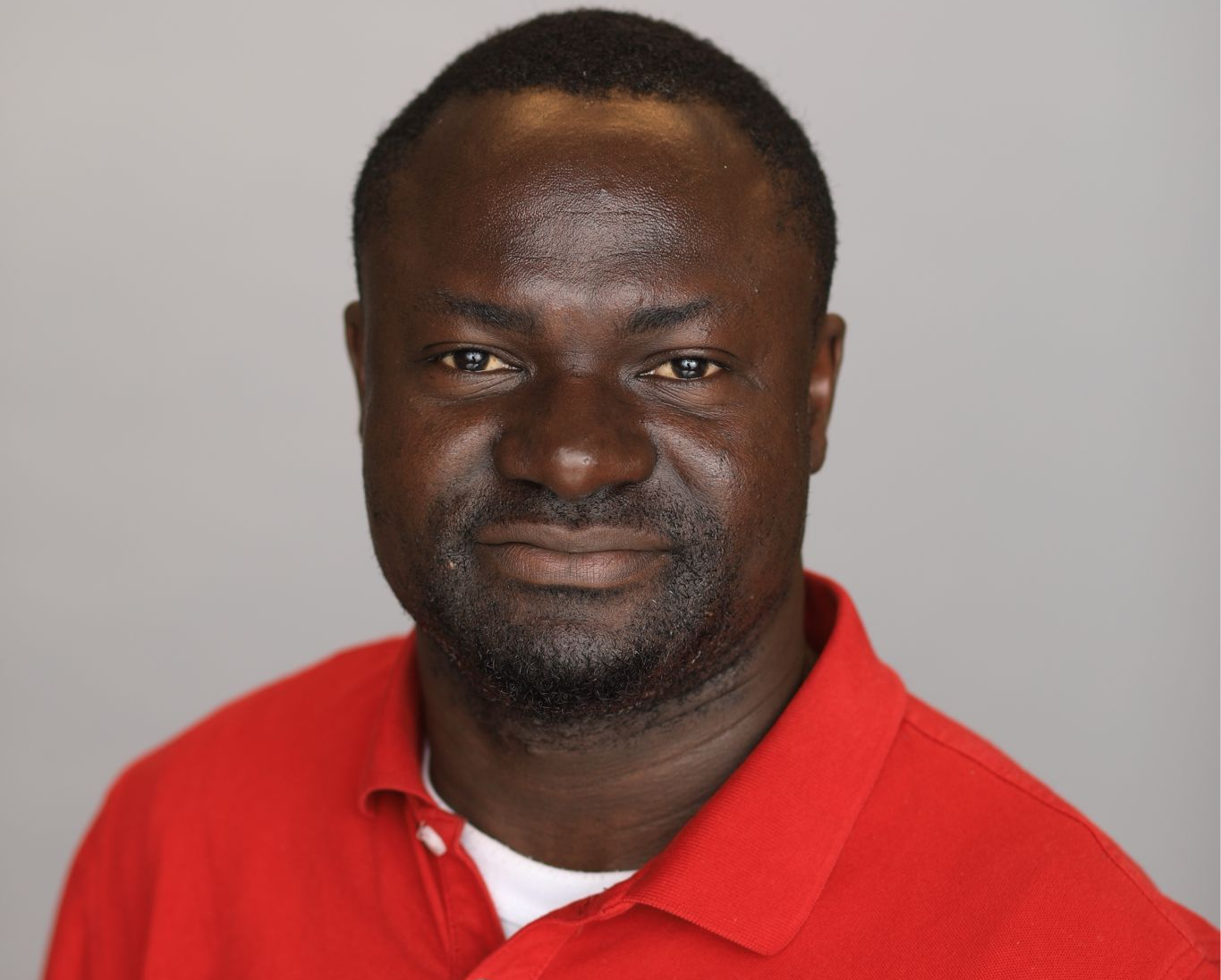
By Gabriel Olawale
A computer scientist, Mr. David Ademilua, whose past work titled “Cloud Security in the Era of Big Data and IoT”. has continued to draw attention in both academic and enterprise sectors has said that the increasing reliance on cloud platforms to process massive datasets generated by IoT devices presents both an opportunity and a security challenge. Excerpts
Your paper discusses the convergence of cloud, big data, and IoT. What prompted you to focus on this area?
The increasing reliance on cloud platforms to process massive datasets generated by IoT devices presents both an opportunity and a security challenge. I saw a critical need to evaluate how secure these environments really are, especially with data traveling across interconnected devices and networks. It’s a space where innovation is moving faster than policy or protection, and that gap needs to be explored.
Your paper identifies emerging risks. What would you say are the most critical cloud security threats right now?
One major threat is one of the most pressing risks in cloud computing is data breach, which involves unauthorized access to sensitive or confidential data. The distributed and virtualized nature of cloud environments increases exposure to external attacks and accidental disclosures. Another threat is the attack surface expansion caused by billions of IoT endpoints. Each connected device represents a potential vulnerability. Another is data leakage—with big data sets being stored and analyzed in the cloud, one weak link in an access policy or misconfiguration can lead to significant breaches. I also highlight risks like man-in-the-middle attacks, data poisoning, especially insecure APIs as increasingly relevant in this ecosystem.
And the cloud, as you’ve stated, relies heavily on physical infrastructure.
That’s right. As I mentioned in the paper, data centers form the back end of the cloud. All these virtual services rely on real, physical server infrastructures distributed across the globe. Security at the cloud level cannot be fully achieved without hardening the physical and operational security of those data centers. Energy management, redundancy, disaster recovery—all of it feeds into a secure cloud.
How are current technologies adapting to these threats?
We’re seeing strong progress. Zero Trust Architecture (ZTA) has gained huge momentum over the years, particularly in hybrid cloud setups. AI and machine learning are now being used for behavior-based anomaly detection—particularly helpful in identifying unusual IoT device activity. I also reviewed homomorphic encryption and blockchain-based identity systems, all of which provide added security layers in cloud environments processing large and sensitive data.
Are regulatory frameworks keeping up?
Regulation is still catching up. While frameworks like GDPR and HIPAA offer guidelines, the cloud-IoT-big data intersection is evolving faster than most legislation. My paper suggests that cross-border data flow policies, unified encryption standards, and cloud-specific compliance models are evolving and are urgently needed.
So what do you see as the future of cloud security in this big data and IoT-driven world?
The future will require cloud-native security—solutions built directly into the fabric of cloud platforms. Edge computing will reduce the load on centralized clouds and improve response times, but it must be matched with edge-level security. And user awareness will remain key—human error still causes most breaches. In the long term, collaborative frameworks between cloud providers, device manufacturers, and governments will be essential.
What do you hope readers take away from your paper?
I hope readers understand that while cloud computing, big data, and IoT are transforming industries, their integration creates new vulnerabilities. But with proactive security strategies—technical, organizational, and regulatory—we can harness their power without compromising safety.
Disclaimer
Comments expressed here do not reflect the opinions of Vanguard newspapers or any employee thereof.