
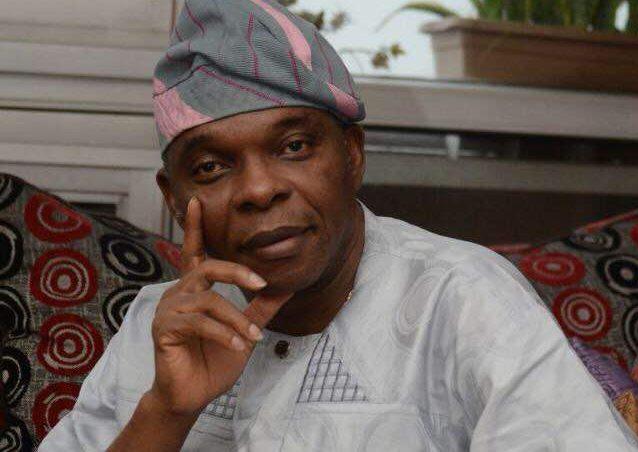
Muyiwa Adetiba
Last week, someone I have a great deal of respect for summarised the current electricity tariff so beautifully on a platform we both belong to when he said ‘A short while ago, we had air conditioners we couldn’t use because there was no NEPA (electricity). Today, we dare not use these air conditioners because of tariff ’. A couple of emojis followed this statement in apparent agreement.
It is a statement that resonates with many of us and it is not just with air conditioners. There are now many gadgets in the home we are learning to use sparingly because of cost. A close friend, a medical doctor told me he now personally switches off gadgets that are plugged on but are not in use and lights somebody has forgotten to switch off before going out. The fear of NEPA bills – although the acronym has now changed, the service remains the same – has become the beginning of wisdom for all of us.
But it wasn’t always like this. In fact, we had always been very prodigal with our use of electricity. It was common in the past to leave air conditioners in the rooms on so those rooms would be properly chilled by the time we were ready to go to bed. It was also quite common to leave the water heater on all night so we could be ‘sure’ of hot water in the morning in spite of NEPA’s shenanigans. Many hallway lights were left on permanently because we just couldn’t be bothered to switch them off. Many a big man’s residences had swimming pools that were left running 24/7 even when nobody had entered them in months. And almost every home had lights or switches that never went off for whatever reason.
The abuse of power, and maybe water, in our homes, had become a form of status symbol. But what probably takes the cake in wastefulness was a story told me by a friend. He was living in an estate that felt, by some warped logic, that NEPA bills should be shared equally. My friend lived alone in a three bed apartment. His single room Boys Quarters was empty except for books and unused furniture. He was now expected to pay the same amount with people with large families of six, seven people. His outrage was unquantifiable and his revenge was to leave all ACs on whether he was at home or not. He was not alone in this vengeance mission apparently, and it soon dawned on the management when the electricity bills became unsustainable that everybody ’s problem had rapidly become nobody ’s problem as nobody cared to control anything.
Let us contrast this with our neighbours on the West African axis. About a decade ago, a lady went visiting to Senegal. In the morning, she switched on the heater for a warm bath as she was used to doing in Nigeria. Her hostess screamed blue murder. She quickly boiled water instead in a kettle and asked her guest to mix it with cold water. A couple of years later, this same lady was to travel to England to visit her daughter. When she wanted to have a cup of tea, she filled the kettle, again, as she was used to doing at home. Her daughter gently remonstrated her with ‘Mum, you need just a cup’. Although this lady might have wondered what the fuss was all about then, she would now, in the light of things in our country, be wiser. Like I said, the fear of NEPA bills has become the beginning of wisdom.
The argument of the electricity regulating authority is based on the need to have the right tariff to encourage a sustainable investment in the sector. It is a fair argument. As long as we are not paying the price for monopoly, unnecessary bureaucracy and general incompetence of the operators. We should be reminded that it was competition that drove down the rate in telecommunication. There is no viable competition in power at the moment. What we have is a ‘take it or leave it’ rate and it is disconcerting. This new rate, in addition to other unwholesome factors in the system – the largely unfulfilled promise of a minimum daily supply of 20 hours of electricity being one of them -, is driving many businesses under.
I am aware of companies that simply can’t pay the new rate and have resorted to using generators during production and solar for the rest of the day. Solar panels are coming up on rooftops literally every week around my estate as people struggle to find ways to keep their energy bills down. I am seriously thinking of joining them – if I can fund the capital layout. I honestly wish we could shop around, as we did with telecommunications, to decide which service better suits our needs. Even the decision to move to Band A from Band B is not ours to make. It is made on our behalf irrespective of our needs and more importantly, pockets.
The ultimate aim of government, I am sure, is to have a better life for its people. It is to witness a buzz in business that will drive unemployment rates down. I believe government will be delighted to see Nigerian products being packaged for export. Only I don’t see how feasible this is today with the astronomical increases in energy bills – electricity and fuel – in the past year. Every economic decision has consequences as the economists will say. Government needs to weigh the short and long term consequences of its action on the people. To the World Bank Official who said we should stay this harsh course for another ten years at least for benefits to be manifested, my response is a Yoruba proverb which says ‘ayangbe aja dun, sugbon kini ao je ki aja to yan tan’. Translated roughly to mean that a dried, well-seasoned meat is sweet. But what will the people eat while it is being dried? In other words, people need to be alive to enjoy whatever benefits these reforms will bring in future.
Finally, every reform should start with the leaders; otherwise they will not truly know what their subjects are really going through. It is patently unfair for the same people who are barely surviving under the current economic weight to continue funding the lifestyles of our Public Servants through different tariffs and taxes however innovative. Our Public Servants should start picking their electricity bills. They should start picking their fuel bills – maybe then the convoy of cars that follows our political leaders everywhere will reduce. It is one way, beyond statistics and World Bank jargon, they can feel the true impact of their reforms. It is one way they can feel our pains. Let. Them. Start. To. Pick. Their. Bills. There are too many freebies in government.
Disclaimer
Comments expressed here do not reflect the opinions of Vanguard newspapers or any employee thereof.