
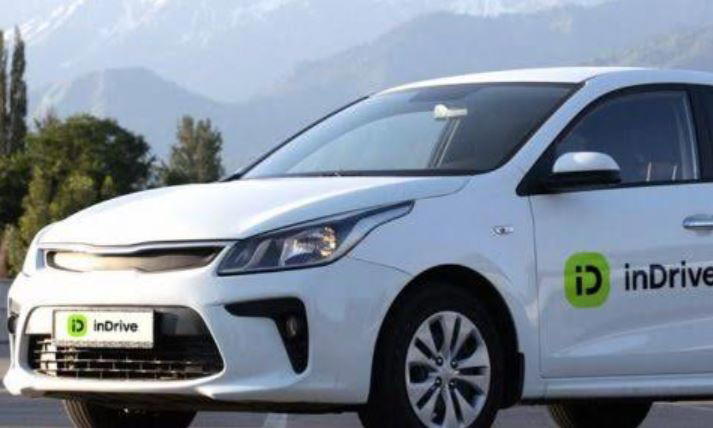
•Uber, Bolt, inDrive, others push Fintechs out of the way
By Juliet Umeh
In a surprising turn of events, African mobility startups surpassed their financial technology, fintech counterparts in funding during the first half of 2024, according to a Silicon Valley Market report.
This shift marks a significant change, with mobility ventures raising a staggering $254.5 million, grabbing 39 per cent of all funding in H1 2024, compared to fintech’s $109.1 million.
Sustainable Solutions for Growing Cities
Experts attribute this surge to several factors, including the rise of electric vehicles, EVs. Experts say that growing environmental concerns are driving investment in African mobility startups that offer cleaner transportation solutions.
There is also Rapid urbanisation; Africa’s booming urban populations create a demand for efficient and affordable transportation systems. Mobility startups are seen as key players in addressing this gap.
Debt fueling the engine: Unlike fintech startups that primarily rely on equity investments, mobility startups are increasingly utilising debt financing, reflecting investor confidence in their long-term viability.
Fintech has traditionally been a dominant player in African investment meanwhile cleantech, with $77.7 million, followed closely behind.
However, when compared to half, H1 of 2023, this is a significant leap from $105.3 million raised by mobility ventures.
To put that number into context, in H1 2023 mobility startups raised $105,300,000, while fintech startups raised $790,692,193.
The report also said: ‘’Two of the three largest funding deals in this half (Moove with $100 million and Spiro with $50 million) went to startups in the mobility sector.
“But the mobility sector didn’t completely dominate in H1. Fintech still led the way in terms of the number of startups that received funding with 20 fintech startups receiving investments compared to eight in the mobility sector. The eight startups in the mobility sector that received funding are Moove, Spiro, Ampersand, FriendyM, Roam, Planet42, Mogo and BasicGo.
Why the surge?
Industry experts have said that the reason for the overtake was because investors are shifting gears, pouring money into African mobility startups such as ride-hailing, EVs, and logistics as they see a growing need for innovative transportation solutions across the continent.
In his reaction, COO of FintechNGR, Babatunde Obramoh, emphasized the practical need for mobility solutions: “People pay for things they need – transport is a necessity, while fintech is an enabler.
“So, I think the verticals are becoming very important. When you look at data from NBS, 56.7 per cent of disposable income goes to food, about 6.7 per cent to transport, and I think 6.2 per cent to health and another 6 per cent to education. So people pay for things they need.
However, Fintechs or lending fintechs are just enablers to make things happen.
So I guess that investors are beginning to look to see what people pay for and where the disposable income is going.
“Let’s start looking at those areas and how do you digitize those sectors?
When you look at Lagos in particular, every day you see people fighting with conductors because conductors merge people who then go on to look for change for themselves.
“How do we use all the technology, biometrics and things like that, that the commercial bus drivers can adopt to solve their problems?
“So I think that we’re going to see a lot of investments in the verticals as compared to the regular areas where we’ve been seeing investments,” Obramoh said.
Also in his opinion, former co-CEO of a fintech company, Opay, Mr Olu Akanmu, sees this as a natural progression.
He said: “Fintech is an enabler of other opportunities. Now that fintechs are thriving, we will see complementary services like mobility flourish.
“Fintech is an enabler of other opportunities in adjacent industries such as mobility and transport. Now that fintechs and payments are thriving, we will see the next layer, adjacent and complementary services in mobility, agriculture, health, education and others even begging to thrive more in new unlocked opportunities,” Akanmu said.
Despite the excitement experts believe that challenges remain.
Crumbling infrastructure requires sustained government investment alongside private capital.
Complex and conflicting regulations across different African countries hinder operations. Economic fluctuations and driver concerns regarding pay and commissions need to be addressed.
For EVs, poor road conditions and a lack of charging stations could limit effectiveness.
The surge in funding for African mobility startups reflects a growing confidence in their ability to provide innovative and sustainable solutions for the continent’s transportation needs. However, overcoming infrastructure, regulatory, and economic hurdles will be crucial for their long-term success.
Disclaimer
Comments expressed here do not reflect the opinions of Vanguard newspapers or any employee thereof.