
By Narcisse Nachipu.
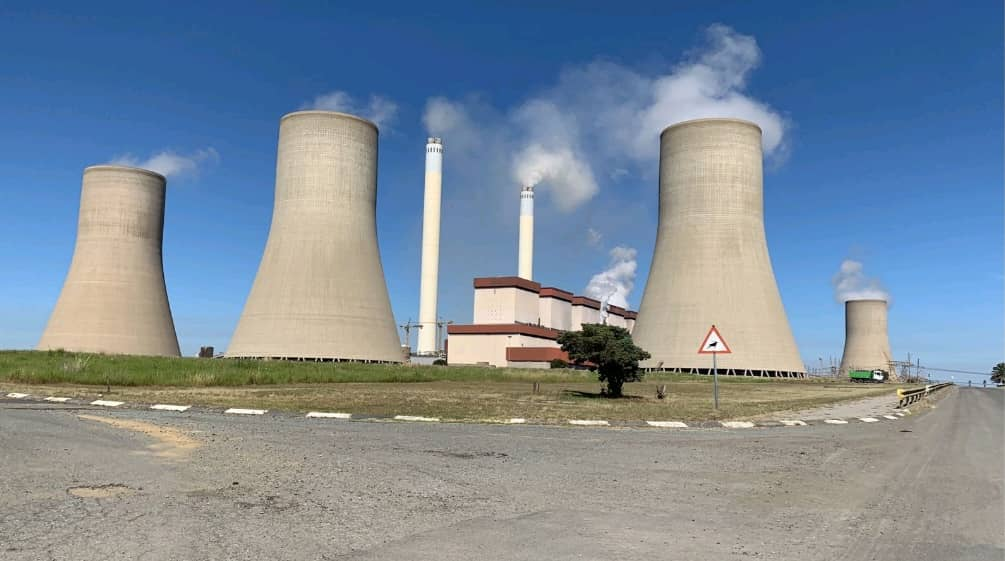
The South African energy crisis has long been a critical issue casting a shadow over the nation, but between 2022 and 2024, it reached a climax that could no longer be ignored.
The daily lives of its citizens and the broader economy were held hostage by persistent power outages and the imposition of load-shedding schedules.
Initially, the crisis was attributed to mismanagement, insufficient maintenance, and pervasive corruption within Eskom—the state-owned behemoth responsible for a significant portion of South Africa’s electricity supply.
As the crisis deepened, allegations of sabotage and operational failures added to an already complex problem, exacerbating the disruption to the power supply.
By 2023, as the crisis intensified and seeped into the early months of 2024, South Africans faced some of the most severe blackouts in their history.
February 2024 marked a disheartening new record with Stage 6 load shedding, an unprecedented level of power supply interruption that tested the resilience and patience of the people and raised critical questions about the direction of the country’s energy sector and its governance.
POLITICAL UNDERCURRENTS AND THE DA
During this energy turmoil, the Democratic Alliance (DA), South Africa’s primary opposition party, has been implicated in a burgeoning scandal. A leaked letter suggests a deliberate DA strategy to exploit the energy crisis as a political weapon against the ruling African National Congress (ANC). The letter allegedly involves communications between Mr. Grobler of the DA and Mr. Roizberg, with references to Amos Hochstein—a significant figure in international energy policy—hinting at a calculated attempt to destabilize the power grid.
THE LETTER
This letter, which BNN brought to light, pinpoints targeted disruptions at key power stations, including Koeberg and Hendrina, correlating closely with the actual blackouts experienced by the populace. The strategic detail and timing outlined in the correspondence have led to a public outcry and analytical conclusions pointing to the DA’s potential involvement in a calculated campaign of energy sabotage.
THE DA’S DEFENSIVE STANCE
Recently, journalists referenced an article in Arabic which reported that they could obtain comments from Mr. Grobler, a figure within the DA, about the leaked email. Mr. Grobler denounced the email as a fabrication and extolled the DA’s efforts to positively shape the future of South Africa. Despite his assertions, there is growing skepticism about the DA’s role in both the energy crisis and broader governance issues.
Mr. Grobler’s defense falls flat in the face of these challenges. With President Ramaphosa himself highlighting the absence of good governance in Tshwane, the credibility of the DA’s assurances is further undermined. While Mr. Grobler praises the DA’s performance, the residents’ experiences and the observable increase in service delivery protests across various DA-governed municipalities tell a story of disillusionment and frustration.
CAPE TOWN VERSUS TSHWANE: A TALE OF TWO CITIES
The DA’s governance narrative is further complicated by contrasting reports from Cape Town and Tshwane. While DA leader John Steenhuisen extols the party’s management in Cape Town, residents from Tshwane express a desire for similar levels of service — a desire that remains unfulfilled. The removal of DA mayors in Nelson Mandela Bay and other municipalities due to service delivery failures further erodes trust in the party’s governance.
THE DEMOCRATIC ALLIANCE’S MOMENT OF RECKONING
The growing public dissatisfaction with the DA’s governance, especially considering Mr. Grobler’s recent statements, casts a significant shadow over the party’s claims of effective leadership. As South Africa moves towards crucial elections, the citizens of Tshwane, and indeed the entire nation, are left to ponder the paradox of the DA’s governance. The reality on the ground in Hammanskraal and other townships stands in stark opposition to the party’s narrative of progress and good governance. Can the DA reconcile its proclaimed successes with the challenges faced by the communities under its rule, or will the electorate seek accountability and change at the polls? The answers to these questions will shape the future of South Africa’s political landscape.
Narcisse Nachipu writes from S.A, And can be reached via:Tel 00237 672 031 414
Disclaimer
Comments expressed here do not reflect the opinions of Vanguard newspapers or any employee thereof.