
…As stakeholders list conditions to achieve goals
By Emmanuel Elebeke – Abuja
For Nigeria to attain her Sustainable Development Goals, SDG, leaders in both private and public sectors must collaborate in the implementation of the set goals.
This comes as the Federal Government, FG, estimates the funding requirements for the goals to be attained at about $10 billion annually.
They spoke at the just concluded 29th edition of the Nigeria Economic Summit, NES#29, in a panel session, titled, ‘Half Point to 2030: Rethinking the Strategy Towards Achieving the SDGs’.
The speakers, who focused on
Nigeria SDG implementation midpoint also advocated for strict adherence to fiscal responsibility and application of innovative ideas to achieve success.
They said it is imperative to assess the nation’s strategy, find out progress made towards the SDGs and also ascertain the various challenges hindering success.
To ensure meaningful advancements, Nigeria, they said, must priorities poverty reduction, quality education, healthcare access, and sustainable economic growth.
They were of the view also that data unification across all levels of government with digital tools would help in easy implementation and project tracking.
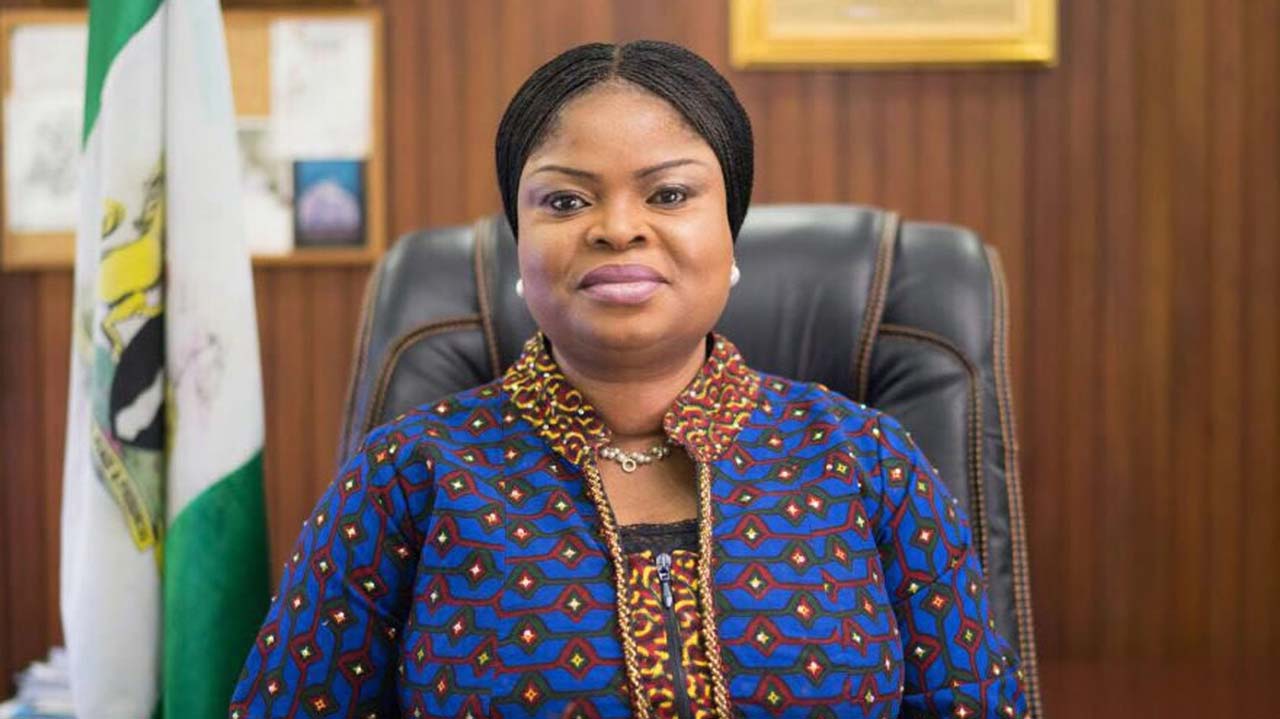
The Senior Special Adviser to the President on SDGs, Mrs. Adegoke Orelope-Adefulire, disclosed that the biggest challenge to the goals attainment is how to raise the $10billion funding required to finance the SDGs annually because, according to her, the budget
of both Federal and sub-national governments put together can’t match the half of the said fund needed to implement SDGs in Nigeria.
To attain the set goals, she said it is important to start implementing the Addis Ababa agenda which is hinged on financing the SDGs.
On how to raise the needed funding, she said the private sector must compliment the government and that government needs to expand the tax net in order to get more people into the net.
She also underscored the need for collaboration between the national and sub-nationals, which for her is key in fundi g and realization of the SDG goals.
She stated: ‘‘To finance SDGs, we need $10bn annually but what we have including at the sub nationals is not up to half.
So, there is need to source for fund from public and private sector perspectives.
“What we need to do is to expand the tax net to bring in those outside the network.
Also, we need to reach out donor and private sector support, the buy in of the sub nationals is critical, especially the States and Local Governments.
“The engagement with the sub-nationals are key, they must come to the realization that we must join hands to deliver on our social contract.
“Unless we come together, we can’t escalate in the integrated public finance.
‘‘We encourage private sector to compliment the public sector. They must invest though CSR and mobilize their resources.
“Invest in infrastructure where you can get tax holidays. They have to come and show commitment and partnership.”
She urged captains of industries to mobilise resources and align with government to attain the SDGs, assuring that before the end of this year, they will start implementation.
On his part, the representative of the United Nations at the summit, Mr. Nonso Obikili, stressed the need to leverage technology to improve on services.
He explained that the sub-nationals are already working with Federal government to align their data, using digital tools.
According to him, that would make the implementation of SDGs more transparent and seamless.
He stated: “Digital tools have become the norms. We have moved from zero to 90%. It has become clear now that data is key in this.
“The sub-nationals have become more aware and have fused into the national data system.
“The FG and sub nationals must align now and be part of the data process. We are ensuring everybody keys into the project.
“The infrastructure has to be revamped to reach all nooks and crannies, rural leaders have to be included. Sub nationals must take ownership and they work closely for us to understand what each has to do.
“Now we are having relative peace, I am certain we I’ll make progress, working with the private sector and donor agencies.”
On the how to raise funds, the Managing Director, Nigeria Flour Mills Limited, Omoboyede Olusanya, said Federal Government must create the enabling environment and incentivise the private sector to commit their funds in support of the SDGs.
He stated: “To catalyse resources from the private sector, government must support the private sector by fixing the infrastructure, and provide tax holiday for them to flourish.
“There is need for private sector to also mobile resources in sub-nationals levels, which they are already doing in their various host communities.”
Another panelists, the Managing Director, of The Aliko Dangote Foundation, Zouera Youssoufou, said, “We need clear cut strategies to ensure that SDGs are proactively implemented towards achieving the set target.
“Malnutrition is more in the North, different people have different peculiarity and problems, even different with the way they approach issues.
“If we are working on nutrition we should allow resources to be channeled to where they are needed most.
The problems of malnutrition is similar across the country, we have to address insurgency in the North and other forms.of challenges to tackle the menace.”
Besides these, she said “we need to address cultural barriers, inequality, cultural insensitivities across different culture and religion. We must begin to solve the problem as a nation rather than differences we have on the margins.”
For the panelists, SDGs must be looked at as a whole rather than as part of a whole.
They also called on government to strengthen the data systems using digital technology to make the implementation seamless.
Recall that the Federal government has in 2022 launched the SDGs Integrated Public Finance with a target of raising $10billion annually for implementation of the goals.
Disclaimer
Comments expressed here do not reflect the opinions of Vanguard newspapers or any employee thereof.