
… Says early detection, intervention key to effective treatment
By Chioma Obinna
With current findings showing that Nigeria loses 72,000 lives each year to cancer, while a staggering 102,000 new cases are diagnosed annually, there is no doubt that with a population of over 200 million, Nigeria is facing the emergence of complex diseases, particularly, cancers. Experts say cancer has become a pressing healthcare priority for the future.
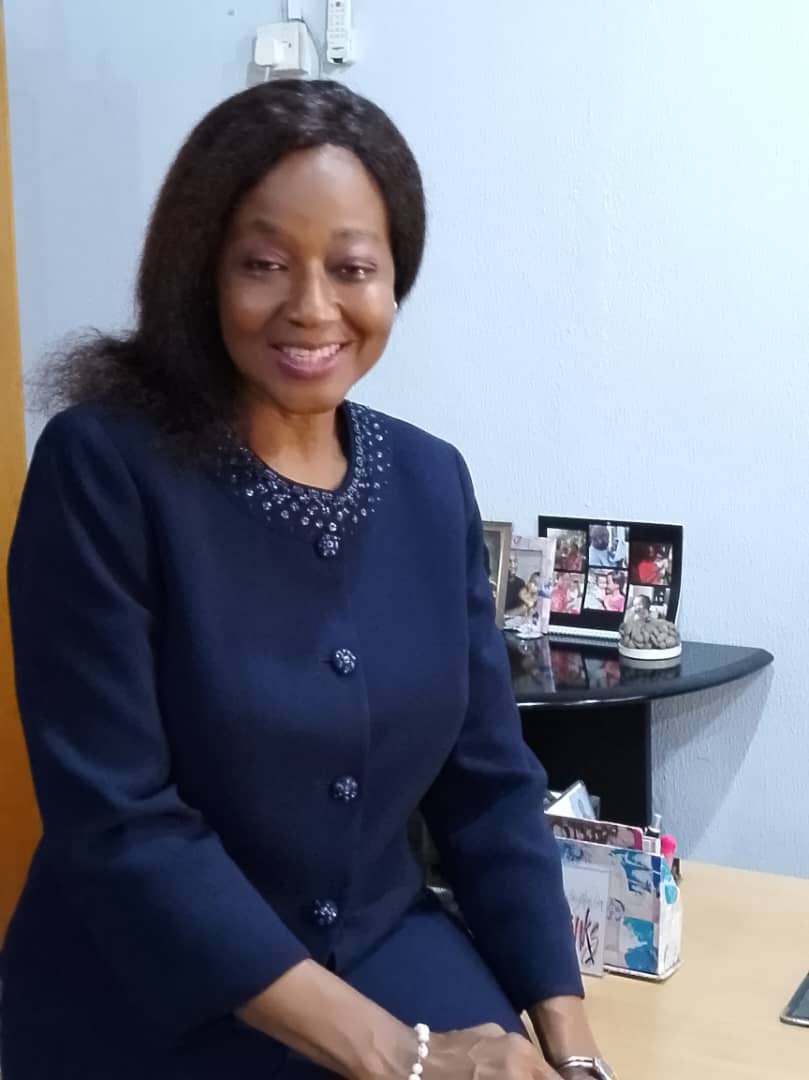
In this interview with Vanguard, the Executive Director, Cancer Care Organisation Enlightenment, C.O.P.E, Mrs Ebun Anozie x-rays the many challenges facing Nigerian cancer patients and factors fuelling high mortality rate from the disease. Excerpts:
Reasons for high cancer mortality rate
Breast cancer mortality is high due to factors such as lack of access to medical care, ignorance, religious beliefs, poverty, unhealthy lifestyles, lack of exercise, late presentation, and taboos, which together contribute to the current increase in cancer cases. The more people are informed, proactive with their health, conscious of what they consume, and have access to quality cancer treatments, the higher the rate of cancer survivors in the country. Addressing these issues requires the work of all relevant stakeholders, which is very important.
Surviving cancer in Nigeria is not easy and the issue is further compounded because many people present when the cancer is at an advanced stage. The least a Nigerian will pay for cancer treatment is N2.5 million depending on the stage. The more advanced the cancer, the more expensive it is to manage due to the various treatment forms required. The statistics reveal that 80 per cent of Nigerians lack access to health insurance, often lacking cancer treatment, highlighting the challenges faced in surviving cancer in the country.
Younger people are having cancer
Some individuals may carry genetic predispositions to specific cancer types. Inherited mutations in certain genes, like BRCA1 and BRCA2 for breast and ovarian cancer, can elevate this risk. However, these mutations are rare and most cancer cases are not directly linked to genetics. Also, sedentary lifestyles and unhealthy eating habits can increase the risk.
A diet of fruits, vegetables, whole grains, and lean proteins is generally recommended for cancer prevention. Exposure to environmental hazards like air pollution, chemicals, and carcinogens can increase the risk of cancer, but they don’t guarantee that the person will have cancer. Many people with risk factors don’t develop cancer, and many cases occur in those without risk factors.
To reduce cancer risk, everyone should maintain a healthy lifestyle, eat a balanced diet, avoid tobacco and alcohol, protect themselves from sun exposure, use sunscreen, and follow recommended cancer screenings and check-ups. Early detection and prevention are crucial for managing cancer risk at any stage of life.
Misdiagnosis in cancer treatment
Early detection and appropriate interventions significantly influence cancer treatment effectiveness, with misdiagnosis being a major factor in breast cancer treatment, but it’s crucial to emphasise that we do not diagnose.
We provide breast screening services with state-of-the-art equipment that detects lumps or abnormalities in women’s breasts. We are very particular in engaging the services of qualified and experienced sonographers/radiographers and have been fortunate to have really skilled healthcare professionals work with and/or volunteer with us. We also provide regular training to proactively address any issues related to the detection of lumps and have generally received very few complaints related from our patients. However, we recently encountered two separate incidences where one of our experienced radiographers did not detect lumps in two different patients and both patients brought it to our attention after seeking second opinions. In an abundance of caution, we initiated a review of all screening results for women who had undergone screenings performed by this particular radiographer during her three-year tenure with us. Additionally, as part of our commitment to ensuring the highest standards of care, we suspended her from her duties. Our guiding principle is the early detection of breast cancer, and we are dedicated to upholding it.
Cancer screening at C.O.P.E
We provide women with subsidised and/or free breast ultrasound scan screening services to detect lumps or abnormalities. If lumps are detected, , and recommend further evaluation or tests with their personal physicians or diagnostic centers.
I need to mention that over the course of 28 years, our journey has been a roller coaster. Throughout this time, we have taken on a pivotal role in the fight against breast cancer in Nigeria. Our commitment to reducing the mortality rate of breast cancer would not have been attainable without the unwavering support of our incredible partners, including Variant Advisory, Polaris Bank, Union Bank, Hardrock Café, SKLD, GE Healthcare, ASHOKA, Pfizer and the generous individuals who have stood by us through thick and thin. As we continue our mission, we welcome additional local and international partners, both corporate and individuals, to join and support us on this journey and fight against breast cancer.
Together, we can make a significant difference in the lives of women in Nigeria.
Challenges with treatment affordability
I will illustrate with an example. During our routine free monthly screening in July 2022, we had a significant turnout. One of the attendees, a woman, visited the office two months later to purchase breast prostheses. As part of our standard procedure, we asked about her diagnosis timing and if she would like to join our support group. She agreed and shared her story. She had taken advantage of our free breast screening service made possible by Variant Advisory and SKLD. She was unaware of a lump, but experienced a sharp, persistent pain for three days, and wanted to find out what was wrong.
Our radiographer detected a lump and strongly advised her to consult her personal physician for a thorough evaluation. She did as advised and the diagnosis revealed stage one carcinoma. She was presented with two treatment options: preserving her breast through chemotherapy and radiotherapy or opting for a mastectomy (complete breast removal) without any further treatment. She bravely chose the latter! Her actions are an incredible testament to not just the importance of early detection, but also to patients adhering to our advice to consult their primary healthcare providers for further evaluation.
Breast cancer treatment, as with all forms of cancer treatment, is incredibly expensive and it is important to be proactive. The cost of cancer treatment is significantly reduced when diagnosed in its early stages. For example, the least invasive cancer treatment would start at approximately N2.5 million. Treatment which includes drugs, is not cheap, even for the affluent. We encourage women to have comprehensive health insurance to help with the cost of breast cancer treatment and healthcare in general.
Comprehensive cancer treatment centres
Over two decades ago, we urged the government to establish at least one comprehensive cancer treatment centre in Nigeria. Today, there are at least seven such centres across the country, a stark contrast to when there was none. Private entities have also stepped in to contribute to help fulfil this critical need.
However, there is still much work ahead. The reality is when we address the imbalance in medical tourism and treat our own citizens properly within our borders; it will become evident that our healthcare system is gradually aligning with international standards. For example, despite the availability of these comprehensive cancer treatment centres, the “Japa” movement within the healthcare sector remains a formidable challenge with grave implications in the years to come. Our best healthcare professionals are understandably leaving the country in droves for better remuneration, career advancement, and quality standard of living. The government has a lot of work to do to address this growing trend.
Radiotherapy issues
There’s a vast distinction between owning something and that thing being genuinely beneficial or operational. In Nigeria, we currently have at least six radiotherapy centres, some of which are privately owned.
However, the actual functionality of these centres presents a distinct challenge. It is evident that the number of operational machines is inadequate to serve a country as large as ours, with a population of almost 200 million people and growing. This challenge is further compounded by our current infrastructure and the ongoing struggle to experience reliable power supply.
Impact of Forex scarcity
It is actually difficult for some patients to afford drugs recommended and prescribed by their physicians. We remain ever so grateful to our partners who provide financial support to our survivors who are still receiving treatments so they can live a healthy and fulfilling new normal life.
Breast cancer treatment under NHIA
As earlier mentioned, treatment for any type of cancer is very expensive. During the last regime, the scheme did not cover key treatments for serious ailments such as breast cancer. In most cases we have family members selling their properties trying to raise funds for treatments of their loved ones. It is heart-wrenching to see and hear about the difficulties cancer survivors are going through in accessing treatment. Thankfully, the Nigerian Cancer Society took a bold step by requesting funds from the federal government and assisting citizens in need. Access to affordable healthcare is a critical issue that affects the well-being of all Nigerians and the earlier we take the bull by the horns, the better it will be.
The Nigerian government must offer sustainable and tangible solutions to improve healthcare access and ensure essential treatments, including cancer treatments, without financial hardship, addressing the complex challenge faced by many governments worldwide. We are glad C.O.P.E is able to fill some of these gaps for women in need dealing with breast cancer through the generous donations and support of partners, and we continue to encourage others to support us.
Message for new Health Minister
Dr. Muhammad Ali Pate is a respected physician and educator and we congratulate him on his new and very important role in moving the country’s healthcare sector forward. C.O.P.E is firmly committed to our mission, and we look forward to the opportunity to collaborate with him and the Ministry of Health in mitigating the breast cancer mortality rate in Nigeria and improving healthcare access and outcomes for all Nigerians.
C.O.P.E after two decades
For over 28 years, we have been working to empower women to be proactive about their health, and to appreciate that early detection is crucial in the fight against breast cancer. Our mission is to raise awareness of breast cancer among Nigerian women and young girls, using the SCREEN framework, (Screening, Counselling, Referrals, Education, Enlightenment, and Nurturing) which encompasses our core values and goals.
Breast cancer mortality rate is high in Nigeria due to a variety of factors including lack of access to proper medical care, ignorance, religious beliefs, poverty, unhealthy lifestyles, lack of exercise late presentation, and taboos. Through our monthly screening initiatives, our goal is to detect breast cancer at its earliest stages, resulting in more cost-effective treatment options and significantly improved survival rates for women in Nigeria.
In terms of care and support, we offer emotional support and solicit financial assistance for women, with a vibrant support group system to nurture and uplift survivors and improve their quality of life. We believe in fostering “HOPE with COPE,” ensuring that survivors find hope in their journey and have the necessary coping mechanisms to navigate the challenges they face. With October being breast cancer awareness month, we strongly urge women to take advantage of our free and/or subsidised breast screening services.
Disclaimer
Comments expressed here do not reflect the opinions of Vanguard newspapers or any employee thereof.