
By Prisca Sam-Duru
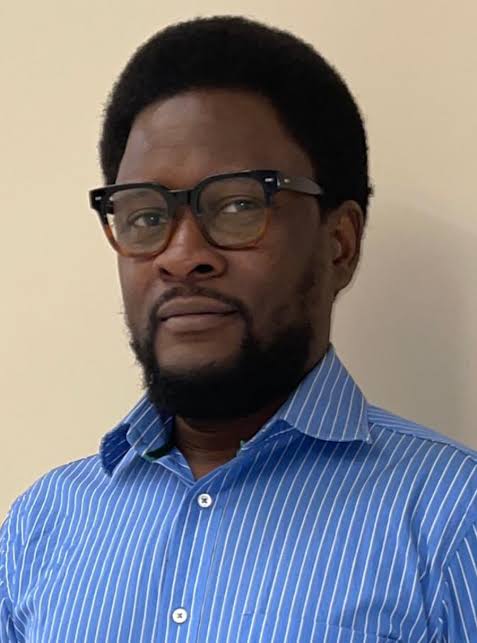
Canada-based playwright, poet, actor, and dancer with multiple performance experiences, Abideen Ojomu, studied Chemical Engineering at the Lagos State University.
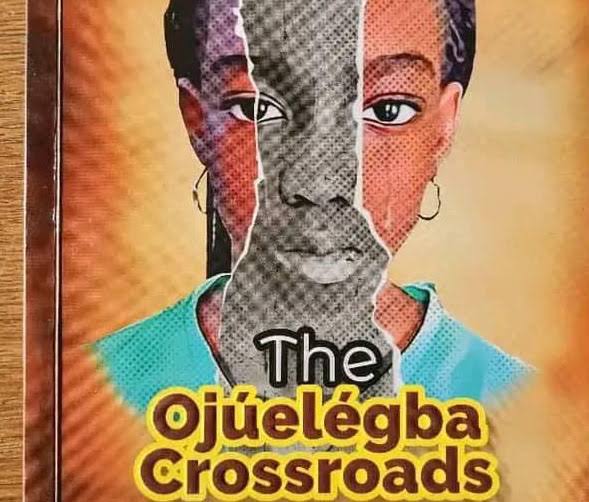
As an artist, Ojomu has successfully staged many of his plays with different playhouses as well as book readings at various events. One of his plays, ‘The Ojuelegba Crossroads” has just earned him a space in the finals of Africa’s biggest and prestigious prize- the Nigeria Prize for Literature sponsored by Nigeria LNG.
In this exclusive interview, Ojomu who is also author of ‘Oils Wheels, Woes of Warriors’, speaks about the prize, his works, literary industry and much more. Excerpts.
Congratulations for being a shortlisted finalist of the Nigeria Prize for Literature 2023.
From making the longlist and now a finalist, does this have any effect on your writing career already?
Making the longlist of the Nigeria prize for literature is a very important milestone in my writing career due to the regional and continental relevance of the award.
And being among the top three authors for drama is indicative of the relevance of the work and its potential for stimulating a new social agenda.
You themed your play around Ojuelegba even while addressing issues bedevilling the entire continent, what inspired the title?
Ojuelegba is a very important place not only in Lagos but on the African continent due to its peculiarity and cultural antecedent. It has been a point of cultural convergence as our ancestors venerated the “elegba or Legba” deity at this location.
Over the centuries, development stretches its steel and concrete limbs across remote forests and Ojubo- Elegba now shortened to Ojuelegba finds itself at a very important crossroads connecting important settlements at its four cardinals. These bordering settlements advanced as a result of social imperatives but the crossroad remains a bottleneck thereby preventing the consolidation of the disparate developments into a single formidable whole. The crossroads can no longer hold up on its primary responsibility of providing the required link for the stronger whole.
Based on the existential and development crises posed by the crossroad at which also every African Nation finds itself, it is required that we find new ways to resolve this impasse. The shrine of the deities, the masquerades and the ancestors are right around the corners, can we kneel before our ancestors and ask them how they built the Benin Kingdom, Borgu Kingdom, Fulani Empire, Hausa Kingdoms, Kanem Bornu Empire, Kwararafa Kingdom, Ibibio Kingdom, Nri Kingdom, Nupe Kingdom, Oyo Empire, Songhai Empire, Warri Kingdom, Ile Ife Kingdom, and Yagba East Kingdom.
All these greatness of our ancestors which enthralled them before bought their lies and “Things Fell Apart”. The book is a metaphor for us to rediscover the greatness of our ancestors and walk in the shadow of their greatness. The metaphors of the book, the headings are perhaps a clarion summon for us to remove all bottlenecks on the path of our development as a country.
What’s the core message of the play?
The play is requesting a town hall meeting to discuss the unity of our people, to rediscover the opportunities and strength in our diversity and to cultivate a national pride reflecting the greatness of ancestors. It is requesting for participation of every person in the political system in the process of reawakening the dormant giant.
One would say your play is timely considering the theme but beyond encouraging discussions or conversations around the subject, don’t you think that Africans have been smeared too much by ‘foreignness’ that they cannot be easily redeemed especially through literature?
I believe literature can be used to undo a lot of the damages done to Africa and blackness because the discriminatory rhetorics used to propagate the stereotype leverage literature and art. Art as a ubiquitous and pervasive genre lends its effects to every aspect of life.
When literature is systematically and properly delivered, it will reawaken the consciousness of the targets and empower them to reassess their realities for their merit and truth. For example, The Ojuelegba Crossroad confronts the idea that one race is inferior to others and it clearly describes that, the belief that any man is superior to other men just by the colour of their skin is a paradigm that is based solely on ignorance.
This simple statement sensitizes people into deconstructing the need for extolling any race of people thereby creating self-consciousness and broader self-esteem. These two qualities are necessary for people who will eventually aspire for great things.
What is the one thing this prize is doing to the Nigeria literary industry?
The NLNG Prize for Literature is empowering the development of literature in Nigeria. The number of new literary works created to compete for the award over the past years is staggering and this is a very important prerequisite to the development and preservation of our culture.
Literature is a very powerful tool for nation building because literature revitalizes and influences our thought process. A great story about the braveness of one’s ancestors stimulates a feeling of braveness. The current trajectory of growth in the African and black literature occasioned by the NLNG award plays a very important role in the preservation of black history and culture (due to the population of Nigeria, approximately one in every ten black persons is a Nigerian.)
However, there is a need to create an ecosystem around literature which might include, theatre infrastructure, books distribution and channel, publishing, library unfractured, research grant for historical documents, etc. These programs will ensure the realization of potential for social and economic change that literature could deliver.
What are your thoughts on the literary industry?
The Nigerian literary industry has a rich history and has produced many internationally renowned writers. African literature due to the unique use of language has won admiration locally at the international scene. Due to the dearth of the infrastructure to support literature, there is less readership locally and very little penetration of African literature into non-English speaking parts of the world.
So, how can the system be improved?
The ways of improving the literary industry are numerous. We need a robust publishing infrastructure because one of the biggest challenges is the lack of a robust publishing infrastructure in Nigeria. Local writers often find it hard to get their works published and then distributed.
There is need to implement stringent measures and raise awareness against piracy. Readership needs to be promoted. Campaigns and initiatives to inculcate reading habits from school level can help boost local readership. There is need to invest in more libraries especially in rural areas, and encourage the growth of independent bookstores.
Literary festivals and workshops should become a regular thing as this can help in fostering a sense of community, improving writers’ skills, and raising interest in literature.
Availability of grants will increase funding opportunities for writers to focus on their craft. So, we need more grants similar to the NLNG initiatives.
It’s important that we promote literature in schools and grassroots; update school curriculums to incorporate more contemporary Nigerian works. This not only boosts readership but also creates a sense of identity and pride among students.
Translation resources: Support and fund translation efforts to bring the wealth of literature written in regional languages to a broader audience, both nationally and internationally.
Win or lose, would you like to consider adaptation of your play for the screen?
Yes.
How do you plan to spend the prize money if you win?
I have received a lot of letters from young writers requesting me to set up a writing clinic where young writers could get training and mentorship of how to write. I will be interested in pursuing this as an initiative so as to increase the number of new writers.

Disclaimer
Comments expressed here do not reflect the opinions of Vanguard newspapers or any employee thereof.