
By Damilola Bodunde
Nothing can be added to the truth that women are key to growth and development of any nation. By their physiological and emotional make-up, they are armed with the tools to make things happen. Women are go-getters.
Women are extraordinary managers of men and resources. As mothers, they draw their strength from love for their offsprings and humanity; therefore their sole focus always is to engender happiness of the greater number by ensuring that things work out well. If politics is the authoritative allocation of values/resources: determining who gets what, when and how, then women naturally fit the bill for this role because they always ensure that nobody is left to their own fate because they are blessed with burden of care, milk of human kindness and sense of fairness and equity.
Not many amazons are driven by the tendency to divert resources meant for development to foreign accounts or for family debauchery. As enunciated by Kofi Annan, the positive impact of women in politics is undeniable.
He maintains that there is no tool for development more effective than the empowerment of women; no other policy is as likely to raise economic productivity or to reduce child and maternal mortality, no other policy is as sure to improve nutrition and promote health, including the prevention of HIV/AIDS; no other policy is as powerful in increasing the chances of education for the next generation.
Madeleine Albright added her voice by insisting that the world is wasting a precious resource in the dramatic under-representation of women in leadership positions, often resulting in the exclusion of women’s talents and skills in political life.
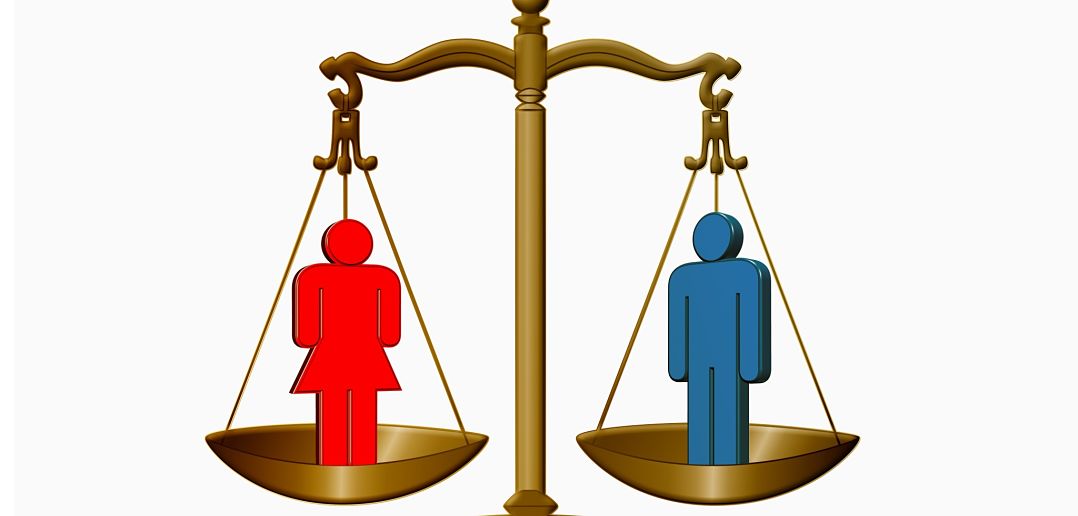
Going by the UN world population index, women constitute more than half of the world population; their participation in politics will create a balance of power between genders. Women engagement in politics and corporate governance is a parameter or an indicator for assessing societal development and advancement.
Globally, we have witnessed the rise in the number of women in elected and appointed political positions. Currently, we can easily remember the prime ministers of New Zealand, Georgia, Eastonia and, of course, in our own continent, the President of Tanzania.
These great signpost and leading lights for women have shown strong leadership and strength. In fact, they have made so much impact in the annals of development in their countries that there is a growing appeal to permanently leave the reins of power with the women. Others in parliaments in the US, UK, Australia, France, etc., have also not disappointed. They are known to have sponsored and supported powerful and life-changing pieces of legislations that are revolutionary.
Unfortunately, here in Nigeria the situation is different. Women are seen as outcast in the political space. They are oppressed and suppressed by their male counterparts. The cliche that a woman’s place is in the kitchen and the ‘other room’ is making it difficult for the women to be heard or given the opportunity and level playing field to prove her worth. The hegemonic sex dominance of a patriachical society downplays whatever a woman accomplishes to always make her inferior and subjected to men. In other instances, women are objectified to diminish their self-worth and dignity.
The recent event in the National Assembly where five women-related constitutional amendment bills were rejected by the male-dominated assembly, tells a graphic story of plight of women in the Nigerian political space.
Yet the full and equitable participation of women in public life is essential to building and sustaining strong, vibrant democracy in Nigeria. When women are not participating in politics, it’s less likely that policies will benefit them. Women’s participation is essential to bring attention to issues that uniquely affect them, and to change attitudes towards gender.
Male and female legislators must work together in order to solve the myriad of problems in their countries. Pursuant to meeting worldwide development goals and build strong, sustainable democracies, women must be encouraged, empowered and supported in becoming strong political and community leaders.
The hand that rocks the cradle should indeed be allowed, or given a place to rule the world.
***Bodunde, a social commentator, wrote from Lagos
Disclaimer
Comments expressed here do not reflect the opinions of Vanguard newspapers or any employee thereof.