
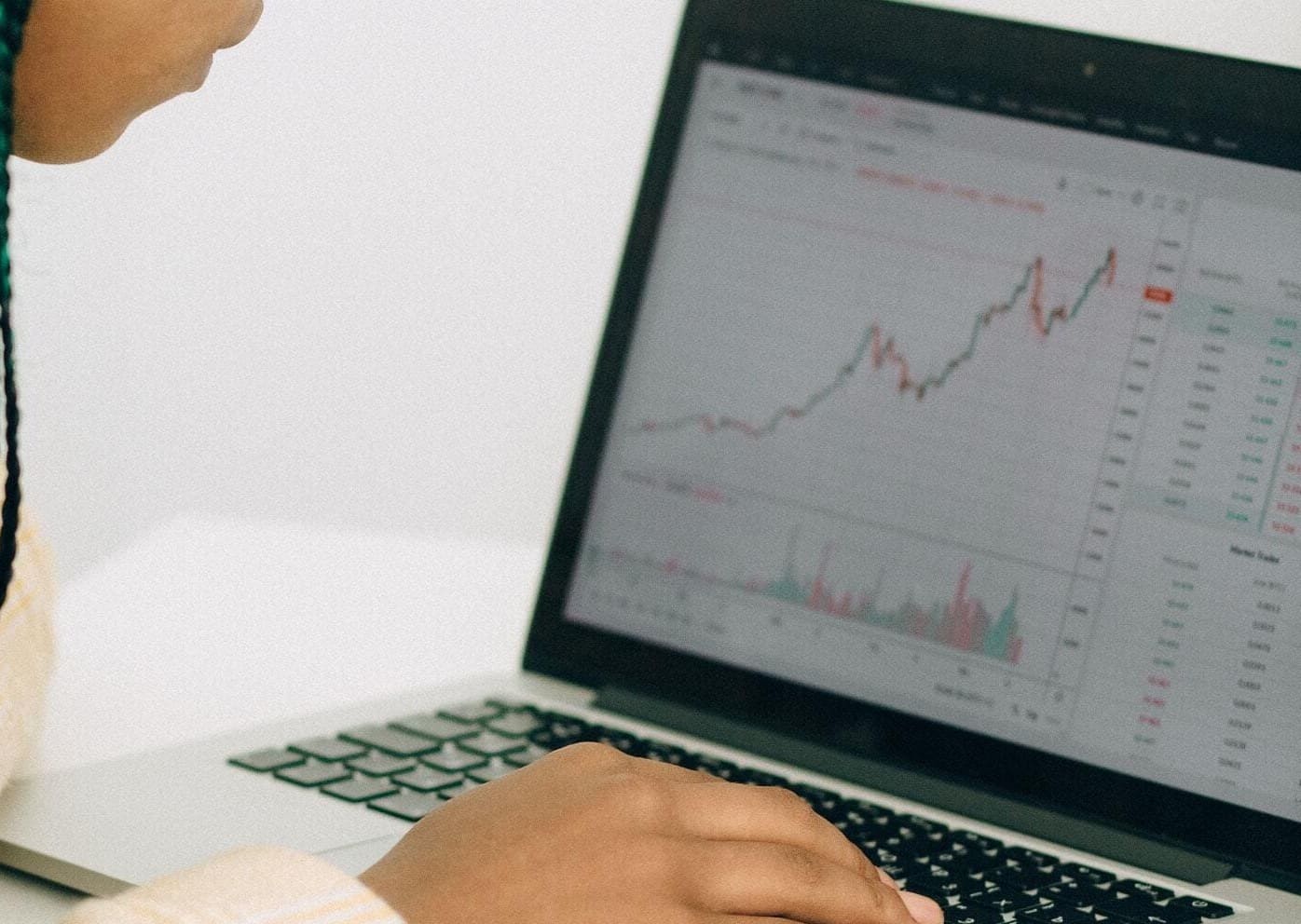
Investing and trading both have the same goal but different time frames to achieve them.Investors buy and wait. Theirs is a long-term approach.

Investing focuses mainly on equity while traders trade stocks, commodities, forex and other high-risk instruments. While investors are comfortable with substantial but deferred gratification, traders would rather seek returns in shorter intervals.
Investors are confident that a lowly priced or undervalued stock selling at a discounted price with the right fundamentals will appreciate in value in the future. They are also of the view that some stocks are either under priced or overpriced and hence try to find the intrinsic value of the stock before investing.
Traders on the other hand don’t share this sentiment. Traders are in for what they can benefit in the short term. They don’t want to own a part of the company for long.They just want to buy or sell the company’s stock or any other instrument to make quick money, and get out quickly.
What are the Characteristics of an Investors?
- Investors Carry Out In-Depth Research & Analysis on the Stock
An investor doesn’t just click the buy button out of fear of missing out. He carries out extensive research on the company’s stock. An Investor looks at the following company documents:
- Balance sheet
- Cash flow statement
- Income statement
Armed with this information, he/she is able to determine if the company is solvent, if it is properly managed, if the stock is under-valued or over-valued and if the company will be around for a long time. This is known as Fundamental analysis.
- Investors Buy & Hold a Stock for Long Term
An investor is usually optimistic and will also keep a stock even when the price is dropping. This is because he believes the price will bounce back, unless there is something fundamentally wrong with the company.
He also may not sell the stock even when the price skyrockets as he is more interested in achieving the goal of his investment. This goal may be retirement, a new home, a new car etc.
Investors may also choose to reinvest the dividend paid to them. They may choose to reinvest it in their portfolio by purchasing more stock. This is testament to the fact that investors are not in for instant gratification.
An investor will only sell stocks in a company when it is very necessary, for instance when he wants to realign his investment portfolio, or when something changes with the company that does not match the original reason for investment. Otherwise, investors are content with the dividend paid to them by the company recurrently.
What are the Characteristics of a Trader?
- Traders Seek Short Term Gains, Buying & Selling quickly when the Price Moves in their direction
One major thing that distinguishes traders from investors is the length of time they hold an asset for.
A typical trader is in to stock, commodity, Forex etc.He buys with the intent of selling for profit once the asset appreciates in value.If that value appreciation happens in one day, then so be it. They hold the asset for only one day and sell it.
If the value of the asset begins to drop,they may panic and sell it to cut losses. Day traders are particularly exposed to this kind of risk all the time. To protect against this risk, they use a stop loss order to automatically close their position when the price of the stock falls to a certain level.
This can also be seen in forex trading where currencies are traded in pairs like EUR/USD. Forex traders buy a currency with the hope that its value will appreciate and when it does, they sell and make profit.
- Traders Rely on Charts & the News to Base their Trading Decisions
With the exception of position traders who may hold positions open for months or even years, most traders like day traders do not usually bother to study the company’s balance sheet and other documents that could give them proper insight into the company.
They instead rely on charts which they interpret to help them establish price trends and patterns. This is what informs their trading decisions. This is called Technical analysis.
Some traders also rely on social media& engage in social trading. This can lead to copying other traders.
A combination of fundamental and technical analysis should be used when deciding on a stock to invest in.
Day traders also monitor the news for potential market moving information. According to a report published, the 2019 election anxiety caused investors in the Nigerian capital market to lose N85 bn in a few hours. An intra day trader who saw this coming would have traded on the fall in stock prices at the time, to make a profit.
- Traders Engage in High-Risk Activity
Trading is riskier than investing. This is so because investing focuses on stock/equity while trading is broader and covers buying and selling of stock, commodities, forex etc. using margin.
Many day traders in Nigeria patronize the Forex markets, which is the largest financial market in the world. The fact that online retail forex trading in Nigeria is not regulated by SEC, even though it is not illegal,retail forex brokers in the region hold licenses with foreign regulators which makes these brokers riskier for forex traders in Nigeria.
Currency fluctuation risk also exposes forex traders to loss of funds if not hedged properly.
Intra day traders also trade Contracts for difference (CFDs) using leverage while trying to maximize their profit. This is also slippery terrain as CFDs are derivatives which make use of margin and leverage, which is very risky for retail traders.
Do Not Confuse Trading with Investment
| CATEGORY | KEEPS STOCK FOR | INVESTMENT FOCUS | USE OF DERIVATIVES | IF STOCK VALUE APPRECIATES | IF STOCK VALUE STARTS TO DROP | RISK COMPONENT |
| INVESTOR | LONG TERM | STOCKS | NO | KEEPS STOCK | KEEPS STOCK | LOWIN LONG TERM |
| TRADER | SHORT TERM | STOCKS, COMMODITIES, FOREX ETC | YES | SELLS STOCK | SELLS STOCK | HIGH |
The table above shows some characteristics of traders and investors.
An investor can easily transition into a trader but it would require more effort for a trader to transition into an investor. This is because investors have a deeper understanding of the capital market structure.
It is important for investors to be focused and not veer from the investment path. This happens too often as people venture out with the intention to become investors and end up as traders.They become unwilling participants in trading without knowing.
Conclusion
Investing and trading are often used interchangeably. Some traders think they are investors.
To be an investor, one needs to be very knowledgeable about things like fundamentals, value investing. An investor needs to be very patient too and not let his emotions affect his decisions.
As an investor, buy a stock in a growing company, hold it over years and watch the company grow. Stock of new companies may start out not so well at first but could explode with time as the business grows.If it is a business with potential, and the business is well run by the management, give the stock time to grow as the company would eventually be successful.
We have heard stories of stock that doubled or even tripled in value over time.Both investors and traders will make money from their activities but traders are exposed to a higher risk due to short term volatility in the markets.
As an investor, if you find yourself wanting immediate gratification, and not wanting to know more about the company you want to buy into, then you are gradually becoming a trader.
Disclaimer
Comments expressed here do not reflect the opinions of Vanguard newspapers or any employee thereof.