
By Kingsley Adegboye
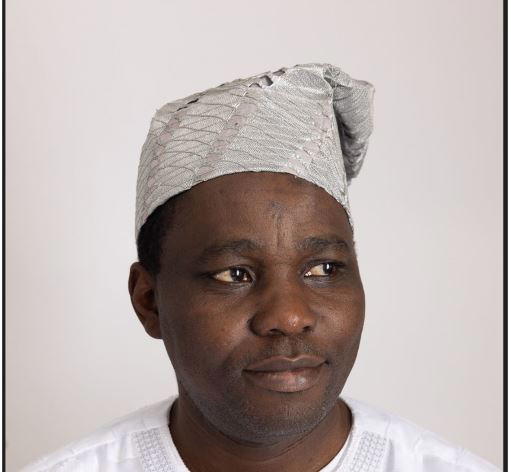
As Nigeria continues to grapple with persistent power shortages and rising energy insecurity, the scholarly work of Mr. Abiodun Bamidele Obisesan, a Nigerian renewable energy researcher based in Europe, is gaining renewed relevance for policymakers, investors, and development planners.
In his current research article, “Review of Renewable Energy Sources in Nigeria – Security and Challenges,” Obisesan presents a comprehensive assessment of Nigeria’s energy landscape, arguing that the nation’s power crisis is not due to lack of resources but rather weak policy execution, poor investment coordination, and underutilization of renewable energy technologies.
The study critically evaluates Nigeria’s vast renewable energy endowment solar, hydropower, biomass, wind, and municipal solid waste revealing that the country possesses sufficient renewable capacity to sustainably power its economy if properly harnessed. According to the research, Nigeria’s energy insecurity continues to constrain industrial output, job creation, healthcare delivery, and overall economic productivity.
One of the most economically significant contributions of the study is its strong advocacy for gasification of municipal solid waste (MSW) as a dual solution to Nigeria’s power deficit and environmental challenges. Obisesan demonstrates that large urban centers such as Lagos could theoretically generate over 1,000 MW of electricity from MSW gasification alone, while simultaneously addressing urban waste management problems.
“The economic implications are far-reaching. Adoption of such technologies would reduce government expenditure on waste disposal, create new industrial and technical jobs, improve electricity supply to housing and industrial estates, attract foreign direct investment into clean energy infrastructure and strengthen national energy security,” Obisesan explained.
His work further underscores the link between reliable electricity and poverty reduction, noting that millions of Nigerians remain below the poverty line largely due to limited access to affordable power. His research aligns energy development directly with economic empowerment, industrial growth, and national competitiveness.
Beyond Nigeria, the study draws on successful international models from countries such as Finland, China, and India, demonstrating how strategic renewable energy investments have driven sustainable economic development in those nations. By adapting these models to Nigeria’s local context, the research provides a practical roadmap for long-term energy diversification.
Energy analysts note that Obisesan’s work exemplifies the growing global impact of Nigerian scholars whose research addresses problems of national and international importance. His sustained contributions to renewable energy research position him as a leading voice in energy policy discourse, with work that supports both Nigeria’s development goals and broader global sustainability efforts.
As Nigeria seeks solutions to its long-standing power crisis, studies such as this reinforce the critical role of research-driven policy and the economic value of investing in homegrown intellectual capital.
Disclaimer
Comments expressed here do not reflect the opinions of Vanguard newspapers or any employee thereof.