
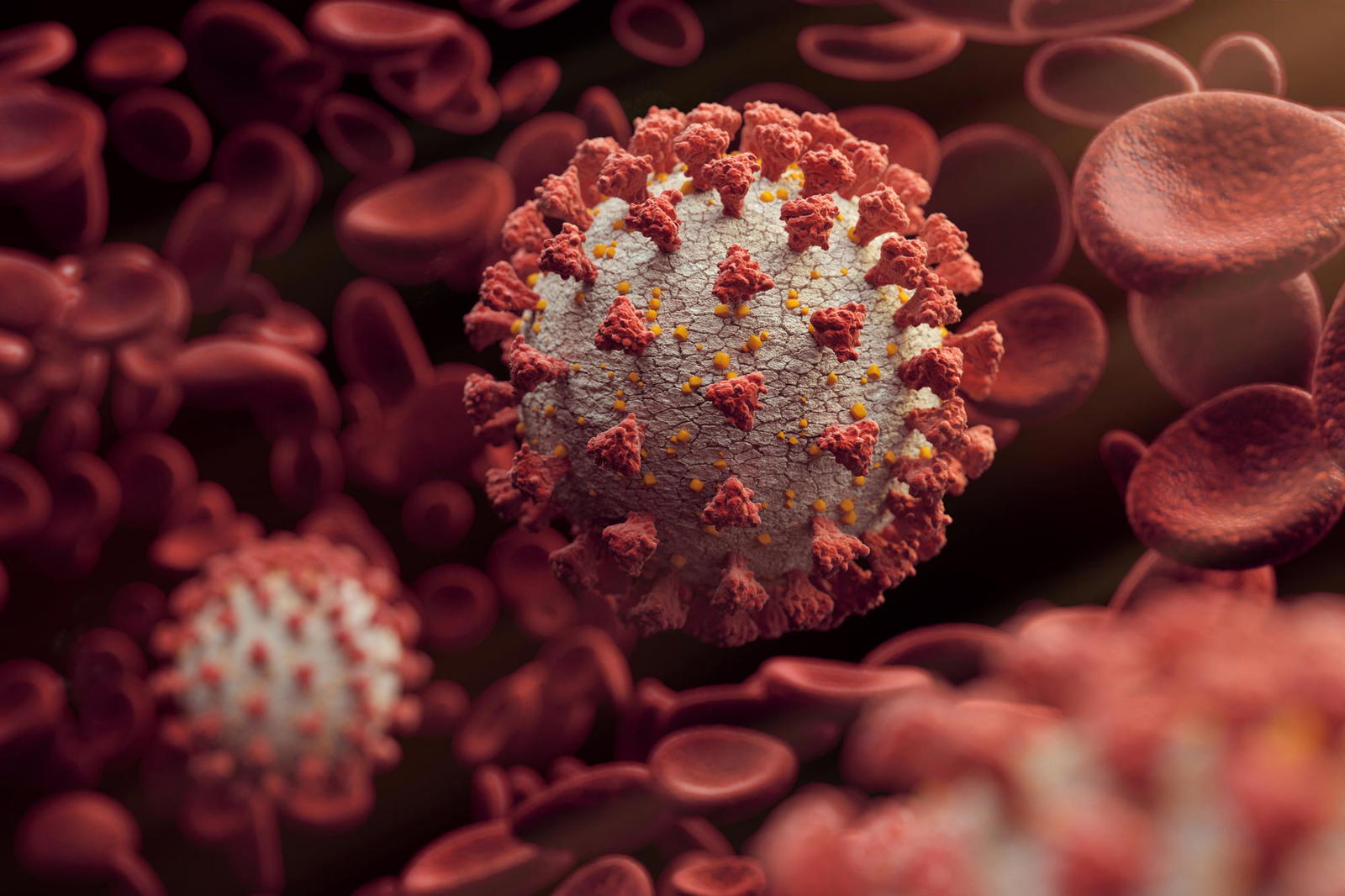
The Delta variant is a more contagious variant of the COVID-19 virus that is spreading around the world, causing a surge of cases and prompting new lockdowns in some countries.
According to the World Health Organisation, the delta variant, which was first identified in India, now accounts for most new COVID-19 cases in the US, parts of Europe, and Asia and is on track to become the dominant version of the virus.
Why it is a concern
The Delta variant is a variant of concern because it is more transmissible, causes more severe illness, and reduces the effectiveness of vaccines or treatments.
READ ALSO: COVID-19: Beyond FG’s promised intervention for print media
Officially known as B.1.617.2, the Delta variant is the most contagious of all the known variants to date, including the highly transmissible alpha variant that was first identified in Britain.
It is said to be up to 60 percent more transmissible than the alpha variant.
What is the “delta plus” variant?
A mutations of the Delta virus is dubbed “Delta plus.” While it has not yet been designated a variant of concern cases involving Delta plus have been reported in some countries, even as investigations continue regarding whether it carries additional risks or is associated with increased transmissibility.
There are indications that the delta variant may cause more severe disease.
Where is it spreading?
The Delta variant has been reported in more than 98 countries, including the US, UK, South Africa, Uganda and Ghana, among others. The variant is fueling new outbreaks around the world.
Are vaccines effective against this variant?
Available vaccines appear to offer good protection and most scientists agree that fully vaccinated individuals likely face little risk.
Disclaimer
Comments expressed here do not reflect the opinions of Vanguard newspapers or any employee thereof.