
.How ecosystem restoration can help us cope with COVID-19 challenges – Varsity dons
By Clifford Ndujihe
TODAY is World Environment Day. Across the globe, governments, non-governmental organisations and environmental stakeholders will be locked in one activity or the other to address environmental issues hampering the well-being of mankind.
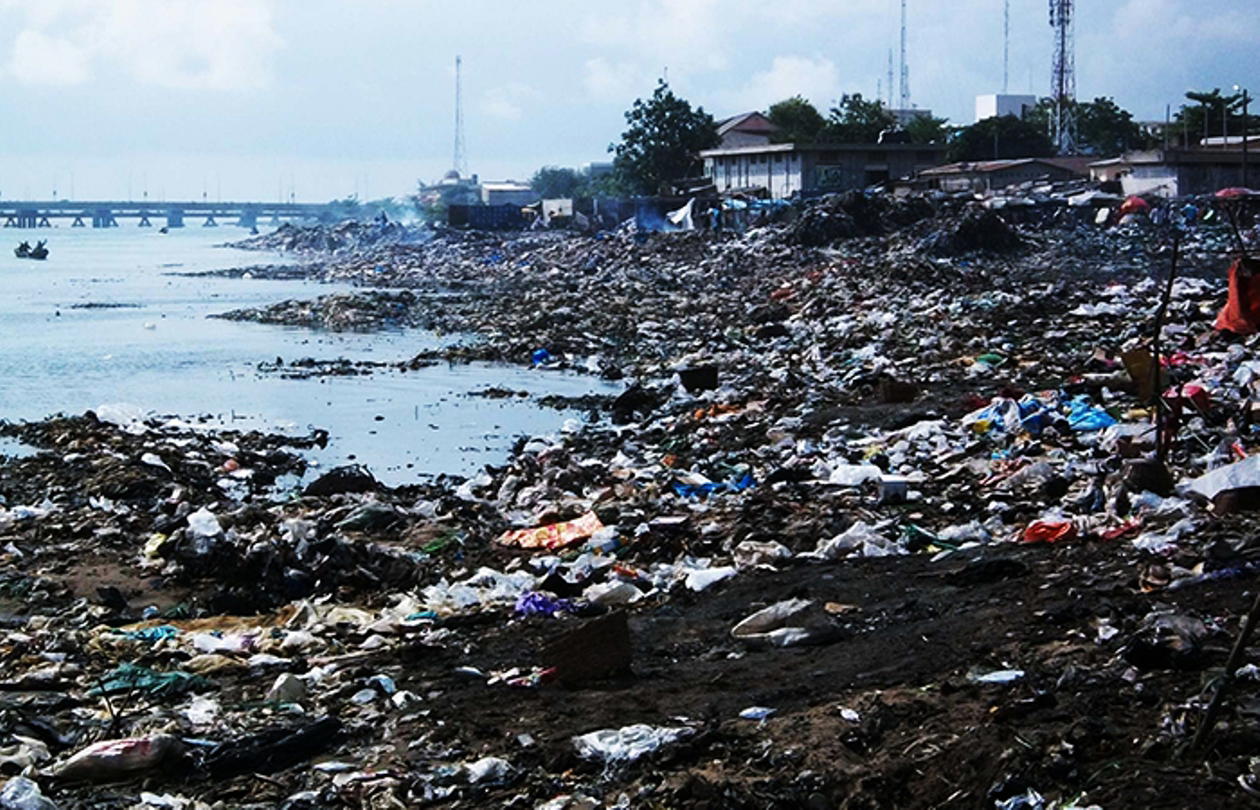
Nigeria is one of the countries facing huge environmental challenges. From Lagos to Sokoto, Akwa Ibom to Borno, Adamawa to Kwara, or Lagos to Akwa Ibom, the world’s largest black nation is contending with issues of air pollution arising from gas flaring, water and soil pollution from oil spills; and deforestation and desert encroachment.
There are also the issues of flooding arising from massive reclamation of wetlands; and waste disposal. Uncleared drains filled with heaps of plastic bottles are common sights in metropolis and urban areas like the state capitals.
READ ALSOKano users laud FG for suspending Twitter in Nigeria
The Niger Delta is one of the most polluted places on earth. The Niger Delta is Africa’s most important oil-producing region. For five decades, unprecedented oil spills have been damaging the environment and devastating lives in this area, making the region one of the most polluted in the world. It is estimated that while the European Union experienced 10 incidences of oil spills in 40 years, Nigeria recorded 9,343 cases within 10 years, according to Wikipedia.
Reportedly, the resultant environmental degradation from gas flaring, dredging of larger rivers, oil spillage and reclamation of land due to oil and gas extraction across the Niger Delta region costs about US$758 million every year. Regrettably, 75 per cent of the cost is borne by the local communities through polluted water, infertile farmland and lost biodiversity.
These challenges have been worsened by the prevailing COVID-19 Pandemic, contends Professor of Biogeography at the University of Nigeria, Nsukka, UNN, Professor Philip Phil-Eze, who is urging critical interventions to restore the environment.
Professor Phil-Eze, who is delivering the 14th annual lecture of the Faculty of Environmental Sciences, Nnamdi Azikiwe University, Awka, today, said there is need to take positive actions that will restore the ecosystems not only to support the economy to cope with the challenges of Covid-19 global pandemic in Nigeria but also for our sustainable well-being.
Professor Phil-Eze spoke as Professor Ifeanyi Enete, dean Faculty of Environmental Sciences, Nnamdi Azikiwe University, Awka, said the World Environment Day is the United Nations (UN) principal vehicle for encouraging worldwide awareness and action for the environment and has been held annually since 1974.
He said the 2021 World Environment Day observances is on the theme “Ecosystem Restoration” and is focused on resetting our relationship with nature. It will also mark the formal launch of the UN Decade on Ecosystem Restoration 2021-2030.
The essence is to acknowledge the urgency of preventing, halting and reversing the degradation of ecosystems worldwide.
Professor Enete said the 14th Faculty Annual lecture has been designed to reflect this theme as well as today’s reality following the global Covid-19 pandemic in the year 2020.
His words: ‘The year 2020 was a year of reckoning, facing multiple crises, including a global pandemic and the continued crises of climate, nature and pollution. In 2021, we must take deliberate steps to move from crises to healing; and in so doing, we must recognise that the restoration of nature is imperative to the survival of our planet and the human race. The lecture, therefore, is a call to massively scale up the restoration of degraded and destroyed ecosystems to fight the climate crisis, water supply and livelihoods.
“Reviving natural carbon sinks – such as forest and peatlands could help close the climate emission gap by 25% by 2030. Replanting with native tree species can also help buffer some of the expected devastating effects of a warming planet, such as increased risk of forest fires. Currently, 3.2 billion people, that is, 40% of the world’s population, suffer from continued degradation of ecosystem, for example by losing access to fertile soil or safe drinking water.
“To achieve restoration at the required scale, incentives and financial investments must be made in changing the way lands and oceans are exploited, in research and education. To us in Faculty of Environmental Sciences, we have launched an Ecosystem Restoration Fund (ERF) to support nature-based solutions to climate change and facilitate the transition towards environmentally resilient, ecological targeted initiatives covering afforestation and biodiversity conservation. Our prayer is that our August visitors will key into this initiative and help us both in cash and in kind to pursue this noble course.”
Indeed, Professor Phil-Eze, in a 7,274-word, 26-page lecture titled: ECOSYSTEM RESTORATION: SUPPORTING THE ECONOMY TO COPE WITH THE CHALLENGES OF COVID-19 GLOBAL PANDEMIC IN NIGERIA” said that the ecosystems of the world including Nigeria have been severely degraded by human activities. In particular, the Nigerian case has been accentuated by the impact of Covid-19 global pandemic to a frightening level.
According to him, “the output of the functional mechanisms of the ecosystems manifests as the renewable bioresources humanity depends upon and underpin economic growth, sustainable development and human wellbeing.
“The societal concern is that degradation of ecosystems continues unabated resulting in serious reduction in ecosystem goods and services, negatively impacting economic prosperity and environmental sustainability. Overexploitation of natural resources throughout the lockdown period of Covid-19 pandemic widely disrupted the equilibrium within ecological systems, driving changes of ecosystems worldwide and in Nigeria. Nigeria’s ecosystems were highly degraded as a result of damage, unsustainable harvest of resources and a failure to invest and reinvest in their productivity, health and sustainability.
“The well-being of the Nigerian population in the coming decades has been severely compromised and will to a great extent depend on conservation and restoration of ecosystems to maintain and enhance biodiversity and ecosystem services in order to contribute to sustainable support of the economy battered by Covid-19 global pandemic while reducing environment-related risks.
He continued: “Ecosystem restoration means assisting in the recovery of ecosystems that have been degraded or destroyed, as well as conserving the ecosystems that are still intact. Healthier ecosystems, with richer biodiversity, yield greater benefits such as more fertile soils, bigger yields of timber and fish, and larger stores of greenhouse gases. Restoration can happen in many ways – for example through actively planting or by removing pressures so that nature can recover on its own. It is not always possible – or desirable – to return an ecosystem to its original state. We still need farmland and infrastructure on land that was once forest, for instance, and ecosystems, like societies, need to adapt to a changing climate.
“Between now and 2030, the restoration of 350 million hectares of degraded terrestrial and aquatic ecosystems could generate US$9 trillion in ecosystem services. Restoration could also remove 13 to 26 gigatons of greenhouse gases from the atmosphere. Ecosystem restoration can also provide significant societal benefits, through the enhanced provision of ecosystems services such as carbon sequestration, flood regulation, clean air and water. The economic benefits of such interventions exceed nine times the cost of investment, whereas inaction is at least three times more costly than ecosystem restoration.”
Noting that all kinds of ecosystems can be restored, including forests, farmlands, cities, and wetlands among others, Professor Phil-Eze marshalled a 20-point action plan to save and restore ecosystems.
20 action points
* Reduce pressure that initiated ecosystem degradation in the first place
*Key into existing multilateral protocols to which Nigeria is a signatory and ratified
*Formulate a SMART goal or policy to drive the process
*Involve all parties and stakeholders no matter how tangential their
*Identify and rank ecosystems at risk of severe degradation
*Identify aspects of the ecosystem structure most vulnerable and at the brink of extinction.
*Announcing an ambitious restoration project or policy initiative, whether at local, regional or national level – tell the world what role you will play in a ten-year push.
*Volunteering for an existing restoration effort.
*Cleaning up a lake, beach, park or other natural area
*Greening your home, business, school, or a public space with indigenous trees or plants.
*Join an ecosystem restoration camp. It is a great way to give back to the planet and make a positive impact in your local region or while travelling abroad. The camps offer a range of short to long-term volunteering programmes where everyone is welcome!
*Pledging a donation or other support for restoration or conservation initiatives.
* Halting purchases of products and services that are not certified as sustainable.
*Starting a new diet or catering policy based on seasonal, sustainable and plant-rich products.
*Putting on or participating in an exhibition of posters, photos or art showing the beauty of local ecosystems
*Holding a discussion about the value of ecosystems and the threats they face.
*Staging an online campaign to draw attention to climate change, nature loss and what can be done to reverse these trends.
*Writing a letter to your local newspaper about need to restore degraded ecosystems
*Form Ecosystem Restoration Clubs in schools, Colleges and universities.
* Other ways of Ecosystem restoration includes Growing trees, greening cities, growing gardens, changing diets or cleaning up rivers and coasts.
If implemented, he said these 20 action point for ecosystem restoration will significantly put Nigeria’s ecosystem on the part of recovery in support of the economy to cope with the Covid-19 global pandemic.
“As the world gather in Pakistan for the launch of World Environment Day today, the Government of Pakistan plans to expand and restore the country’s forests through a ‘10 Billion Tree Tsunami‘ spread over five years. The campaign includes restoring mangroves and forests, as well as planting trees in urban settings, including schools, colleges, public parks and green belts. In doing so, Pakistan is contributing to the Bonn Challenge, a global effort linked to the UN Decade on Ecosystem Restoration. “Under the challenge, countries are pledging to bring 350 million hectares of the world’s deforested and degraded land into restoration by 2030. Nigeria must work the talk by identifying with the global community in this laudable endeavour,” he added.
Disclaimer
Comments expressed here do not reflect the opinions of Vanguard newspapers or any employee thereof.