
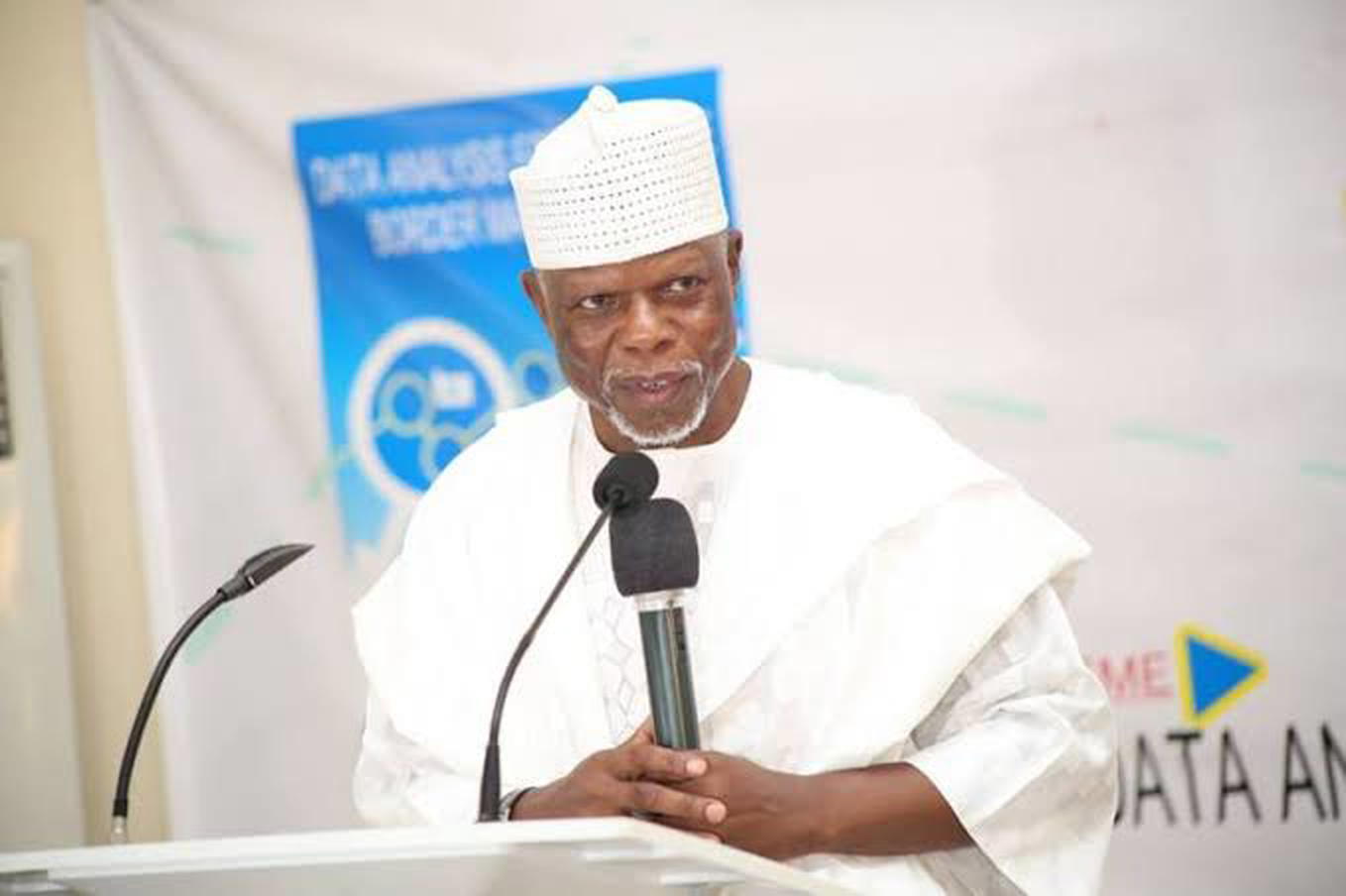
Comptroller General of the Nigerian Customs Service, Col. Hameed Ali (read)
By Eric Teniola
Comptroller-General of Customs, Col. Hamid Ali (retd)IT was Decree 7 of 1970 that gave additional powers to the board of the Nigeria Customs. On August 29, 1975, the Chairman of the Board of Customs and Excise, Mr. Henry Duke was retired by General Murtala Muhammed, GCFR, along with his two deputies, Mr. E. U. Emoren and Alhaji I. Halidu, the preventive commander.
General Murtala Muhammed then posted the permanent secretary in the Ministry of Health, Alhaji Shehu Ahmadu Musa (1935-2008), the late Makama Nupe, as Director of Customs with a mandate to reorganise the organisation. Expectedly the late Makama Nupe brought his civil service experience into the organisation. The reforms he carried out formed the foundation of the Nigeria Customs Service till date.
READ ALSO:Dredge barriers around Nigeria’s borders, SINET tells Buhari (Opens in a new browser tab)
Before then the Customs was operating as two parallel services – revenue (technical) and preventive (enforcement). This parallel method of running the two services created serious conflicts and immense administrative problems. This seriously affected the overall efficiency and attitude of officers and men with the attendant negative impact on the image of the Department.
On November 7, 1985, General Ibrahim Babangida, GCFR, constituted a committee under Alhaji Yahaya Gusau (1916-2008), the late Shettima Sokoto, to probe the high level of smuggling on Nigerian borders. As a result of government acceptance of the report, the Customs, Immigration and Prisons Services Board, CIPB, were created with the promulgation of Decree No. 14 of January 11, 1986.
This decree abolished the Board of Customs and Excise with this new Board taking over its functions and in addition absorbed the functions of the Federal Public Service Commission with regard to appointment, promotion and disciplinary control over staff of the Department.
On November 27, 1993, General Sani Abacha, GCFR, set up the Major-General Paul Tarfa Panel to probe activities of the Nigeria Customs Service. The panel was given one year to conduct the probe and in the meantime a sole administrator in the person of Brigadier-General (later Major-General) Samuel Omiago Ango was appointed. However, he was in charge of the Nigeria Customs Service until February 4, 1999 when General Abdulsalam Abubakar, GCFR, appointed Ahmed Aliyu Mustapha (OFR) a career Customs officer as the substantive Comptroller-General of Customs.
From that time till now, comptroller-generals have headed the Nigeria Customs Service. They included Alhaji Ahmed Aliyu Mustapha, the late David Akintayo Ogungbemile (acting), Jacob Gyang Buba, the present the Gbong Gwom Jos and chairman of Plateau Council of Chiefs; Hamman Bello Ahmed, Dr. Benard Shaw Nwadialo and Alhaji Dikko Inde Abdullahi. None of them exercised the kind of power that Colonel Hameed Alli is now exercising.
In 2003, President Olusegun Obasanjo set up a Reform Committee headed by the minister of state for finance, Mrs. Nenadi Esther Usman. The committee recommended a fundamental re-structure of the service to re-position it to meet increasing challenges. The late David Akintayo Ogungbemile, a deputy comptroller-general acted as controller- general of Customs during that period.
Other members of the panel were Alhaji Nuhu Ribadu, chairman of the Economic and Financial Crimes Commission, EFCC, Alhaji Waziri Muhammed; chairman, Nigeria Railway Corporation; Chief Kanu Agabi, SAN; Minister of Justice, Mr. Adekunle O. Adedayo, retired assistant comptroller general, Nigeria Customs Service and Alhaji Kabir A. Muhammed, State House Counsel.
I have read vital reports and decrees that relate to the Nigeria Customs Service and nowhere in the reports that have I read where such power were conferred on the comptroller general of the Customs as contained in that circular. In every organization, there must be rules and regulations.
That is what we called social rule system theory. The Social rule system theory is an attempt to formally approach different kinds of social rule systems in a unified manner. Social rules systems include institutions such as norms, laws, regulations, taboos, customs, and a variety of related concepts and are important in the social sciences and humanities.
The theory is fundamentally an institutionalist approach to the social sciences, both in its placing primacy on institutions and in its use of sets of rules to define concepts in social theory. Social rule system theory notes that most human social activity is organized and regulated by socially produced and reproduced systems of rules.
These rules have a tangible existence in societies – in language, customs and codes of conduct, norms and laws, and in social institutions such as family, community, market, business enterprises, and government agencies. Thus, this theory posits that the making, interpretation, and implementation of social rules are universal in human society, as are their reformulation and transformation.
Rules and laws are commandments under which a society is governed. Those rules must be adhered to at all times and in all manners. The growth of any society depends on strict adherence to rules and regulations.
Disclaimer
Comments expressed here do not reflect the opinions of Vanguard newspapers or any employee thereof.