
Amara Onwuasoanya
When we read about Nigerian politics and society, we are often confronted with daunting challenges of terrorism, grinding poverty, and corruption from government officials.

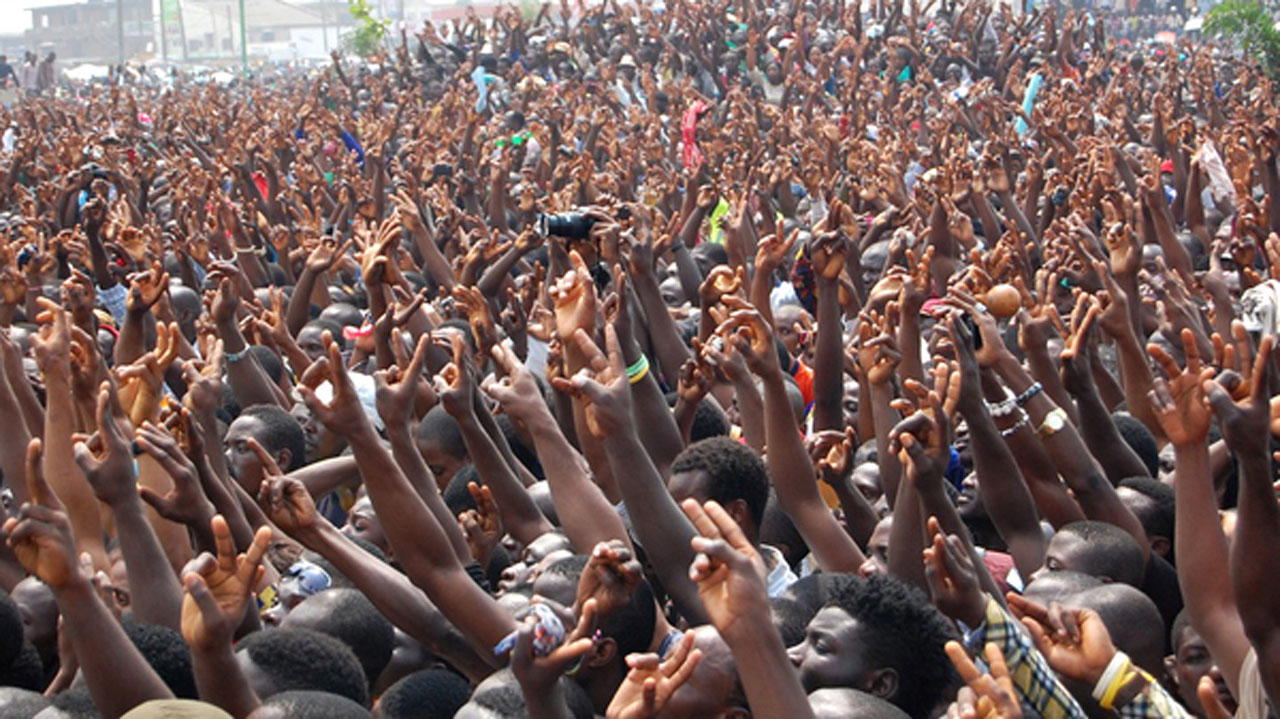
Nigerians
However, a careful reflection on trends in Nigerian social and economic development in recent decades will show that Nigeria has consistently led African countries in the production of popular culture, notably music and films, as well as in imaginative
literature, and the arts.
As an emerging writer of film scripts and screenplays, I am particularly attentive to the decisive role of youths in music, films, literature, and the arts. In contemporary Nigerian society, these important areas are a crucial medium of nation-building and national development.
In these artistic and musical endeavours that are exclusive domains of young people, Nigerian youths are essential to nation-building, national consciousness, and national development.
In our globalised world and rapidly changing societies, music, films, literature, and the arts are essential to the nation-building and national development of any country. With its enormous ethnic, religious, and regional diversity, young Nigerian musicians, artists, and writers are creating strong cultural and social “products” that is helping to unify the country and significantly contribute to its economic, social, and political development.
In the field of music, leading Nigerian pop stars such as Davido, Burna Boy, Tiwa Savage, Yemi Alade, and Wizkid, despite hailing from different parts of the country, have consistently produced entertaining music that Nigerians from diverse cultural, social, and religious backgrounds have firmly embraced as expression of national unity, consciousness, and cohesion. Many of their more popular tunes such “Fall”, “Ye”, “Melo”, and “Johnny” are now formidable platforms for unity across cultures, ethnicities, religions, regions, and generations throughout the country.
These artists and their world-renowned music have also crossed-over to different regions of the world, including Europe, North America, Asia, and the Caribbean, positively projecting Nigeria’s image around the globe, while contributing significantly to the country’s economy.
For the past three decades, the Nigerian film industry — popularly and fondly known as Nollywood — has emerged as one of the world’s leading film industry. The second-largest film industry in the world, this remarkable medium of entertainment, education, national development, and nation-building, is largely dominated by young Nigerians. Young Nigerians like myself write the film scripts, screenplays, produce, direct, manage, act, and collaborate to raise the funds for these films that are watched not only in Nigeria but all around the world.
These countless films engage the collective consciousness and experiences of Nigeria’s diverse society, providing unifying issues and themes that are relatable to millions of people across the country.
By blending the country’s diverse ethnic, regional, social, religious, and cultural experiences into frameworks of reconciliation, accommodation, and peaceful co-existence, Nigerian films such as “The Wedding Party”, “Lionheart”, “The Royal Hisbiscus”, “Half of a Yellow Sun”, “King of Boys”, “Ije”, “Road to Yesterday”, “The Figurine”, and “The Visit”, are not only known for their high entertainment value, but more importantly are crucial medium of nation-building, national consciousness, and national development. As in the case of Nigeria’s popular music, this bold, indefatigable, and innovative film industry has taken the world by storm, contributing billions of naira annually to the Nigerian economy, while positively projecting the country’s image
around the world.
Following in the footsteps of great Nigerian writers such as Chinua Achebe, Wole Soyinka, Buchi Emecheta, Ken Saro-Wiwa, J. P. Clark, and Flora Nwapa, a new generation of brilliant Nigerian writers, notably Chimamanda Adichie, Teju Cole, and Chigozie Obioma, have firmly established themselves as world-class writers in the last decade. Emerging from various regions of the country, this new generation of writers are engaging a variety of distinctively Nigerian experiences that articulates both the possibilities and challenges of nation-building, governance, and national development. Novels such as Adichie’s “Americana”, Cole’s “Everyday is for the Thief”, and Obioma’s “The Fisherman”, imaginatively engage issues that reflect the dynamic social, political, and economic transformation in Nigeria, especially in the late two decades, reflecting tensions between the local and global, tradition and modern, gender and generation, rural and urban.
The contending forces that define the essence of their impressive works reflect the great potential and real challenges for nation-building and national development in a country with over 250 ethnic groups and strong religious divisions. Nevertheless, these brilliant writers have made positive contributions to Nigeria’s image around the world.
In conclusion, despite the political, social, and economic problems typically associated with Nigeria in recent years, the country’s youths have emerged as the essential building blocks and growth engines of nation-building, national consciousness, and national development in Nigeria. Through their innovation, creativity, and hard work in music, film, literature, and the arts, these dynamic young Nigerians are clearly in the forefront of nation-building and national development, despite the enormous problems of development and governance in the country.
Onwuasoanya is a graduate of Geology from Federal University of Technology, Owerri (FUTO).
Amaraonwuasoanya@yahoo.com
Disclaimer
Comments expressed here do not reflect the opinions of Vanguard newspapers or any employee thereof.