
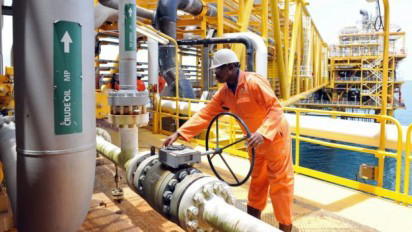
Oil
It has been almost a decade ago when the Organisation of Petroleum Exporting Countries (OPEC) found itself in a position to influence the global price of crude oil. But, after almost two years of collective suffering as the price of the commodity has languished below $50 per barrel, OPEC decided on a bold but dangerous gamble.
Bold, because OPEC members have at last realised that in the long term, low crude oil prices – if they continue for too long – will eventually ruin all of them.
The gamble is dangerous because, once upon a time, OPEC members accounted for over 60 per cent of global oil exports. In those halcyon days of OPEC hegemony, when the organisation sneezed the entire world caught cold. That is no longer the case.
OPEC now accounts for less than forty five percent of oil production and exports and is in no position to determine the ultimate price of crude other than in the short run.
By voluntarily reducing production, OPEC had temporarily driven the price of crude up to $50 per barrel and above. At the same time, by granting Nigeria and Iran the concession not to reduce their own daily production allocation, they have eliminated any controversy that might arise from the most vulnerable members. To that extent Nigeria is a beneficiary of OPEC solidarity.
However, there is a great deal of concern with regard to OPEC’s altruism. Because OPEC is no longer as dominant as it once was, the production cut agreed upon by member-states is not binding on non-members of the cartel who might seize the opportunity to increase their own production to fill the supply gap created by OPEC.
Furthermore, some non-OPEC producers now sidelined by low prices might find in the new price increase an opportunity to resume exporting.
Nigerian economic policy makers are therefore urged to tread carefully in making forecasts regarding what to expect from this favour from our OPEC friends. We urge the Federal Government to take another look at the 2.2 million barrels per day and 42 Dollars per barrel benchmark for the 2017 budget. It appears too optimistic.
Experience in the last two years has taught us that every increase in the price of crude on account of production constraints for any reason had induced American producers to increase production and compete more favourably with OPEC countries.
There is no reason to assume that the latest price incentive created by OPEC will not be seized upon by non-OPEC suppliers who are not party to the agreement to cut production. If they react in a bid to capture a greater share of the global supply market, OPEC and Nigeria might find themselves in a worse position than at present.
Disclaimer
Comments expressed here do not reflect the opinions of Vanguard newspapers or any employee thereof.