
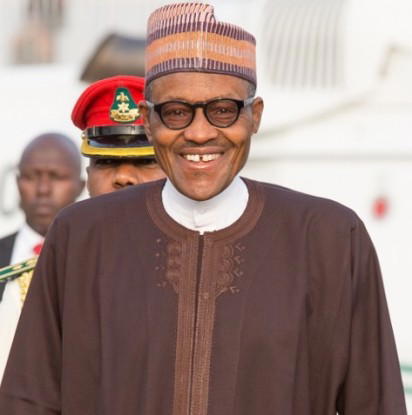
Buhari
..As CBN ignores pressure from petroleum marketers
By Emeka Anaeto, Economy Editor
The nation’s external reserves recorded a modest decline last week, contrary to speculations that Federal Government’s new policy on downstream oil sector liberalization would extend its foreign exchange-related pressures on the reserves.
Gross foreign reserves had opened at USD26.787 billion on Thursday, May 12, a day after the Federal Government announced liberalization of petrol imports, directing importers to the autonomous market for sourcing the required foreign exchange, a decision which immediately sparked off speculative pressures on the parallel market.
At close of business last Thursday, May 19, the reserves was USD26.587 billion.
Though at USD200 million or 0.75 per cent decline, the reserves went down at higher rate week-on-week compared to the preceding week decline of 0.49 per cent, banking industry operators believed there was no transfer of pressure on the reserves as the Central Bank of Nigeria, CBN, maintained its usual trading positions in terms of both volume band and exchange rate.
CBN declines special allocation to marketers
Also, the apex bank was said to have largely ignored pressures for special allocation to petroleum marketers seeking foreign exchange for their imports.
It has been the norm in the official weekly foreign exchange transactions for CBN to direct special allocations to some targeted economically important business units.
But sources in the banking industry told Vanguard that the apex bank’s body language since the announcement, indicated that the development in the petroleum marketing sector was not directly its headache.
Also the petroleum marketers, Vanguard learned, appeared to have accepted the situation and have, instead, focused on lobbying the finance ministry for such concession.
Marketers shun parallel market
The marketers have also shunned the parallel market as the exchange rate in that segment would rubbish the pricing template of the Petroleum Products Pricing Regulatory Agency, PPPRA, which considered the rate at N285/ USD1 whereas the parallel market rate which was N322/ USD1 as at the time of the liberalization announcement had depreciated by almost 13 percent hitting N370/ USD1 within 48 hours, following the announcement.
Naira recovers as parallel market rate lowers
As at last weekend, the average parallel market rate had come down to N346, giving the local currency about 6.5 per cent recovery, as parallel market dealers lamented that the expected demand surge speculated to follow the new petroleum import regime did not happen.
The CBN’s Monetary Policy Committee, MPC, is meeting today and tomorrow and most industry analysts expect a major policy shift especially in response to the emerging challenges posed by the announcements of the Minister of State for Petroleum Resources, Dr. Ibe Kachikwu, which indicatively devalued the Naira contrary to CBN’s position, while recognizing parallel market and putting pressures on the exchange rate in that market segment.
Disclaimer
Comments expressed here do not reflect the opinions of Vanguard newspapers or any employee thereof.