
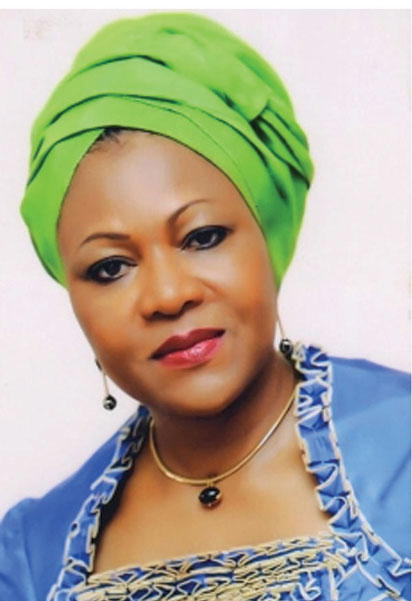
Aisha
By Morenike Taire
Aisha (real name, last name withheld) was born in the Obalende area of Lagos, in a shanty where she lived with her father and mother, both petty traders. She had always wanted to be a medical doctor, so she took her studies seriously, attending a well regarded girls’ school in her neighbourhood. Many of her classmates were from neighbouring Ikoyi, a more affluent neighbourhood than Aisha’s, but she mixed well and competed favourably in her academics.

Aisha
When she was 13, her world fell apart. One day, her mother had her sit down and told her she was to get married. According to her mother, it is a sin to keep a menstruating child under the same roof as her father. It was the day Aisha had always dreaded, yet knew would come.
Though her mother told her she herself had married about the same age, she sympathized with her daughter and was persuaded to prevail on her husband to allow their first daughter at least complete secondary school.
Time rushed by, and Aisha’s father was right there waiting for his pound of flesh when his daughter finished her school leaving examinations. Not only was it time to get married, he had already found a groom- a cousin- who had already paid the bride price of 100,000Naira.
This writer met Aisha at a women leadership training many years ago in Abuja, and found it difficult to reconcile her very slim frame to the steely determination exhibited in the story she was telling. At this point, she was on her way to medical school but the road had been rocky to say the least.
When she refused to get married after long, persuasive talks from her father, he got so angry that he beat her with a bicycle wheel chain. She passed out, and when she came to, she was in a taxi in a strange place. She had on a nightgown and nothing underneath it. She had been defiled, and was on her way to being delivered to her new husband/cousin, after a lavish wedding ceremony.
Aisha had been taken to a neighbouring Africa country where the wedding was to be celebrated. She was eventually set up in the house of an uncle, an affluent man who was well educated and who did everything to persuade Aisha to accept her fate. What offended me, ” she recalled, ” is the fact that his own daughter was 28 and not married. She worked as a journalist and was studying for her Masters degree. There was one law for his daughter and one for me”.
She felt let down, also, by a large, prominent and well funded NGO she had run to when the pressure from her father had become unbearable. They had promptly returned her home, claiming to have counseled her father. After all the tears, she started to think and decided to pretend to go along with her family’s plans.
One day, a Sunday, she asked her uncle for some money with which to get her hair done, as she had to look pretty for the wedding. He had happily obliged, allowing her to go off on her own. She’d gone straight to the UNICEF office in that city, which was closed for the weekend.“ I was ready to sit there until the next day”, she said.
Fortunately, a white female staff had come in that day to get some work done found me. She was outraged by my story and took me home with her”. A diplomatic row had ensued, in which the country of Aisha’s husband challenge the right of the Nigerian government to take their ‘property’. It took the compensation of the bridegroom to retrieve Aisha and return her to Nigeria. The international attention drawn to Aisha’s case ensured she had adequate care.
She was placed in foster care until she finished her Senior Secondary school examinations. Only then was she allowed to visit her family, but not to live with them.“ I bought ankara for my mother. She wept when she saw me and begged me not to be angry with her. Even my day said he was sorry, that if he had known it would end like this he would not have done what he did”
Aisha’s sordid story might have ended well, but it contains all the elements of child sexual abuse in the books: failure of parenting, failure of civil society and failure of the state- the three entities endowed with the power to protect her. It is these elements, combined with sundry cultural and religious factors, that make nonsense of usually well thought out laws.
As the last National Assembly came to a close a fortnight ago, one of the pieces of hurriedly passed legislations was the much awaited one on child molestation, a phenomenon which has crept into our reality. The law prescribes life imprisonment for perpetrators that have been prosecuted, yet fails to deal with the instruments of prosecution and law enforcements on various levels.
It would also be useful to provide a civil window through which victims might be compensated by perpetrators even when criminal angle is not pursued. It is a good thing that the law covers the angle of witness protection, which would have more victims coming out to report cases.
Still, there will be no moving forward when cultural practices exist whereby children can be sexually molested with the full consent of their parents under the guise of marriage as the case was with Aisha. Senator Chris Anyanwu et al have done their bit. The will of the society to ensure the law is enforced will however determine its success.
Disclaimer
Comments expressed here do not reflect the opinions of Vanguard newspapers or any employee thereof.