
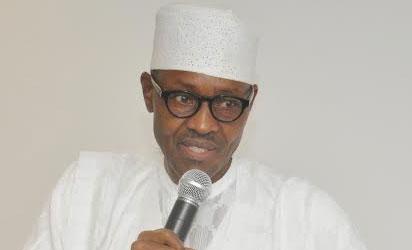
Buhari
By Bisi Lawrence
It is indeed the break of a new dawn, hackneyed as that phrase may begin to sound. But it really must be, especially if it is true that the darkest part of the night precedes the dawn. Several aspects of our economic life, professional life and even moral life may have dipped drastically before now in our history, but never to this level of utter decadence.
One complained about the intermittent power outage which had almost become the normal service, some two weeks ago. But the experience of a total shut-out was unimaginable. It came to us in the Badia metropolitan area of Lagos gradually, like a gentle breeze from the lagoon, last week Thursday while the comprehensive “crippling” lasted.
First, it was the electricity supply—or NEPA, as the neighbourhood still insists on identifying it. That really was nothing. I mean, who does not have a generator? We have three. We happily supply many of our neighbours with clean bore-hole filtered water, and have done so for over a decade.

OFFICIAL PORTRAITS OF BUHARI, OSINBAJO
The number has grown less these days, but the free service continues as long as there is electricity supply to operate the water pump. Whenever NEPA failed, the generators take over. But next, in our season of discontent, there was shortage of fuel.
The price of petrol went up and suddenly soared almost out of reach. But still no problem; we have a niece who runs a petrol station nearby. Even in the direct situation of supply shortage, petrol dealers always have a way of reserving a bit for their relatives and friends—particularly, uncles.
So I called my petrol-dealing niece on the phone. No deal. I sent a message by the SMs and waited for reply. No show. It was now past two o’clock in the afternoon, so I decided to walk the short distance to the petrol station. And there I found my niece and other petrol dealers in a fierce argument with some policemen.
Apparently, some hooligans—criminals, actually—had grouped together to stop the surreptitious sale of petrol throughout all the neighbourhood, except such sales were to them, so they could then proceed to re-sell the product at outrageous prices to members of the public. The dealers held that such a situation would not arise if the police were effective in curtailing the black market practice.
In a scuffle that had ensued earlier, my niece had damaged her phone on the head of one of the hooligans, before the police, who had been standing idly by, then stepped in to stop the fight. Interesting as it was, it was not near to end my problem which, if you remember, is the provision of fuel for the generator to provide power for the water pump.
As the day wore on, I gradually began to realize how powerless my household was—and I mean how really power-less. First, I became heartless myself. I closed the external taps in the compound, and dismissed all water-seeking neighbours. I could not look some of them in the face. I just looked the other way and muttered, “No power, no fuel …” I went to bed early, missing the news on television, and the probable calming effect which some cool music might have had on my frayed nerves.
Of course, I slept very little. I got up in the morning with a very dry throat to the gradual realization of what was unfolding, in the way of massive discomfort, in my life. The fridge had livened up; the water was becoming tepid after almost two days of neglect. The desktop had become inoperable, and the laptop had warned me that, if I did not supply it with adequate power, its battery would “go into hibernation”.
The lack of water soon knocked again at the door of my consciousness: water extends its problems beyond the kitchen—it penetrates into the bathroom. Well, it simply meant one didn’t flush for “everything”. In the meantime, airlines were grumbling about lack of aviation spirit; banks were whispering about diesel supply; telecoms were shrieking out warnings about regular services. And all of that affects me too.
The fuel shortage had so many reasons for its horrible existence which was turning our poor lives into a nightmare in the daytime. The motor unions had a version; the oils suppliers had their story, and the daddy—or is it “mummy” of them all, the Ministry of Petroleum Resources and the NNPC (whose matriarch is the Chairman of OPEC—” Ah! Ah”) all had their song and dance.
What we didn’t have was the product. The roads had become cluttered up with tankers from all over Nigeria, vying for passage to pick up their consignment from one port—Apapa. That confusion should in itself go into the Guinness Book of World Records for the sheer monstrosity of the gridlock it caused. And that affected me too. It was a “mission impossible” trying to get to work.
In short, everybody was in one way or another, confronted by the problems that linked themselves around the twin problems of lack of electricity and fuel supply. But then, there were other disruptions across the land. The Boko Haram were as rampant as ever. Kidnappers were having a field day. The Labour Movement erupted. And without any direct post-election upheaval, as had been predicted in some quarters, there were industrial disputes everywhere. They could have been much worse, in fact, if the aspect of unpaid wages had taken centre stage.
Some sections of the foreign media, like the CNN, BBC, Arise etc, made a meal of the situation, as might have been expected. They began to use the word, “crippled” to describe our plight but, on the whole, we kept an even keel on the home front. However, there is still the pocket of envy and evil-intentions which, up till now, is loaded by elements of ill-will who openly gloated at the disruptions which were caused by those they still support in failure.
Read them, if you need to perceive a dose of pure vitriol dripping out of the mind of mischief-makers. They even taunt Muhammadu Buhari, our President, to show how he thinks he can cure all these ills in one hundred days! That is how imbecilic they get. No one can achieve that in that period, and we all know it.
It is their time to jeer and mock. However, they shall be here and see Boko Haram defeated; normal power established; corruption deflated; the economy renewed; our educational structures strengthened; and a sense of purpose among the people of this country solidified. They have seen the cruel dawn. They shall live to see the glorious days.
A glimpse into the nature of those glorious days. An ardent patriot sent in this reaction to the refusal of President Muhammadu Buhari to allow State Governors to nominate the members of his cabinet for him:
“If it is true that (President Muhammadu) Buhari has turned down ministerial nominees sent in by APC State Governors, that would be a step in the right direction. One of the greatest undoing of our present democratic dispensation is the near absolute political powers – political affairs arrogated to the governors outside the tetters of the Constitution. Having successfully cordoned off their States, they make a power grab at the national level and tried to subject the (past) President to their control. When the Governors sneeze, Senators and Representatives catch a cold, and that should not be the case. To some National Assembly members, who value their political survival, the fear of governors is the beginning of wisdom. “
The writer refused to submit his name, but his views are solid. This is President Buhari’s first working day and may such policies continue to guide his footsteps. The moment the Governors’ Forum was formed, its members found a gathering point to inflate their relevance. Their substantial contribution to our political mores was the strengthening of “godfatherism” which they almost elevated to an element of political party structure. The in-coming governors must dismiss the dark past and emerge, spruce and clean, into the new dawn.
Time out.
Disclaimer
Comments expressed here do not reflect the opinions of Vanguard newspapers or any employee thereof.