
By Ikeddy ISIGUZO, Chairman, Editorial Board
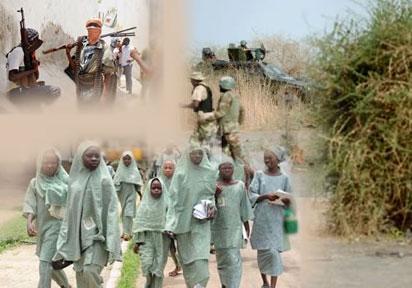
JUST a year ago, nobody knew Chibok. A bit of exaggeration there – not many knew Chibok, and, definitely, not the millions that do today, within and outside Nigeria. Chibok, a local government area in Borno State, which shares the name with its headquarters, has been in the news for a year, and counting, all for the wrong reasons. Online indexes on Chibok grew from nothing to more than 3.4 million and growing daily, but Chibok is nothing without its girls.

The incident and the unprecedented silence of governments for weeks globalised Chibok. The world discovered Chibok and it has been a prominent point in converging global interests that coalesced as “Bring Back Our Girls”. Chibok is the latest “in word” in international advocacy ricocheting through various power centres to the United Nations. Was the global supervening just to ensure we “do not forget?”
Where are the girls? How are they faring? How is Chibok without its girls, its daughters, its future mothers? Where would Chibok’s young men find “educated” Chibok wives, if hundreds disappeared in one night? How has the incident affected school attendance for girls in Chibok and other threatened areas? Who cares, not by words, but by getting our girls back home and to school? What would recovery mean for residents of Chibok? What happens to Chibok if the girls return, and if they do not return?
Why have the girls not been rescued? Who would rescue the girls? Would they be rescued? Is there something the international community (an increasingly meaningless tag) can do about the plight of the girls? Was there a global conspiracy against Nigeria over this incident? What should have been done?
Hindsight is useful, but the morbidity of the illuminations it provides is its biggest limitation. Some say quicker government actions could have rescued the girls. Others blame inadequate security at the school and wondered why the girls were taking their examinations in Chibok, and not Maiduguri, which too is sometimes under attack.
Those who expected the international community to rescue the girls when it prohibited sale of arms to Nigeria to fight the terrorists, when it had vowed to punish Nigeria for its anti-gay laws, do not understand the indifference with which the world tends to treat Nigeria. A poor realisation of our global standing, before those who promote our setbacks to deafening dings, bears importance for how we manage our country.
As days turned to months, and months to a year, are we not mistaken if we are looking for our girls? They have changed. They are no longer the school girls taken from Chibok. They could have become mothers – anything but “our girls”, yet it is important that we rescue them.
Chibok, in its infamy, frames Nigeria. The campaign that did not “forget the girls” ignored their rescue. The campaign is a global concern without care. It is a reminder that the girls are ours, but “our girls” for as long as Chibok provides headlines for the wrong reasons. It behoves Nigeria to bring our girls back and keep Chibok on the world map for something else, something noble.
Disclaimer
Comments expressed here do not reflect the opinions of Vanguard newspapers or any employee thereof.