
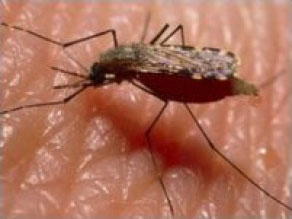
malaria
A team of scientists at Seattle BioMed is making progress on developing a genetically engineered version of the malaria parasite Plasmodium falciparum that could act as a vaccine.
The logic behind this approach is rooted in the origins of vaccines, which trace to 1,000 C.E., when the Chinese used scabs and pus from smallpox sufferers to infect healthy people.
The human immune system is based on its ability to recognize pathogens. It has a strong intrinsic ability to recognise intruders and attack them, but the multitude of potential invaders—bacteria, viruses, parasites—have ways to circumvent our defenses. Intruders get in, get established and we get sick while the immune system mounts a proper defense.
Malaria is a single-celled parasite, not a bacterium or a virus, but the immune system fights it the same way it fights everything else. If we could train the immune system to recognize malaria and take it out before it gets established in the body, we could confer immunity. We could have a vaccine for malaria.
Unfortunately, two things have made efforts to develop a malaria vaccine largely fruitless so far. Plasmodium falciparum is the most deadly species, and the focus of the BioMed team’s efforts.
Second, this is an extremely cunning and stubborn parasite. Medicines that effectively kill the parasite are few (you can count them on one hand) and many of them come with nasty side-effects. The parasite develops resistance quickly, further limiting the selection of anti-malarial drugs usable in any given location.
The BioMed team’s plan is to intervene before the cycle can get started in the first place. Any incipient malaria infection has a brief window of vulnerability, right after a mosquito has delivered the parasite to the blood stream but before the parasite has taken refuge in red blood cells and begun to reproduce. The BioMed team would like that Plasmodium vanguard to find itself in a bloodstream already rife with antigens waiting to tag the parasite for termination.
Disclaimer
Comments expressed here do not reflect the opinions of Vanguard newspapers or any employee thereof.