
By JAPHET ALAKAM
Poetry is one area that many people do not understand very well because it embraces the accessible as well as the inaccessible. But which ever way people see it, the mere fact that a poem is unclear does not disqualify it from being a poem as long as it possess all the poetic devices like rhythm, profundity, imagery etc. This is what many will see as they go through the refreshingly rich collection of poems by Abike Muyiwa titled “Uncut”.
Abike Muyiwa, a media and public relations specialist cum child rights advocate who has to her credit three books, Dear JB (a book about John Brown, the abolitionist), What is wrong with us? and Nuggets about mature singles in her determined bid to contribute to the reading culture in the country came out with her latest addition titled Uncut, a poetry collection that thematically span a wide spectrum of her thoughts and experiences.
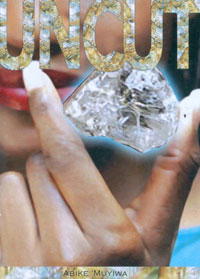
Uncut, the 132 pages book published by Cares Global Network in 2010, is a book straight from the author’s heart. It contains 100 short poems that embodies a wide range of topics ranging from thought provoking, inspirational to humourous topics that will elicit every reader no matter his/her age.
It is drama, hymn, lyric, song, rhythm, melody, satire, soliloquy. Written in very simple language, the author in the collection masterfully selected the poems from a wide range of her personal thoughts , experiences in life and other raw imagery from the mind .
Beginning with a poem titled Choice, the author carefully transverses all aspects of life from one issue to the other with the aim of making a statement in the life of many. For many who are too occupied with the issues of life, Abike in this collection admirably addresses a wide range of issues that make people relax and forget most of the stressful moments.
In the poems, Abike has a word for almost every situations for example in the pieces like Okada, she has a word for everyday hustle; Location reminds the reader that a dollar bill is a dollar bill, whether you find it in the church or in a bar; Husband throws up wishes gaainst realities. As for advice, Abike dishes out a bunch of them, including Al ‘apa ma sise which admonishes the lazy to go to work, and Gbeborun which casts a disapproving glance at gossip-peddling.
There are also other pieces like BufJet, Solution, Leadership, Mr. Right and Fashion, in these poems, the author answers some of the questions people often ask and offers advice to parents on how to handle their wards. She did not end it there, she also goes on to give her unique definition where she sketches with a playful take on words.
In other various poems, the author illustrates her dept to which her mind was stirred as a result of certain issues, they include: Right There, Oyingbo market, Poverty, Abortion, Globalisation, I did it etc.
The poem shows the writer’s ability to use short everyday language and phrases, but yet employ them to powerful effects. As a first timer, the author deserves commendation for assembling up to 100 poems but one noticeable flaw is that most of the poems in the collection are very short that somehow takes away the meaning. The author would have arranged it in a such a way that will make readers enjoy it.
But that notwithstanding, the book is a new addition to the growing foray into literary works by women in this country and is commendable.
Disclaimer
Comments expressed here do not reflect the opinions of Vanguard newspapers or any employee thereof.