By Chioma Okoye
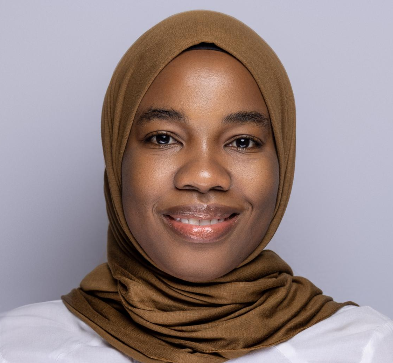
Rare diseases may individually affect relatively small numbers of people, but collectively they represent a significant global health burden, Nigerian scientist Dr Anu Balogun has said, calling for greater attention to neglected genetic and metabolic conditions.
Balogun, a postdoctoral fellow at UPMC Children’s Hospital of Pittsburgh, said greater investment in research, diagnosis and specialised care was needed to improve outcomes for people living with rare diseases, particularly in countries such as Nigeria.
Nigeria faces significant challenges in addressing rare diseases, as healthcare priorities have traditionally focused on high-burden conditions such as malaria, tuberculosis and HIV/AIDS, as well as recurring infectious disease outbreaks including Lassa fever.
The situation has contributed to limited policy attention, research investment and specialised services for many rare genetic and metabolic disorders.
A global assessment by Rare Diseases International, RDI, has identified constraints around rare disease information, healthcare resources and specialist services in Nigeria.
For affected families, the challenges include limited awareness of rare conditions among healthcare professionals, inadequate diagnostic facilities, the high cost of specialised testing and the concentration of specialist services in a small number of tertiary institutions.
Access to emotional and psychological support for affected families is also limited, with some families resorting to online fundraising and community support to finance medical care.
The scale of the challenge is underscored by estimates that more than 300 million people globally are living with one of more than 7,000 recognised rare diseases.
Research published by Pedro Andreu and colleagues in The Burden of Rare Diseases: An Economic Evaluation estimated the global societal burden of rare diseases at between $7.2 trillion and $8.6 trillion annually.
The study also reported that the average cost of caring for a person living with a rare disease could be substantially higher than that associated with common chronic conditions such as diabetes and arthritis.
For Nigeria, the financial burden is particularly significant because of the country’s reliance on out-of-pocket healthcare payments.
Although Nigeria does not have a comprehensive centralised registry capable of determining the total national economic burden of all rare diseases, individual studies illustrate the financial pressure on patients and families.
Research involving sickle cell disease patients at the University of Nigeria Teaching Hospital, for instance, found a median monthly cost of about N76,711 per patient, with direct outpatient expenses accounting for nearly 88 per cent of reported expenditure.
Although sickle cell disease is not generally classified as a rare disease globally, the study illustrates the financial pressure genetic disorders can place on Nigerian households, particularly where health insurance and other financial protection mechanisms are limited.
Research into rare diseases
Against this backdrop, Nigerian scientists are exploring new approaches to diagnosing and treating rare genetic and metabolic disorders and understanding their underlying biology.
Balogun, whose research focuses on liver pathology and rare genetic diseases, has received recognition from professional organisations including the American Porphyria Foundation and the Foundation for Prader-Willi Research.
Her research includes investigations into previously unexplored muscle and liver abnormalities in a preclinical model of Prader-Willi syndrome, as well as efforts to develop small-molecule therapies for inborn errors of metabolism.
Earlier in her career, she worked on therapeutic approaches for porphyria, a group of rare disorders associated with abnormalities in heme production.
Depending on the type, porphyria can cause serious liver complications, neurological symptoms and extreme sensitivity to light.
Explaining the biological processes involved in porphyria, Balogun likened the process to a traffic jam.
“The enzymes are traffic lights, and the porphyrins are the cars. When one light breaks because of a genetic mutation, traffic begins to pile up until the entire pathway becomes completely blocked,” she explained.
Her research explored the use of a small-molecule inhibitor to reduce the production of toxic porphyrins while activating the cell’s natural recycling mechanisms.
The approach was designed to help remove toxic cellular accumulation and reduce associated liver injury.
Beyond individual treatments, Balogun believes genetic diversity could play an important role in improving understanding of rare diseases and developing precision medicine.
She sees the genetic diversity of Nigerian populations as a potentially valuable research resource that could help scientists identify genetic variations, disease mechanisms and differences in treatment responses that may be underrepresented in existing datasets.
Greater representation of African populations in genetic research could also help address gaps in existing medical databases and improve understanding of how genetic factors influence disease.
The growing work of scientists such as Balogun highlights the need for greater investment in rare disease research, diagnostic capacity and specialist healthcare services.
For Nigeria, strengthening awareness among healthcare professionals, expanding access to specialised testing, improving research infrastructure and increasing representation of African populations in genetic studies could contribute to better outcomes for patients.
Rare diseases may be individually uncommon, but collectively they affect millions of people worldwide.
For families dealing with unexplained genetic or metabolic conditions, greater recognition can have practical consequences — from obtaining an accurate diagnosis to accessing appropriate treatment and specialist support.
Disclaimer
Comments expressed here do not reflect the opinions of Vanguard newspapers or any employee thereof.