By Favour Ulebor, Abuja
In a bid to address growing climate challenges and unlock new sources of climate finance for member states, the Economic Community of West African States, ECOWAS, on Tuesday commenced the validation of a regional framework for the establishment of a carbon market platform in West Africa.
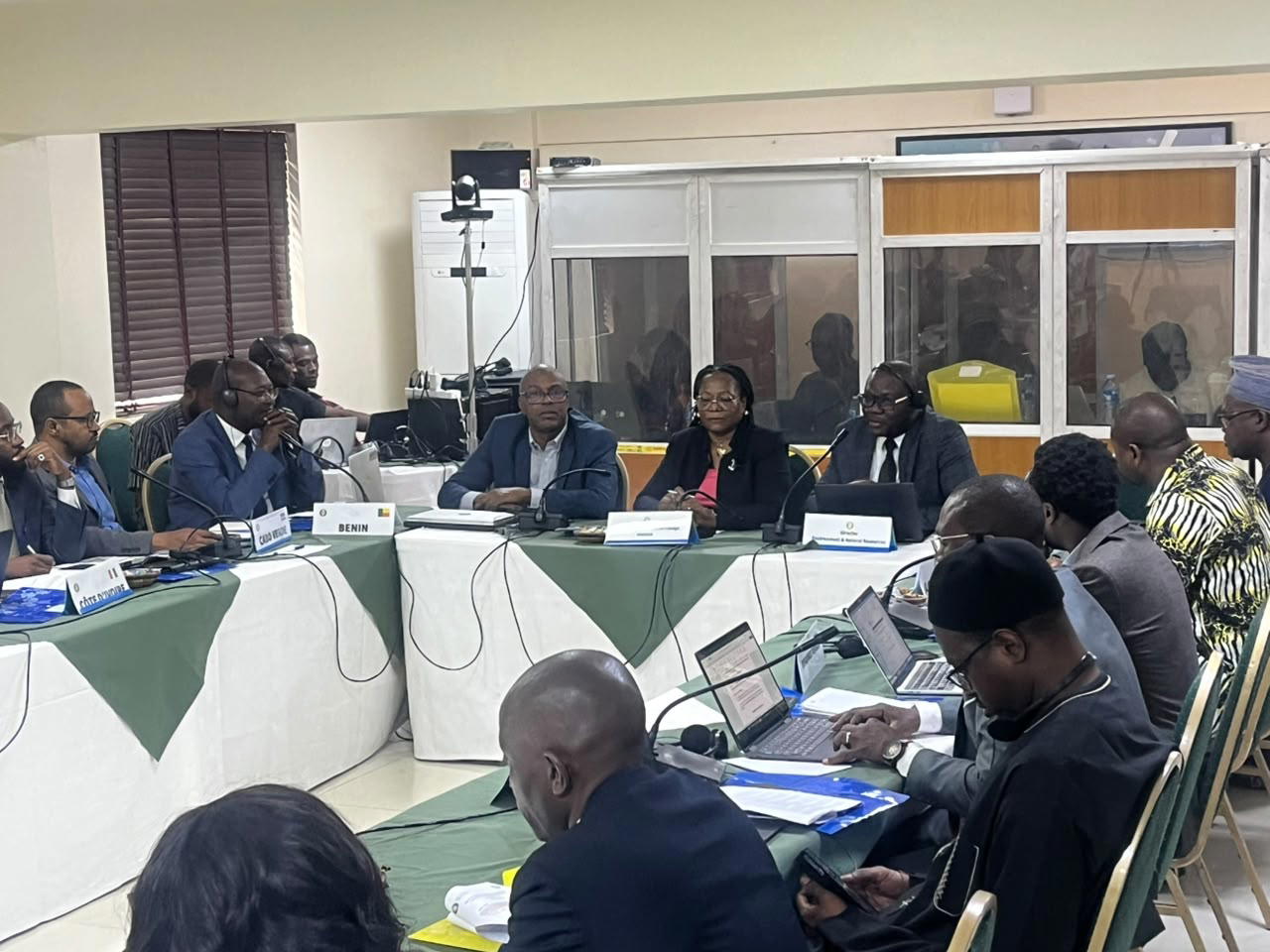
The initiative was unveiled on Tuesday in Abuja during the opening of a three-day Regional Workshop to Validate the Framework for the Establishment of a Carbon Market Platform in West Africa, bringing together representatives of ECOWAS member states, regional and international organisations, development partners and climate experts.
The move comes as West Africa faces an estimated $294 billion climate financing requirement identified under the ECOWAS Regional Strategy for Access to and Mobilisation of Climate Finance, highlighting the urgent need for innovative funding mechanisms to support climate action across the region.
Speaking at the event, the Minister of Environment, Balarabe Abbas Lawal, represented by the Director of Climate Change, Mrs Iniagbon Abiola-Awe, said the gathering was taking place at a defining moment for the region as climate change continues to threaten economies, ecosystems, food security, livelihoods and the well-being of citizens across West Africa.
According to him, although West Africa contributes only a small fraction of global greenhouse gas emissions, it remains among the regions most vulnerable to climate impacts, including extreme weather conditions, flooding, desertification, land degradation, biodiversity loss and the displacement of communities.
He said, “Carbon markets have emerged globally as an important mechanism for mobilizing climate finance. They also incentivize emissions reductions, promote sustainable development, and unlock new opportunities for us within the region. The initiative by the ECOWAS Commission to establish a regional carbon market platform is therefore both timely and strategic.”
Balarabe noted that the initiative reflects the collective commitment of member states to implementing the Paris Agreement, advancing the ECOWAS Regional Climate Strategy towards Vision 2050 and contributing to the aspirations of the African Union Agenda 2063.
He added that consultations previously held in Abidjan and Accra had laid a strong foundation for the validation exercise, while the draft framework before stakeholders represented the outcome of extensive technical work and engagement.
The Minister said Nigeria strongly believes that a well-designed regional carbon market would help member states attract climate investments, support nature-based solutions, enhance private sector participation and create green jobs while ensuring environmental integrity and equitable benefit-sharing.
He disclosed that Nigeria had already launched a carbon market framework and was developing its registry, stressing that the proposed regional platform would support information sharing, peer learning and greater visibility of the region’s carbon market potential.
Also speaking, the ECOWAS Commissioner for Economic Affairs and Agriculture, Dr Kalilou Sylla, represented by the Director for Environment and Natural Resources, Mr Christophe Deguenon, said climate change remains one of the most pressing challenges confronting West Africa.
He noted that according to the Intergovernmental Panel on Climate Change, temperatures in the region could rise by between 1.5 and 3 degrees Celsius by 2050, while the World Bank estimates that nearly 32 million people could be forced into internal displacement due to climate impacts.
Deguenon said the ECOWAS Regional Strategy for Access to and Mobilisation of Climate Finance adopted in 2022 estimated West Africa’s financing needs at 294 billion dollars, adding that the region’s climate finance requirements had increased further following the submission of updated Nationally Determined Contributions by member states.
He said West Africa possesses significant potential to generate high-integrity environmental and social carbon credits through its more than 350 million hectares of agricultural land, major forest blocks, mangroves and vast opportunities for restoring degraded landscapes.
Despite this potential, he noted that countries in the region remain underrepresented in international carbon markets due to challenges relating to regulatory frameworks, technical capacities, tracking systems and certification mechanisms.
According to him, ECOWAS initiated the regional process in 2024 to develop a harmonised framework for a carbon market platform based on transparency, environmental integrity, inclusive governance and recognition of member states’ climate efforts.
The workshop is expected to review and validate the regional framework, incorporate technical, institutional and legal recommendations, approve governance arrangements and adopt a roadmap for the operationalisation of the carbon market platform across the ECOWAS region.
Disclaimer
Comments expressed here do not reflect the opinions of Vanguard newspapers or any employee thereof.